
30 years of turning community practice into lasting change
DRRA develops, practices, researches and transfers adaptive models that strengthen communities, influence civic service systems and build local institutions, so that persons with disabilities and destitute people can claim their rights and have equal access to services.
Rights & Inclusion since 1996.
DRRA is a non-profit organisation working since 1996 to advance the rights, inclusion and dignity of marginalized people, persons with disabilities, their families and communities. Beyond services, DRRA develops, researches, and transfers adaptive models that strengthen communities, influence civic service systems and build local institutions to sustain inclusive development.
DRRA works for rights and inclusion in health, rehabilitation, education, skills development and livelihoods, policy advocacy, climate resilience and humanitarian action along with action research.
DRRA is registered with the Department of Social Services (DSS) (1996), the NGO Affairs Bureau of Bangladesh (1997) and the Microcredit Regulatory Authority (MRA) (2012), and has held Special Consultative Status with the United Nations Economic and Social Council (UN ECOSOC) since 2021. The organisation has received two national awards from the Government of Bangladesh, three Zero Project awards for its adaptive models on inclusive education, livelihood and health, along with more national awards.
Our full story →1996–2026: from community service to inclusive systems strengthening
Four phases of DRRA’s work. The full timeline is on our About page.
Endorsed community-based services for persons with disabilities and marginalized people and the first steps in policy and inclusive education.
DRRA was founded in 1996 to serve persons with disabilities and destitute families in Bangladesh. We started community-based rehabilitation together with primary health care, inclusive education, disaster preparedness and response. At the same time, we worked to influence disability policy reform and began promoting and practicing inclusion.
Journey with own campuses, accessible communities, voice for rights and collaboration with government.
DRRA established its own campuses at Satkhira and Manikganj, with residential training facilities and a safe home for boys with neurodevelopmental disabilities (NDD) at Manikganj. During this phase, we strengthened local government to deliver inclusive services and helped communities adapt to climate change and disasters. We also made civic places and educational institutes accessible, creating an enabling environment for persons with disabilities in the community.
DRRA was part of the process of formulating the Rights and Protection of Persons with Disabilities Act 2013. It also led a national network of CBOs and OPDs to make civic service and community accessible and affordable along with youth and parent forums in place to strengthen the voice for inclusion and localisation. Innovations started with medical rehabilitation on wheels (Hope for Life), digitally registering more than 50,000 unidentified children and persons with disabilities in hard-to-reach areas of Bangladesh. Ability Center started producing assistive devices by engaging youth with NDDs. Supported the Sundory honey and UDDOG enterprises initiated by women with disabilities.
DRRA started inclusive microfinance with Microcredit Regulatory Authority (MRA) as a licensed organization to include persons with disabilities and climate-vulnerable communities in the financial system with appropriate adaptation of traditional microfinance.
A significant move was initiated in collaboration with the Ministry of Health and Family Welfare to make the government health system inclusive, accessible and affordable.
Working with government to mainstream inclusive health and rehabilitation, build an inclusive economy and put policy into practice.
The journey from Self-Help Group (SHG) to Organisations of Persons with Disabilities (OPD) takes time and it needs to be believed that “Nothing about us without us”. DRRA endorses the fact that community and national level leadership should be led by the OPDs.
DRRA supports SHG to OPD graduation journey by strengthening their functional level development of organizational capacity to practice rights-based advocacy, community-led monitoring, and government & social accountability. It’s a unique approach of DRRA which focuses on enabling SHG/OPDs as well as persons with disabilities’ full participation in decision making processes by identifying service gaps, raising concerns and advocating for more inclusive and accountable public services as a joint initiative of DRRA and OPDs. They work as a pressure group with local government as well as national level to ensure all government service and budget are disability inclusive.
The strategies adopted for OPD sustainability are strengthening capacity on disability rights awareness & advocacy, networking, resource mobilization, group savings and south-south collaboration. Along with capacity, a lot of attention is given to OPD compliance and social accountability of their engagement. As a result, OPDs are now capable of project & financial management, monitoring, resource mobilization, fundraising, institutional development and exit planning for organizational sustainability. Documenting lessons learned, review and co-creation of an adaptive localization model for a sustainable inclusive community is also part of this process.
DRRA generated evidence through action research and translated it into civic systems through government partnerships and contributions to the Rehabilitation Act 2018. It supported the development of disability-inclusive policies, guidelines, screening and referral protocols, health information systems, insurance and family planning standards. DRRA also strengthened government healthcare facilities through equipment, tools and capacity-building of health professionals at different levels.
DRRA formed the Inclusive Health Alliance with national and international NGOs working to improve the living standards of persons with disabilities in Bangladesh, to advocate with the Ministry of Health and Family Welfare to close gaps in health policy and services in the mainstream health system. DRRA is represented in LINC-Asia, holds member and lead roles in national and international networks, sits on government bodies including the NDD Trust, IPNA, the National Steering Committee, NCDC and BNFE, and partners with business and universities at home and abroad.
During the COVID-19 pandemic, DRRA provided emergency assistance to families of children with disabilities to cope with the health and economic impacts. Support included food assistance, financial aid and in-kind support, including personal protective equipment (PPE). Besides this, online health and rehabilitation services were also provided through our digital platform Re-Health. DRRA prioritised vulnerable families facing increased hardship and barriers to accessing essential services during lockdowns and movement restrictions.
DRRA expanded Community-Based Rehabilitation (CBR) program in climate-vulnerable urban slums of Dhaka, providing support to children with disabilities and their families. The programme combines special education and early intervention, home-based care, entrepreneurship development, food security and green energy-based hydroponics to build resilience and promote inclusive development.
Malancha is an inclusive fashion brand of DRRA working towards inclusive economic empowerment where disability inclusion, climate resilience and entrepreneurship come together to create opportunities for sustainable livelihoods in both urban and rural communities. The brand engages young people with disabilities, women and other marginalized groups, transforming their capacities into economic opportunities by connecting local resources, enhancing production capacities and market linkage.
Bangladesh remains highly vulnerable to climate change, with frequent disasters threatening the lives and livelihoods of marginalised communities, particularly persons with disabilities and their families. DRRA promotes disability-inclusive climate resilience by strengthening their knowledge and capacity for climate adaptation and providing cash and in-kind assistance to prepare for disasters, cope with their impacts and recover from losses.
DRRA developed different accessible digital platforms to expand inclusive services across Bangladesh. Re-Health connects persons with disabilities and individuals at risk of disability to essential services from anywhere in the country. Ashar Alo serves as a directory of persons with disabilities, helping to connect potential job-seekers with employment opportunities. Shokkhom provides caregivers of children with disabilities and young persons with disabilities with practical guidance through video-based learning modules and instructional resources on child management and SRHR. Additional modules for teachers and Union Parishads are being developed to strengthen inclusive service delivery at the community level.
Skills, jobs and enterprise, delivered through stronger public systems.
Building on three decades of experience, DRRA is working to strengthen inclusive public systems, scale evidence-based models, advance climate justice and disability-inclusive development, and promote the sustainable implementation of disability rights and policies. Its next focus is standardised skill development and employment for persons with disabilities, inclusive fashion, AI automation and developing entrepreneurship.
Four sectors shaping our next decade
Climate, technology, localisation and youth livelihoods, each building on work DRRA has already delivered.
Six pathways to an inclusive Bangladesh
Every programme follows the same method: develop a practical model with the community, test it, document it, and transfer it to the institutions that will sustain it.
The impact dashboard
Sometimes, numbers do not matter
Every life, every right, every possibility. These accounts come from DRRA’s published reports and are shared with care for privacy.
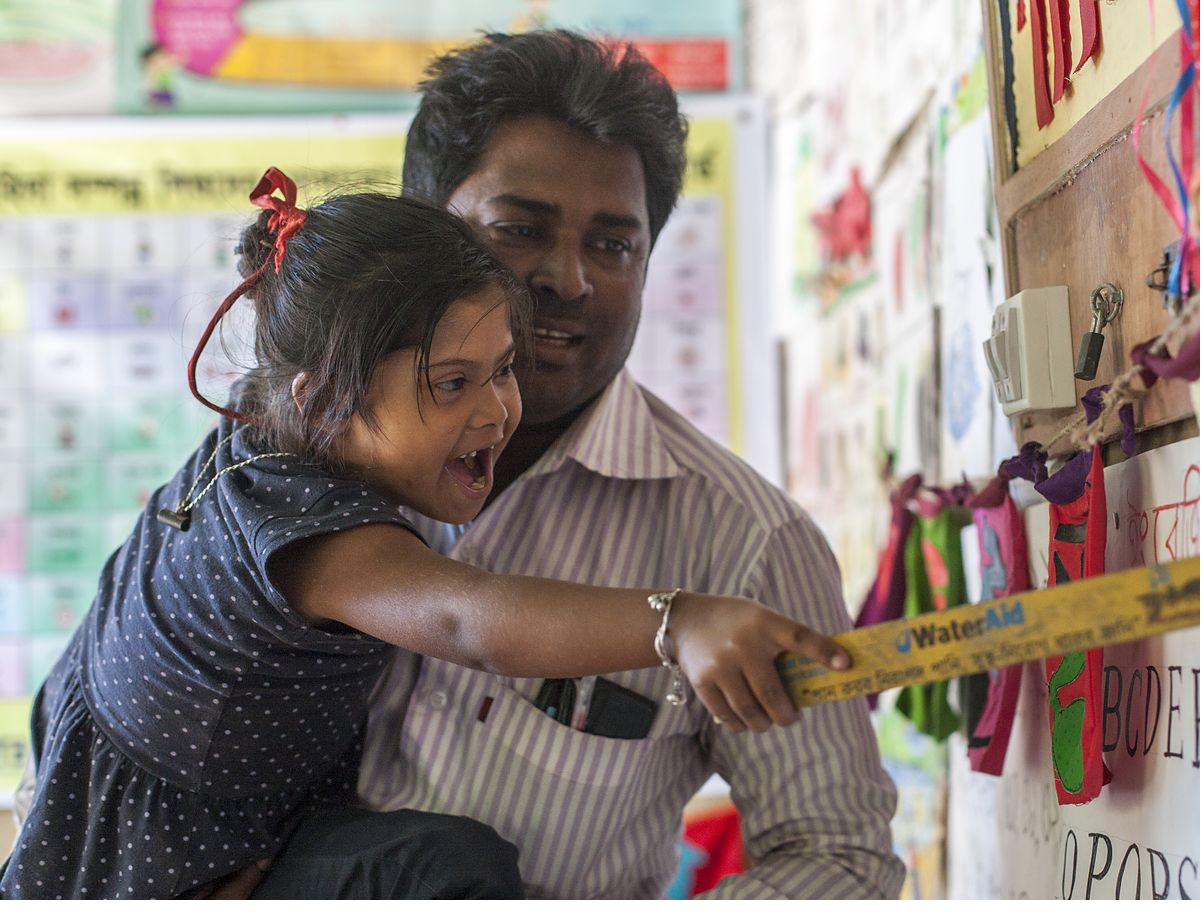
Latest from our Facebook page
Every photo, update and event DRRA posts on Facebook appears here as it happens.
Follow us on Facebook →New posts on DRRA’s Facebook page appear here automatically. Can’t see the posts? Facebook shows the feed only to visitors who are logged in to Facebook — open the page on Facebook.
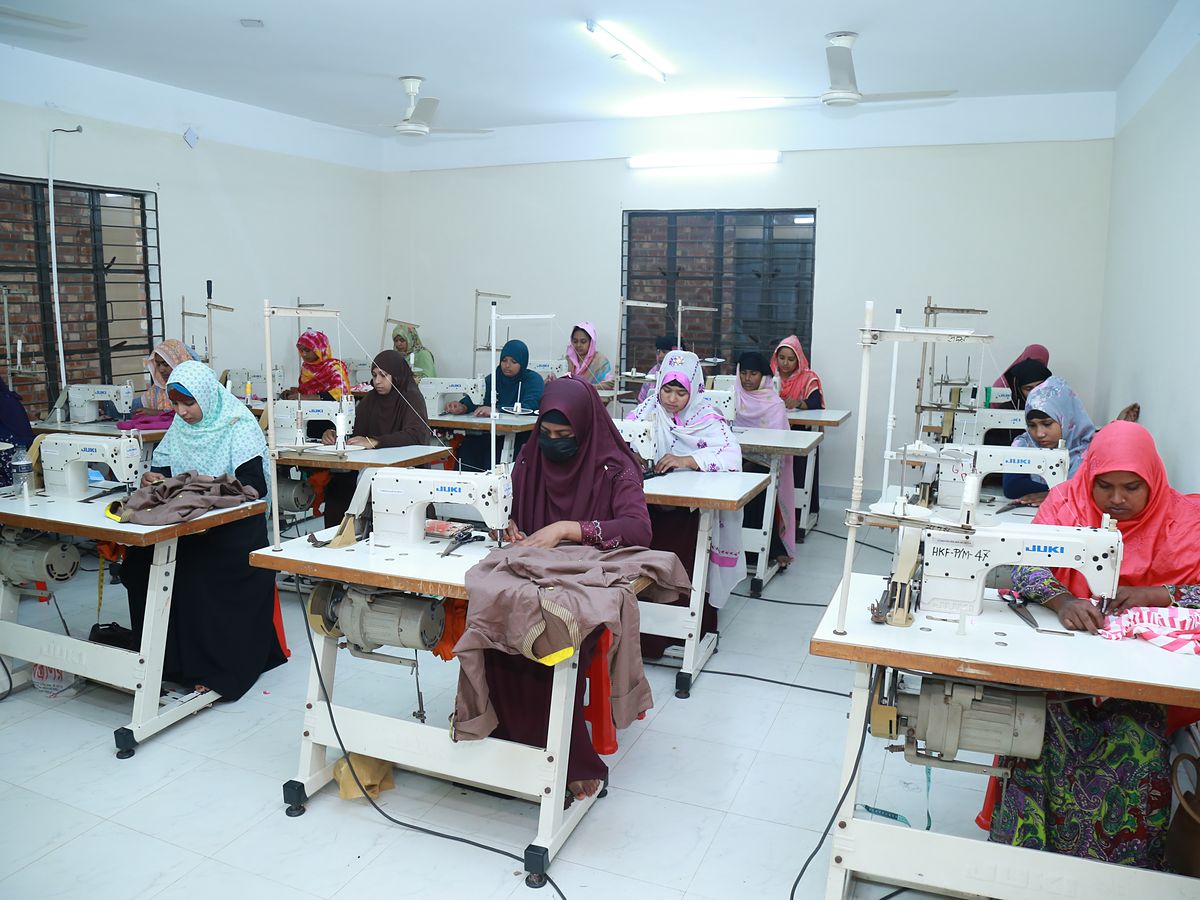
Goods from DRRA’s livelihood programmes
Clothing and accessories made by trainees and producers in DRRA’s livelihood programmes. Buy for yourself, give as a gift, or donate a piece to a family we serve.
Shop →30 years of partnership with government, donors and communities
Become a PartnerYour employees' donations, matched
Fund a rehabilitation centre, a school or a training cohort for a set period
Stay close to the work.
One email a month. Real stories, real numbers, no spam.