 1 People
It begins with a person and a family
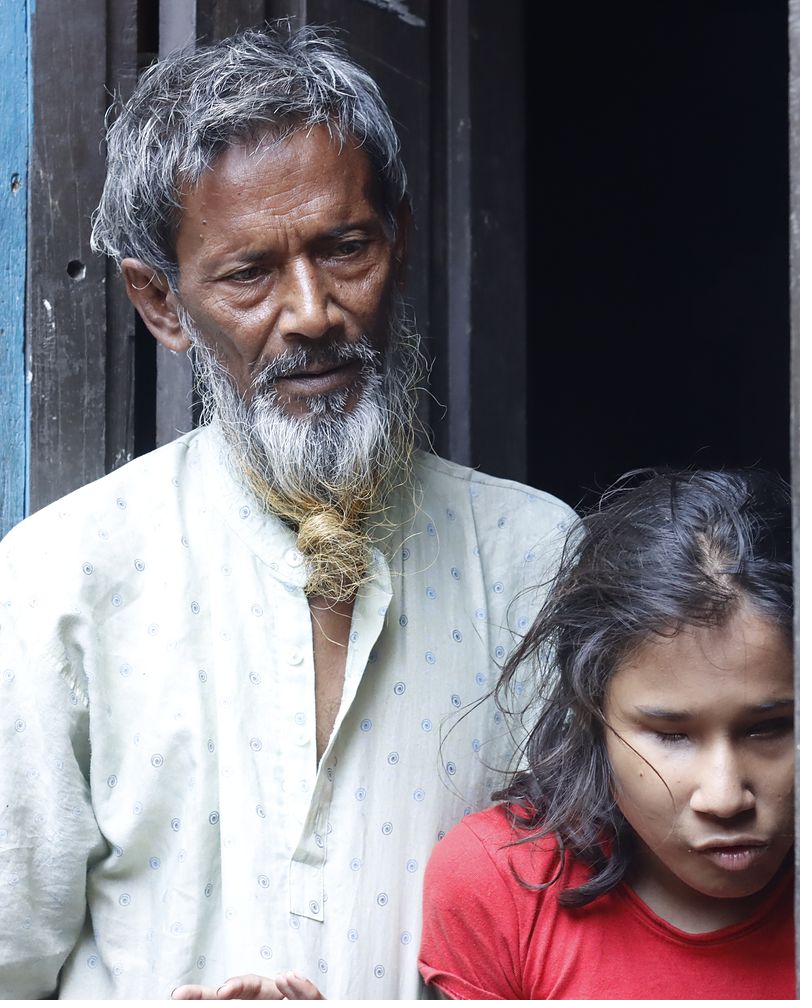
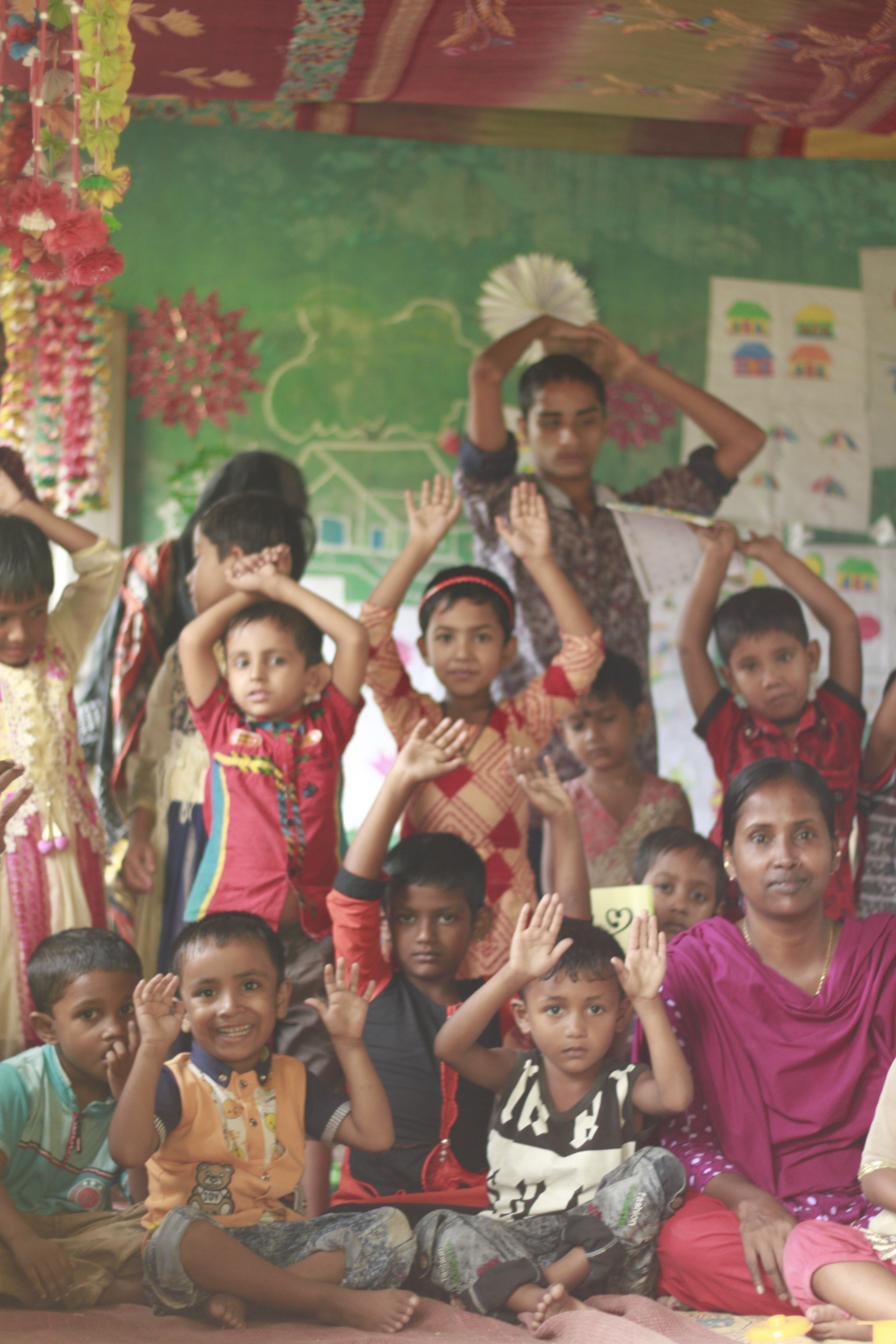
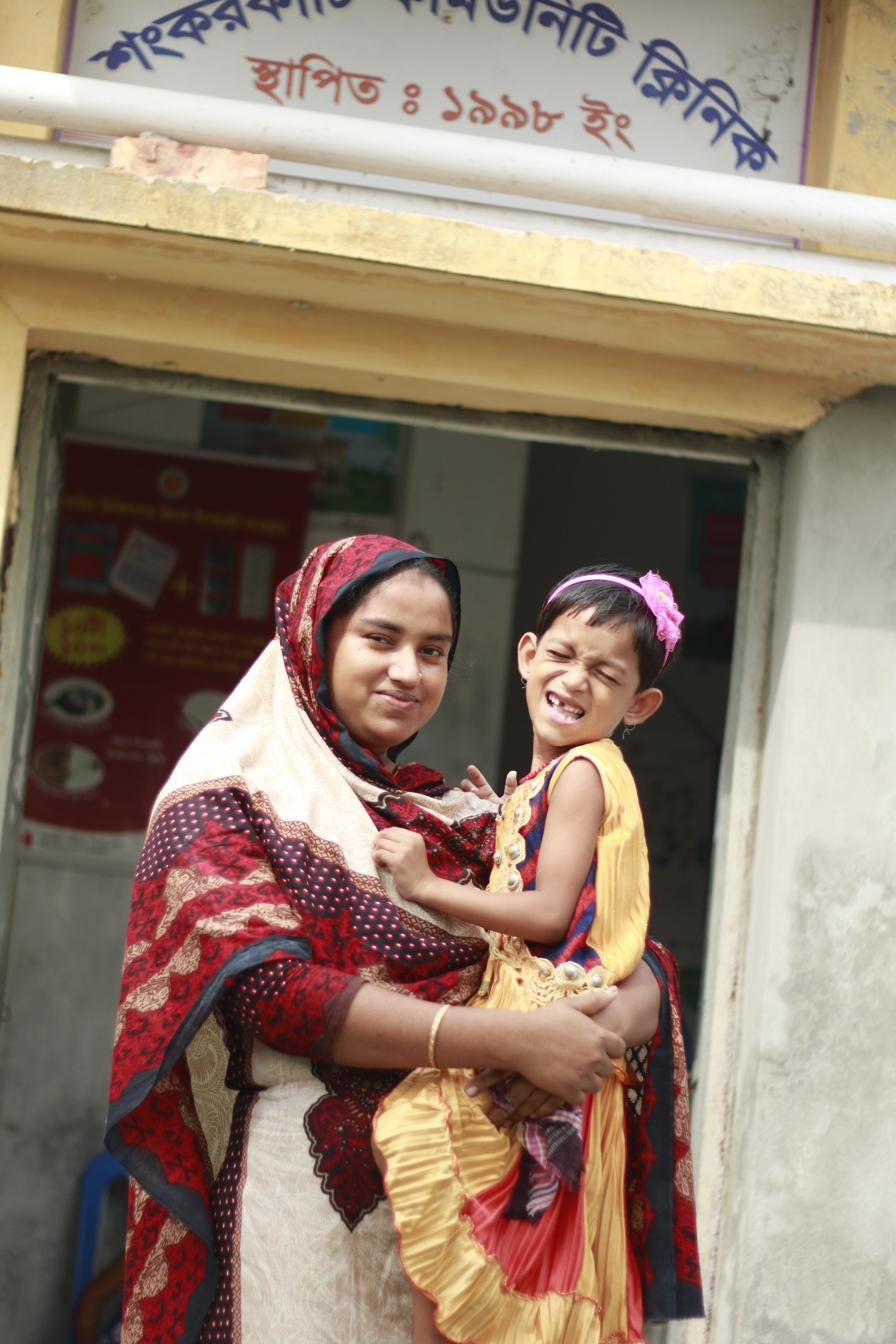
Community workers, self-help groups and mobile teams identify children and adults with disabilities. Many have never been assessed before.
What three decades of DRRA’s work have achieved: for people and families, in communities, and in the public systems that serve them.
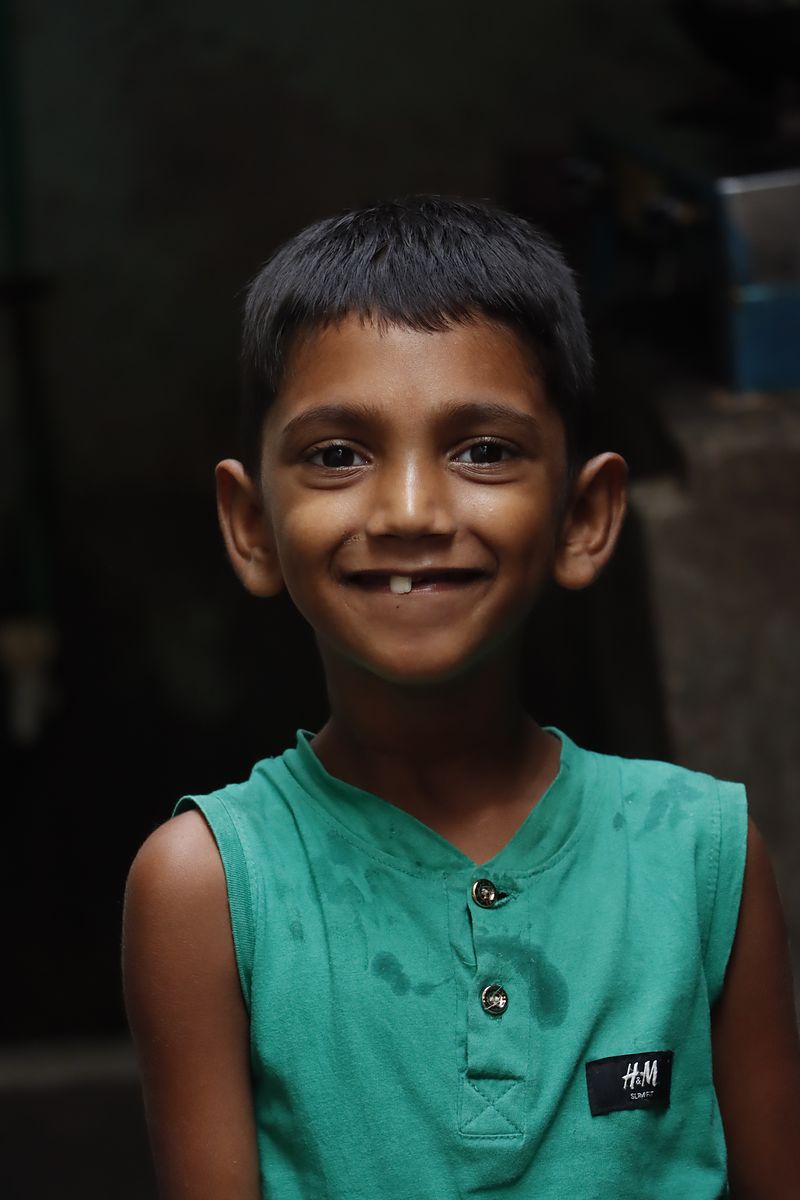
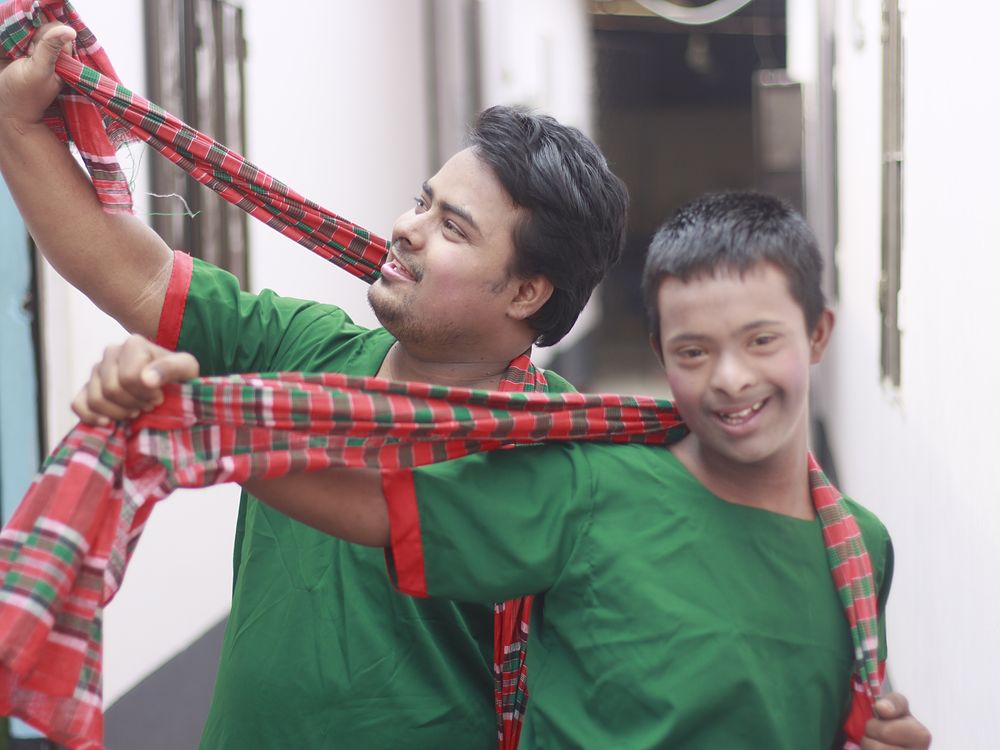
DRRA’s reach since 1996, directly and through local partner organisations.
The same pathway runs through every DRRA programme: find the person, act close to home, open doors that were closed, and stay until the change lasts.
1 PeopleCommunity workers, self-help groups and mobile teams identify children and adults with disabilities. Many have never been assessed before.
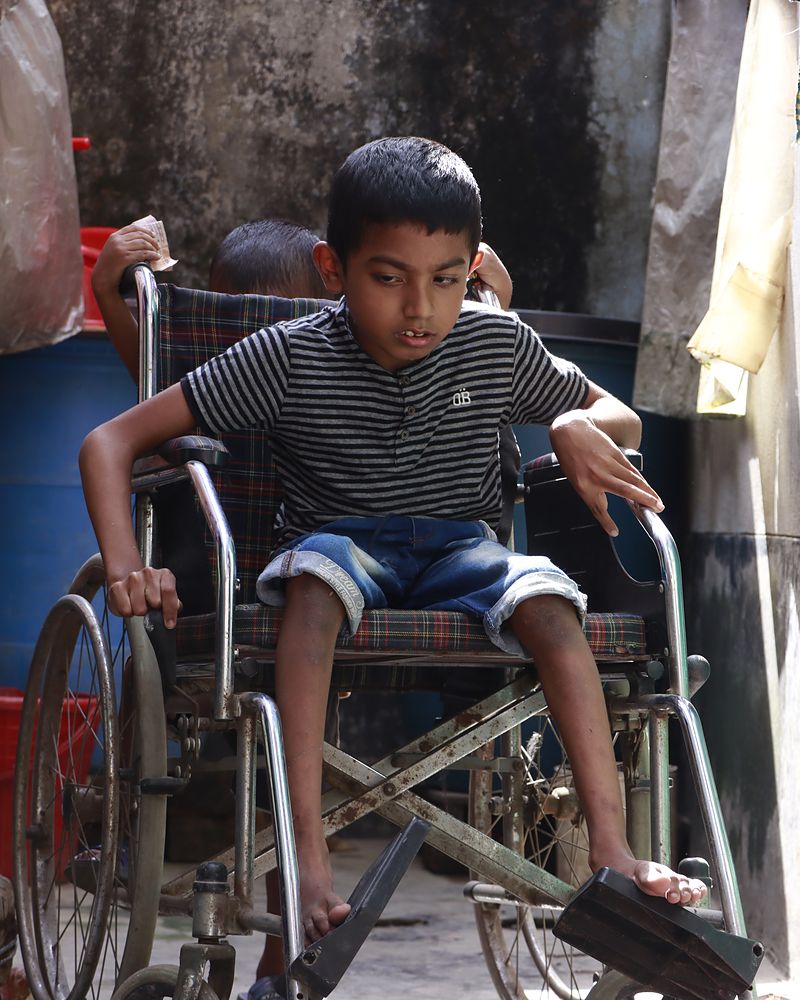 2 Action
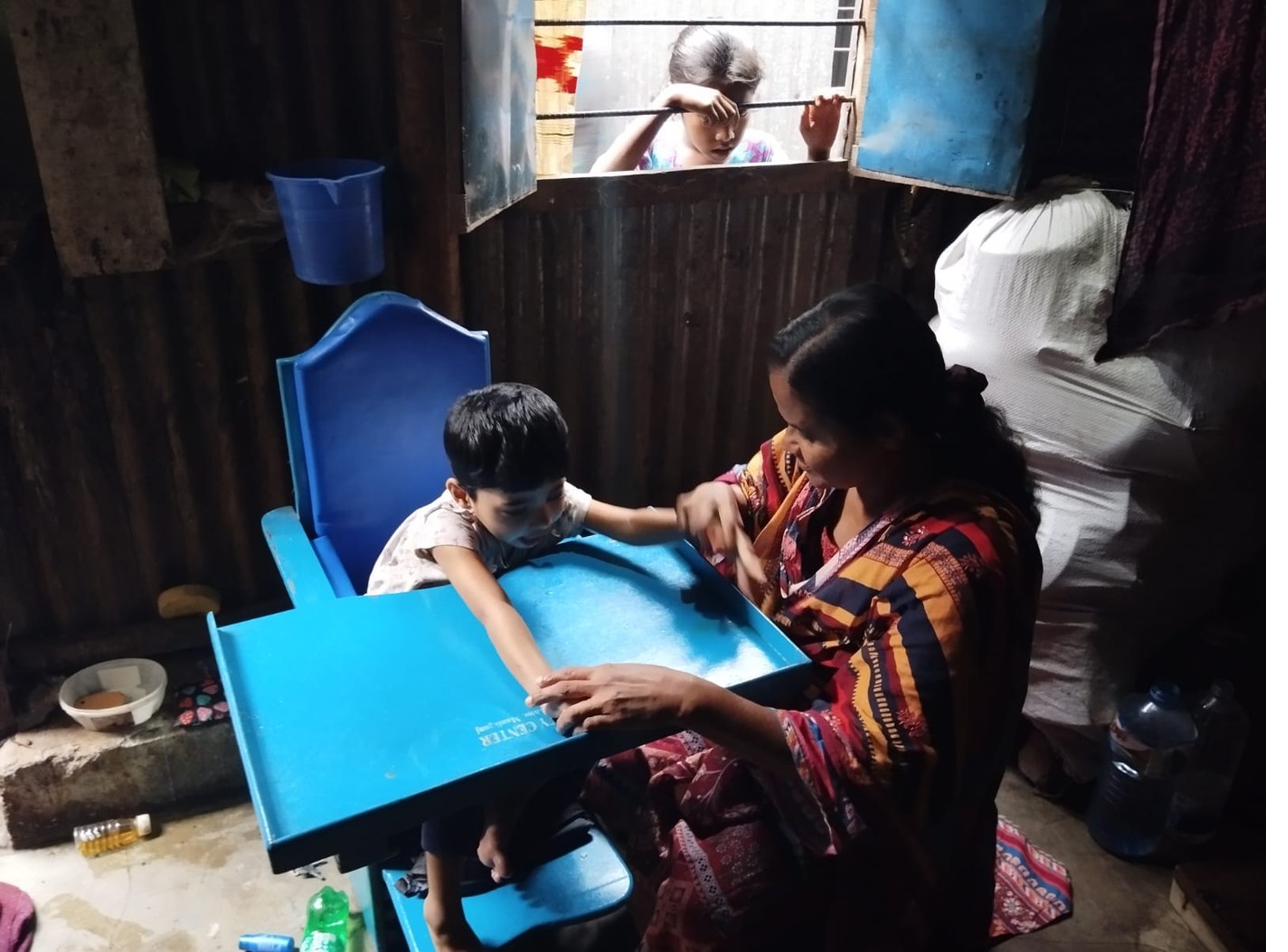
Therapy, assistive devices such as wheelchairs, and referral into government health services, at or near the person’s home.
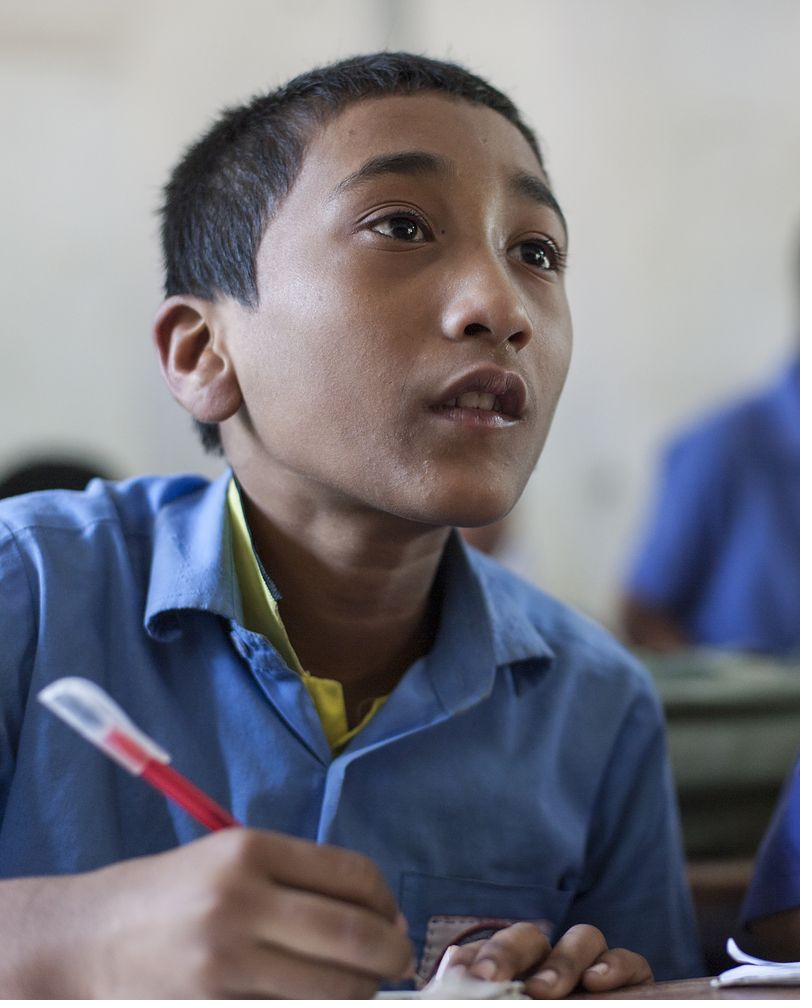 3 Change
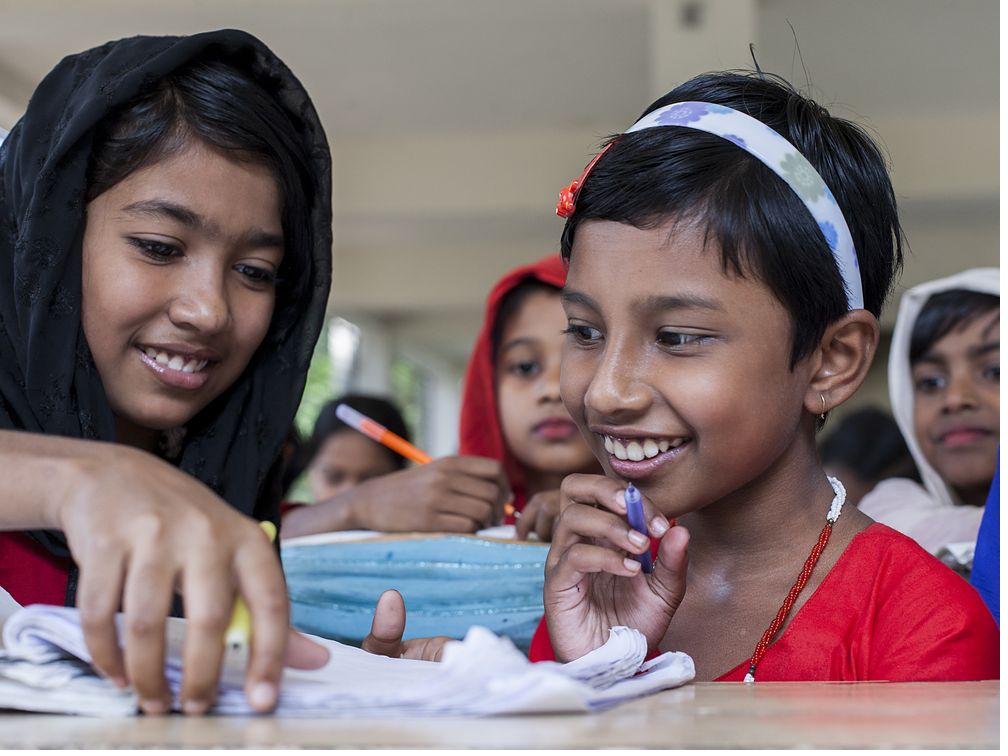
Children move into inclusive classrooms with trained teachers and adapted materials, and families gain time, income and confidence.
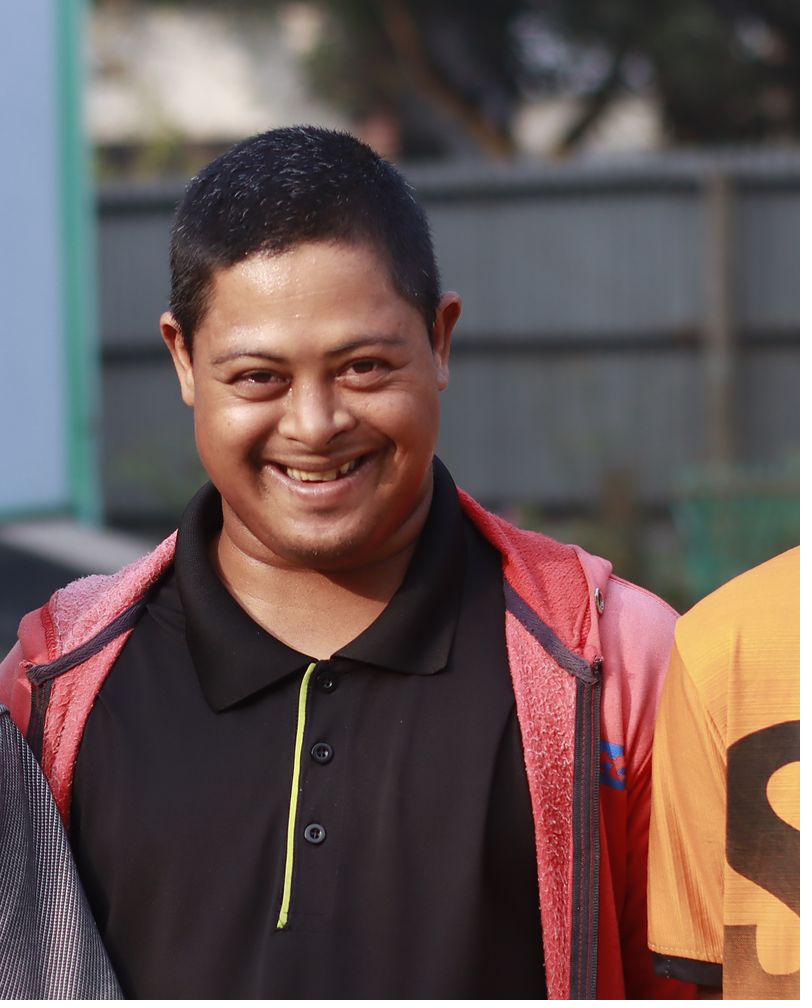 4 Impact
Young people with disabilities train for work, join organisations of persons with disabilities and speak up for their communities.
“A society where persons with disabilities and destitute people can enjoy dignified lives with equity.”— DRRA’s vision
Consent-based storytelling, safeguarding in every programme, and support that is designed with people, not for them.
Mainstream schools, health centres and workplaces made accessible — rather than separate services on the side.
Skills, income and leadership, so persons with disabilities shape the decisions that affect their lives.
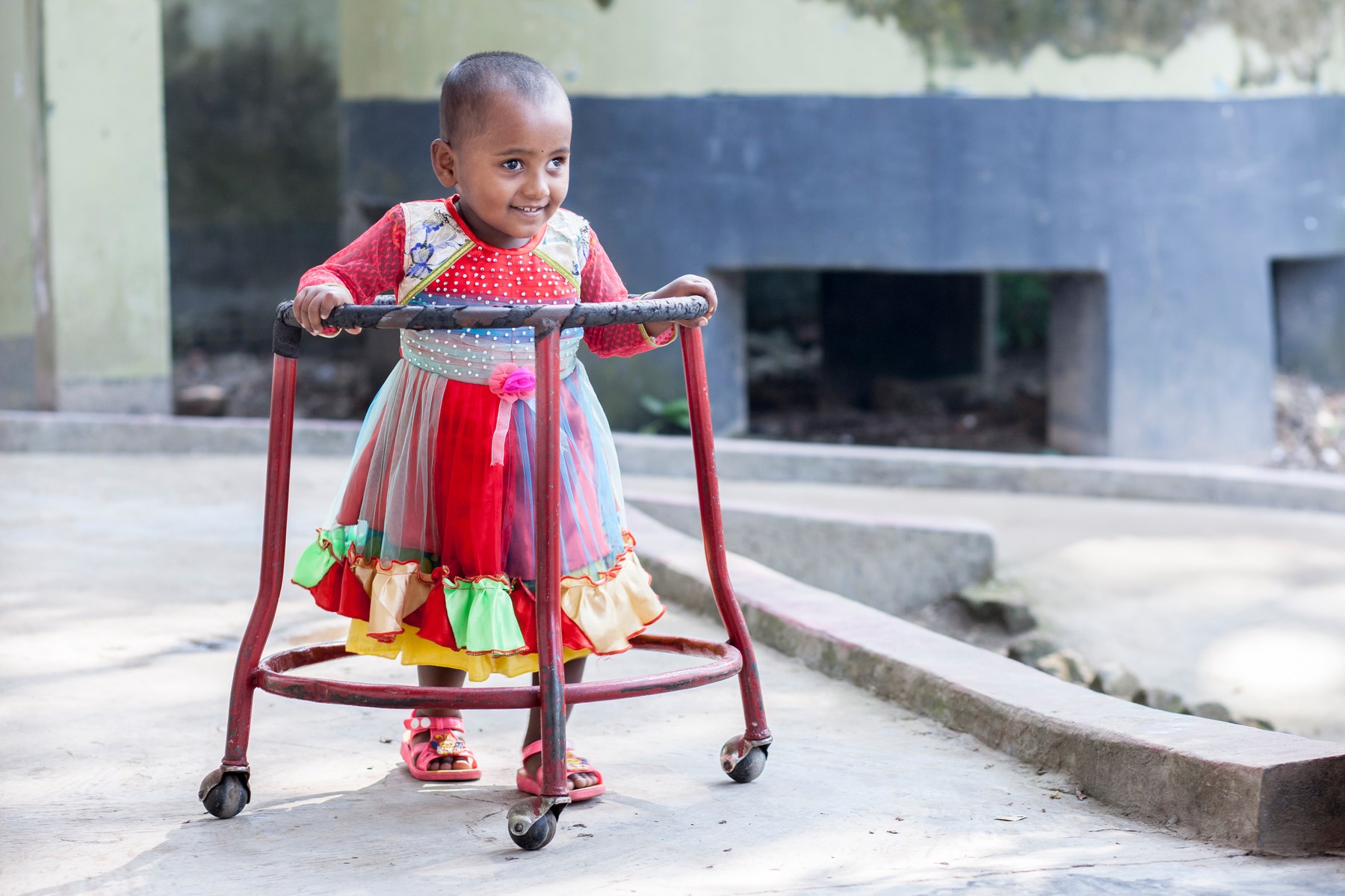
A right on paper changes nothing until it reaches a hospital ward, a classroom or a village meeting. Equity is built in layers: policy, then law reform and adaptation, then law in practice, then inclusion in health, education and community life.
| Area | What DRRA did | What changed |
|---|---|---|
| Policy | Served on national committees; published policy analyses on health, education, livelihoods and the SDGs. | Recommendations of its health study were included in the national action plan for 2018–2022. |
| Legal frameworks and accountability | Took part in committees reviewing disability law and preparing CRPD reporting; joined Bangladesh’s delegation to the CRPD Committee in 2022. | Bangladesh ratified the CRPD in 2007 and passed the Rights and Protection of Persons with Disabilities Act in 2013. These are government achievements; DRRA was one contributor among many. |
| Health systems | Set up rehabilitation centres inside government hospitals with Ministry of Health officials; helped write the national guideline on defining disability. | A memorandum on accessibility to all upazila health complexes and a commitment to record disability in national health data. |
| Education | Supported children from early learning to vocational training; trained teachers; analysed the Non-Formal Education Act. | Learn for Life methods were used in 120 primary and 12 special schools in 19 districts by 2018. |
| Nationally recognised skills | Became a partner training institute under PKSF’s SEIP programme in 2022; argues for inclusion in the national skills system. | A 5% TVET admission quota (2015) and the National Skills Development Authority Act (2018) are national changes. |
| Livelihoods and inclusive business | Linked training with loans from local microfinance institutions and government services. | Government service providers began giving technical guidance and training to JIBIKA self-help group members. |
| Local institutions and localisation | Built self-help groups and organisations of persons with disabilities and linked them with Union Parishads and disaster committees. | Members were invited onto Union Disaster Management Committees, a Union Parishad installed a ramp and cyclone teams used lists of persons with disabilities. |
| Human rights and international engagement | Contributed to the CRPD review of Bangladesh; accredited to the CRPD Conference of States Parties. | Three DRRA models are documented in the Zero Project’s international database of solutions. |
| Research and replication | Built a research department and published more than thirty studies with partners. | VARANDA was replicated by 15 local partner organisations and JIBIKA by 13; the hospital approach was piloted elsewhere. |
DRRA is registered with the Department of Social Services, the NGO Affairs Bureau and the Microcredit Regulatory Authority, Government of Bangladesh, and its accounts are independently audited every year. Audited statements, registration documents and our annual impact report are available on request.
Districts and upazilas reached directly and through local partner organisations, with DRRA’s training and resource centres and inclusive health rehabilitation centres.
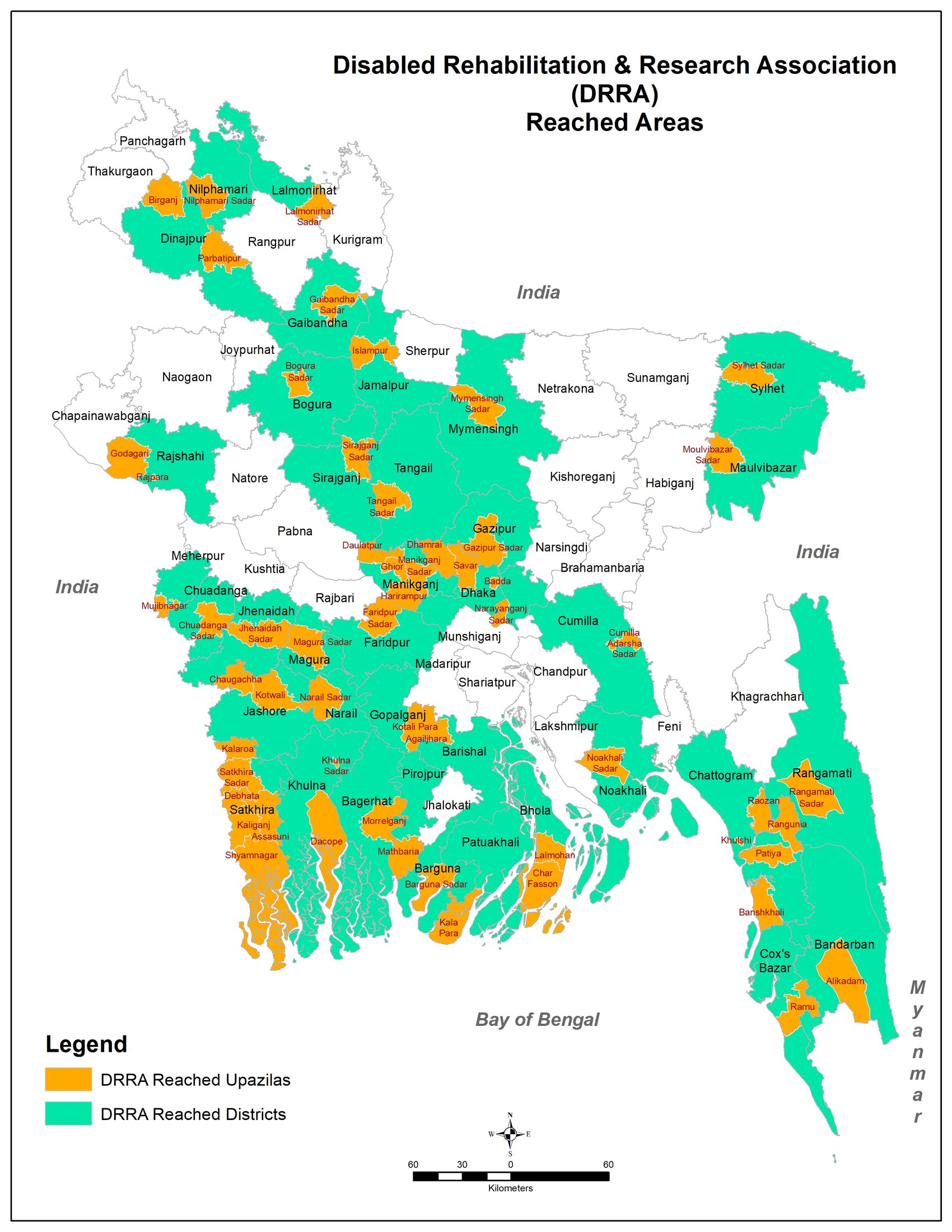
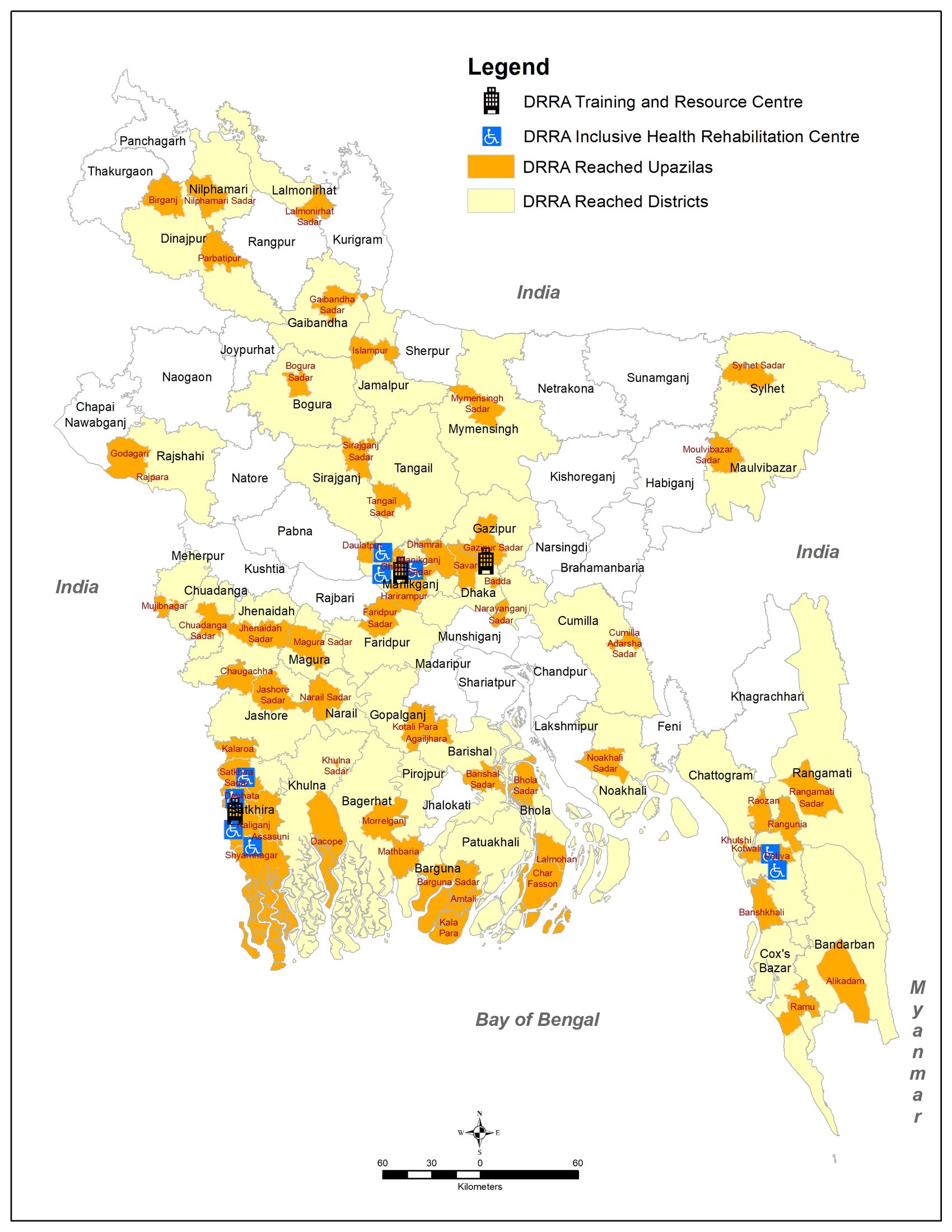
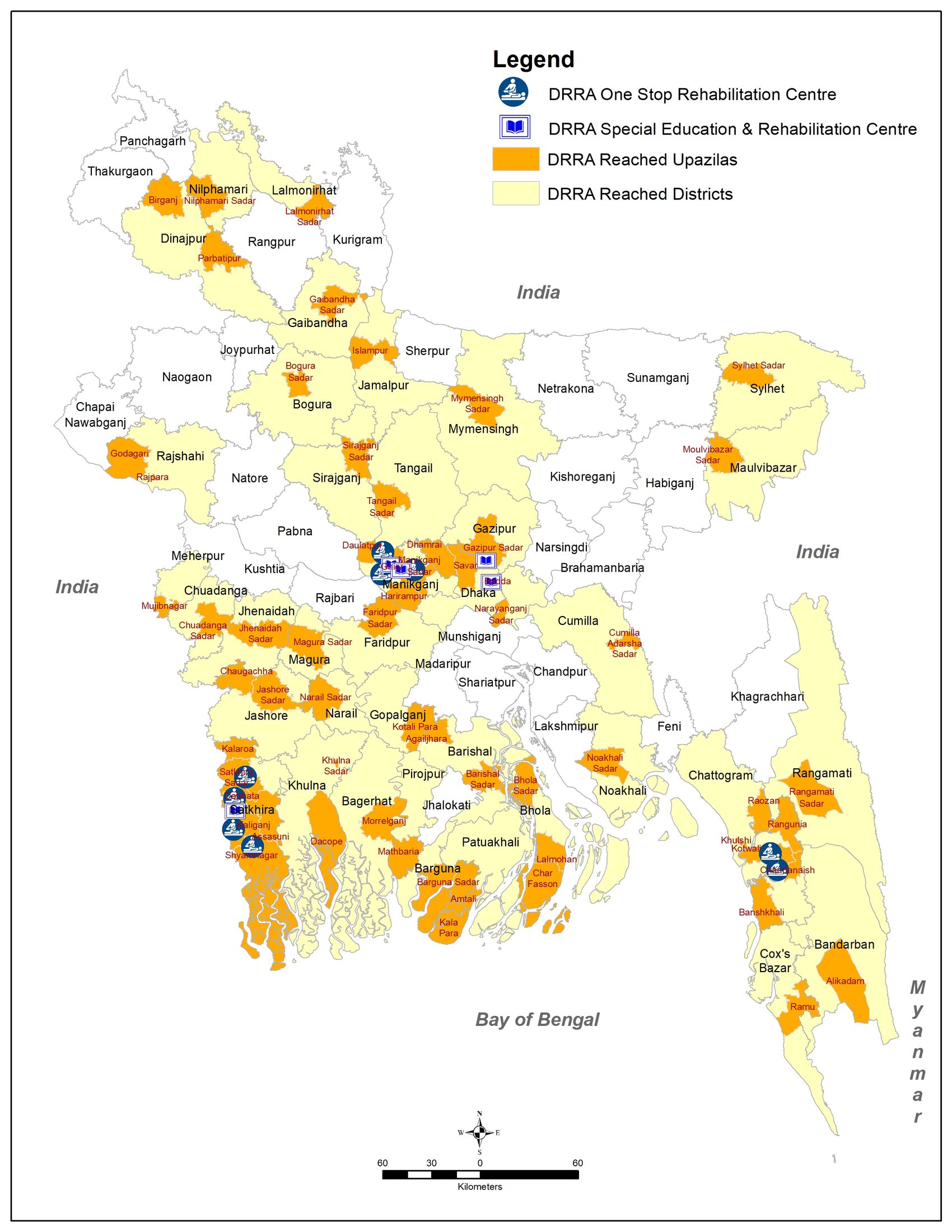
Select a map to open it at full size.
DRRA’s programmes contribute to Bangladesh’s progress on the Sustainable Development Goals and on the UN Convention on the Rights of Persons with Disabilities.
Your gift reaches a person, then a family, then a community.