Sometimes, numbers do not matter
Every life, every right, every possibility. Statistics tell us how many. They cannot tell us what it means to be refused at a school gate, to earn a first wage or to speak at a village meeting.
Every life, every right, every possibility
Sondha Rani, 20: from allowance recipient to community link
Sondha Rani has a physical disability and joined a self-help group while continuing her studies. A DRRA partner organisation linked her with the Department of Social Welfare for the disability allowance. She now speaks to parents of children with disabilities about their rights and helps others apply for the allowance.
“No one in my community will remain unaware of disability.”
What it shows: When persons with disabilities lead, public entitlements reach further.
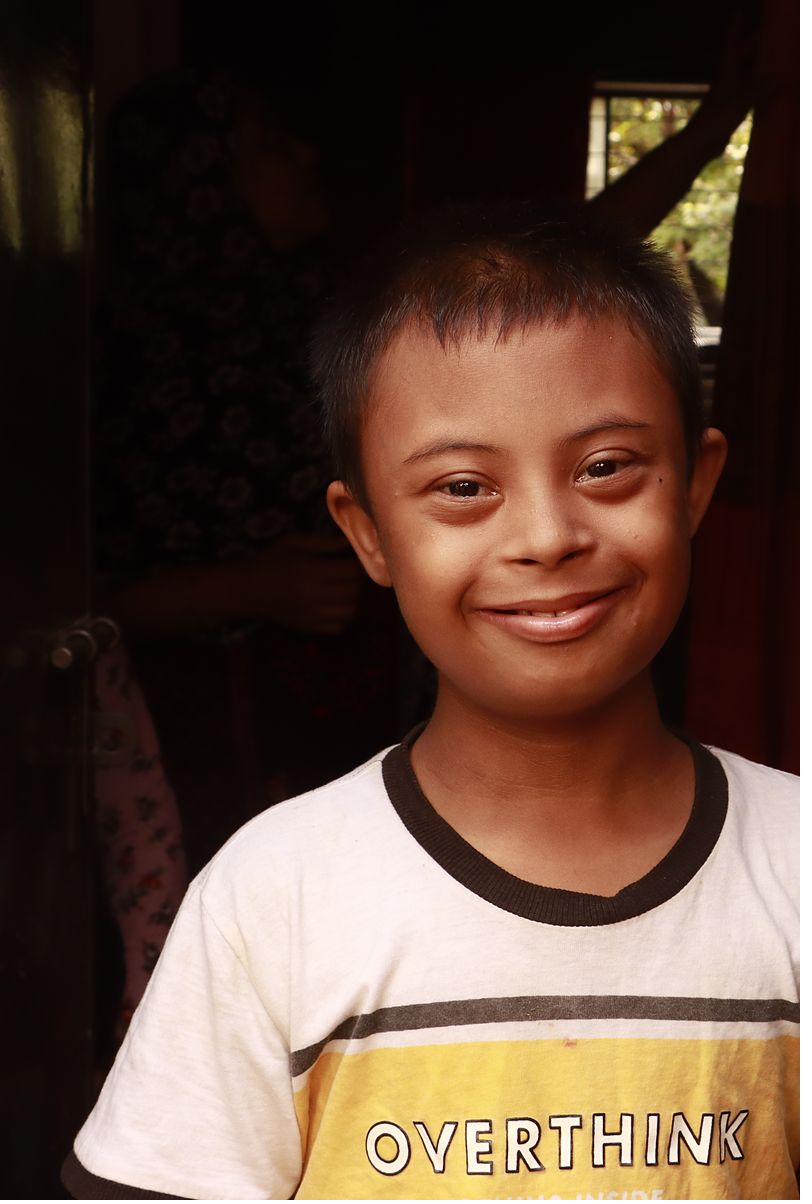
A boy of 12: admitted after his teachers were trained
After a community mobiliser encouraged his parents, he began physiotherapy. His local school refused to admit him because teachers did not know how to teach a pupil with a disability. A DRRA partner organisation trained the teachers and held school management committee meetings on disability. The school then admitted him, and he reached class five.
What it shows: The barrier was in the school, not in the child, and it could be removed. This story is anonymised to protect a child’s privacy.
Mithu, 18: from an identity card to a paid job
Mithu has cerebral palsy. A DRRA partner organisation helped him obtain a disability identification card and the allowance, and supported his therapy and education. He completed his secondary school certificate and trained in motorcycle servicing. He now earns Tk 1,500 at a local workshop while continuing his studies.
What it shows: Public entitlements and other agencies’ training can be unlocked through good links.
Shojol: a college student
Shojol developed a physical disability after polio at the age of two. He is studying for his degree at a government college and helps his parents at home and in the fields.
What it shows: Inclusion in education continues into higher education.
Astomi and Forhad: leaders of their own organisations
Astomi, chief operating officer of an organisation of persons with disabilities, received a Joyeeta award from the Government of Bangladesh in 2018. Forhad, president of another organisation of persons with disabilities in Satkhira, was using local resources and seeking further funding to do more.
What it shows: The aim is organisations of persons with disabilities that lead, raise funds and are recognised.
Two stories worth reading in full
Three decades, told in three parts
Thirty years, phase by phase
The sourced timeline, on the About page →
InstitutionalHow DRRA strengthens local organisations
The localisation model, on the Partnerships page →
InstitutionalRehabilitation inside government hospitals
The health-system case study, on the Inclusive Health page →
60 films from the field
Programme footage, event highlights and explainers from DRRA’s YouTube channel, all playable in the Knowledge Hub.
Watch the video library →Moments from the field
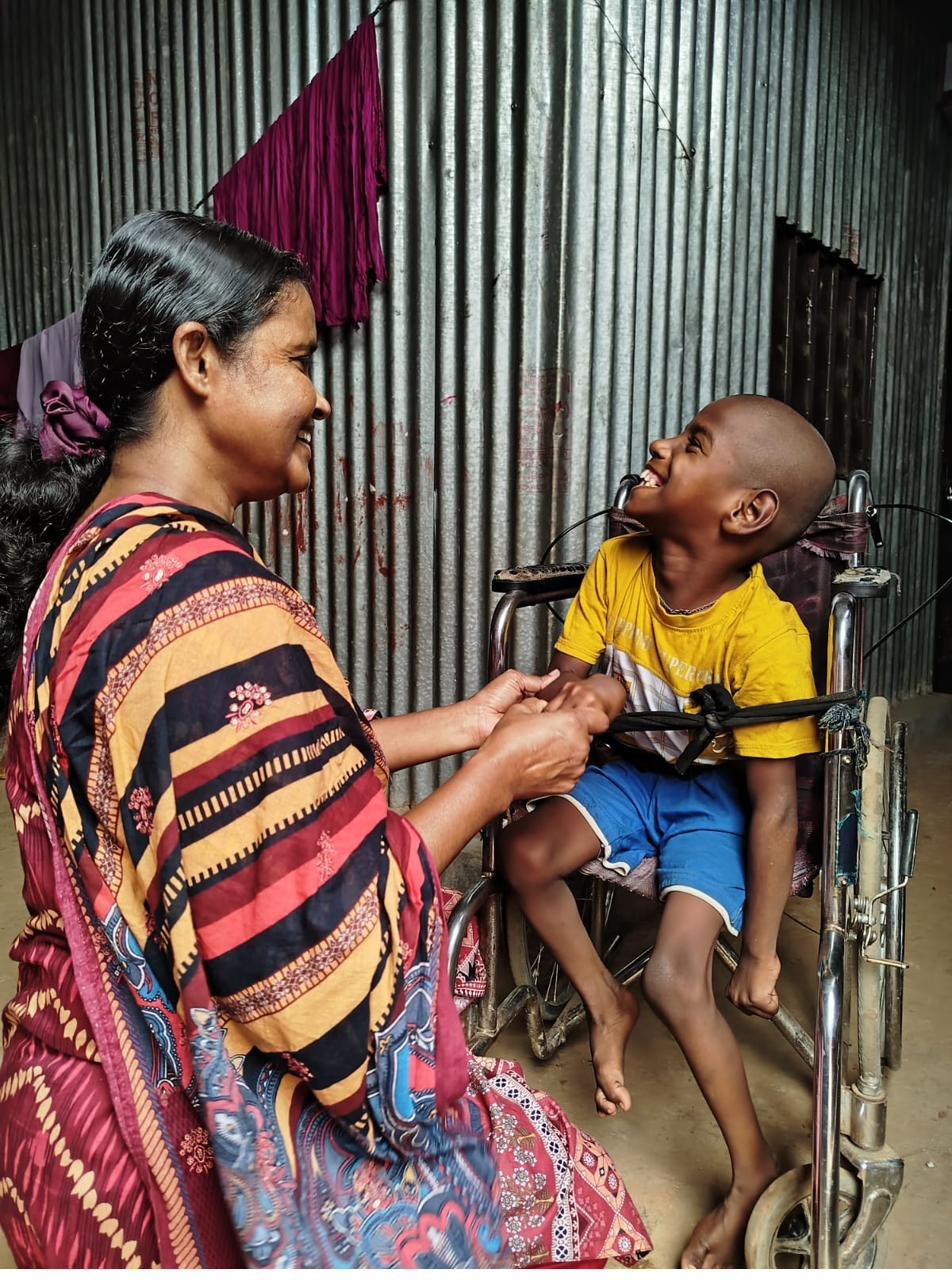
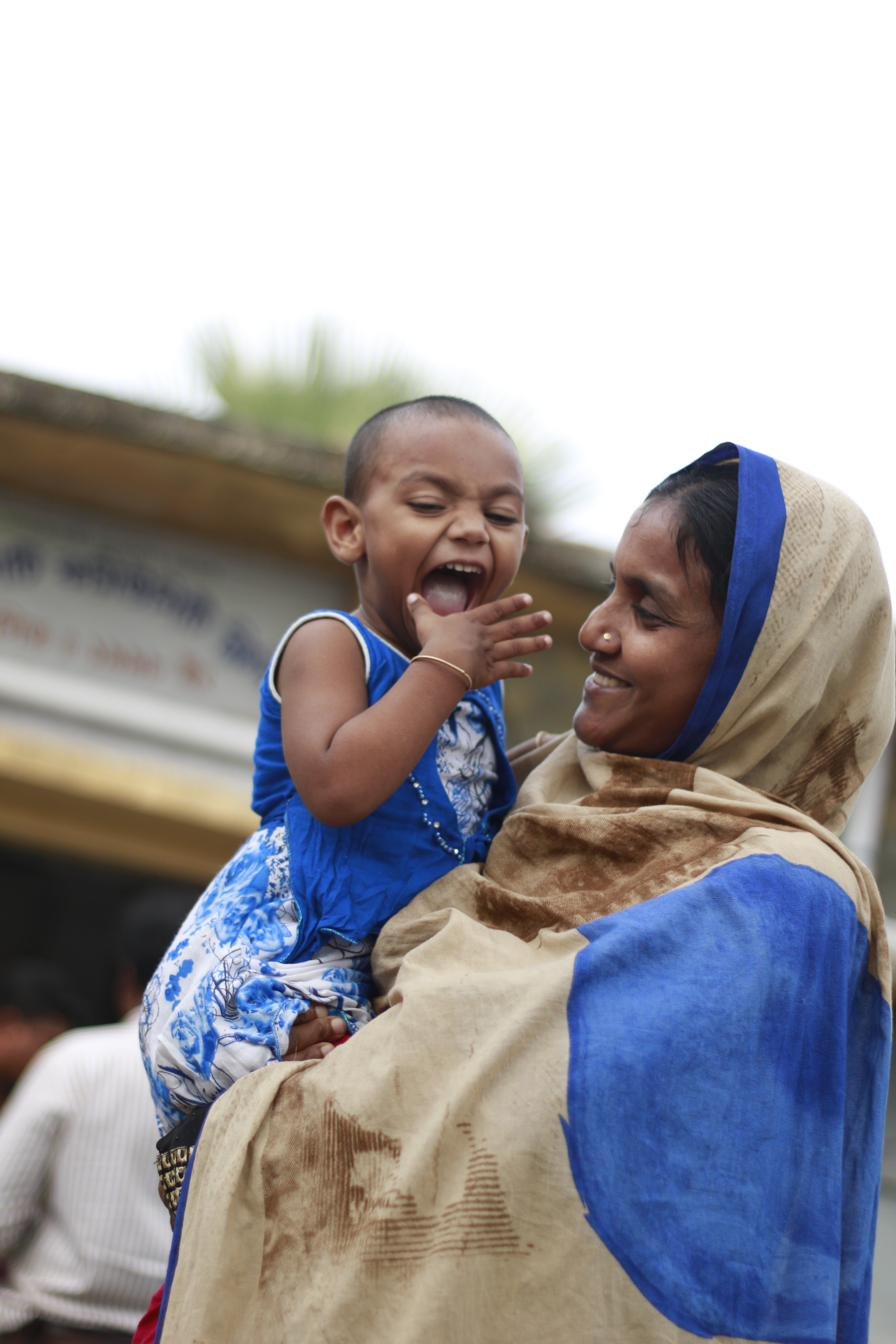
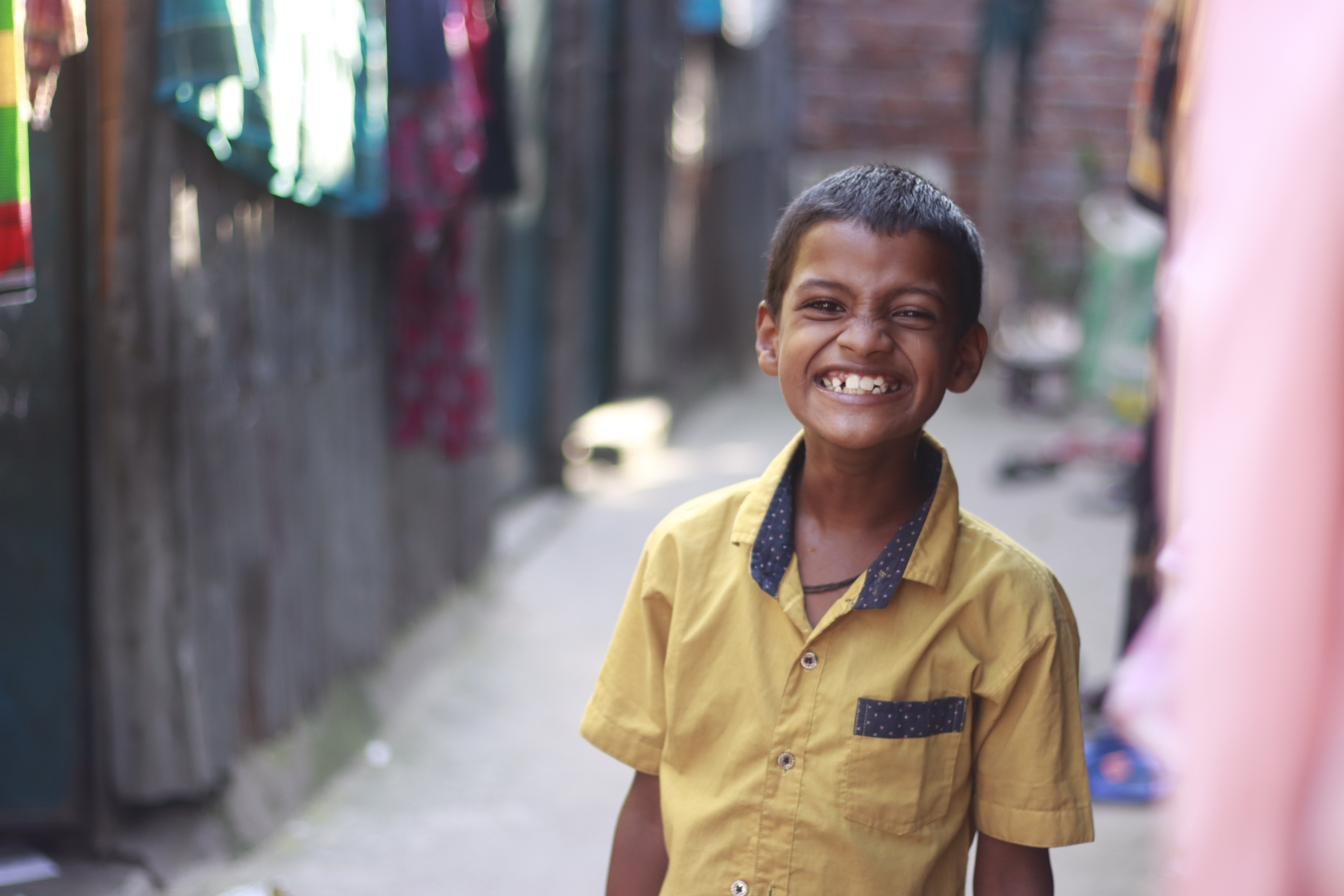
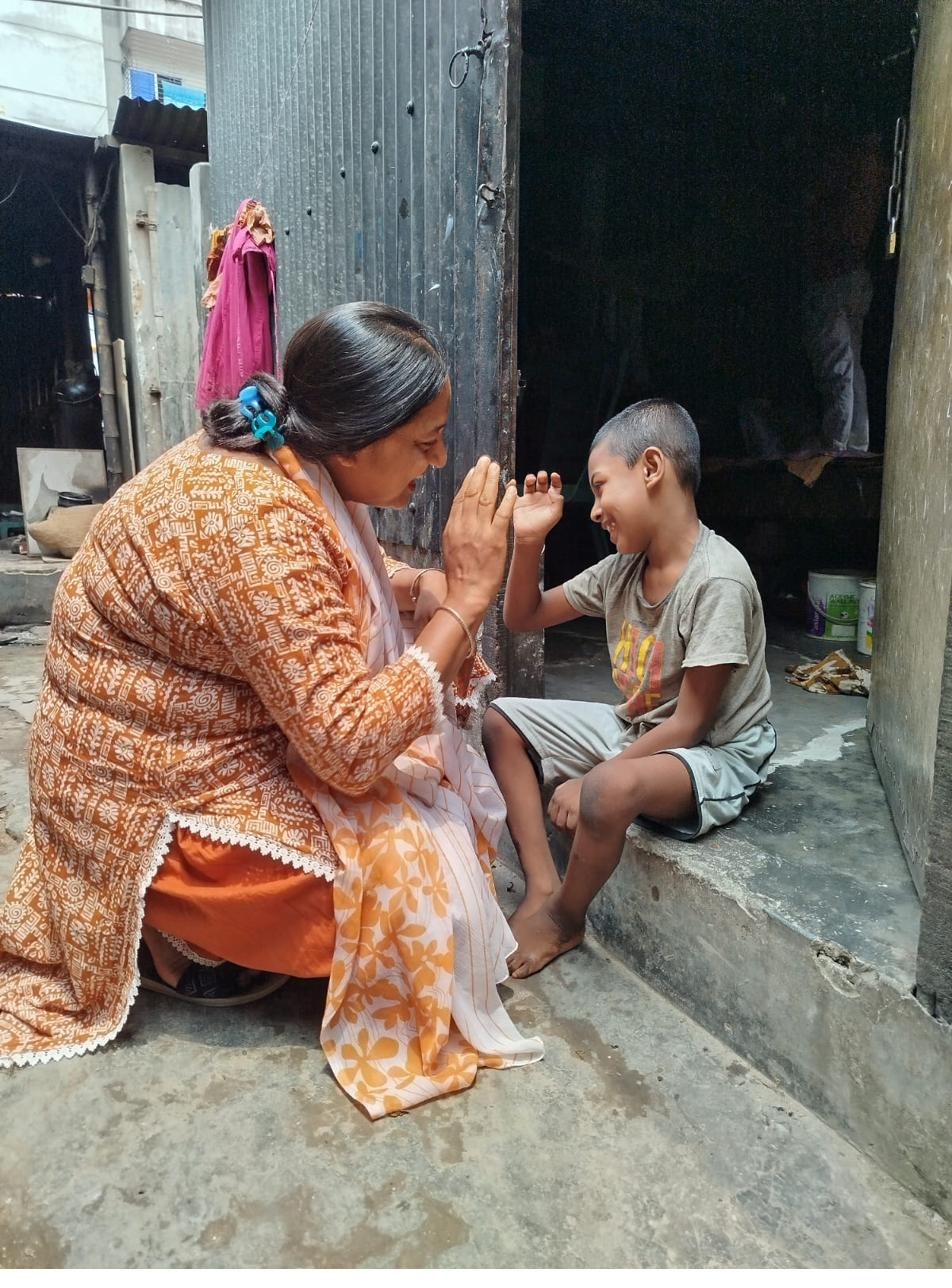
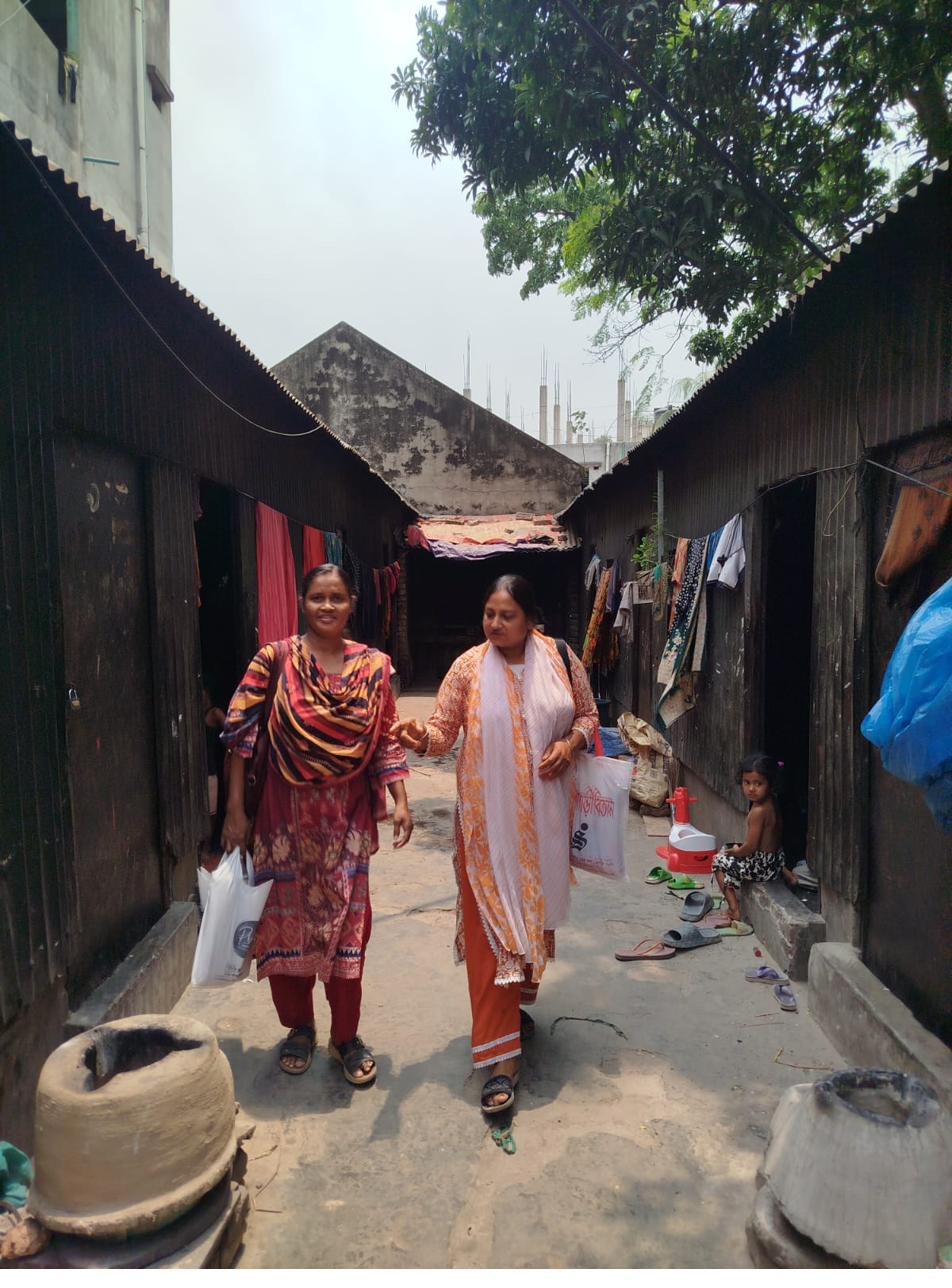
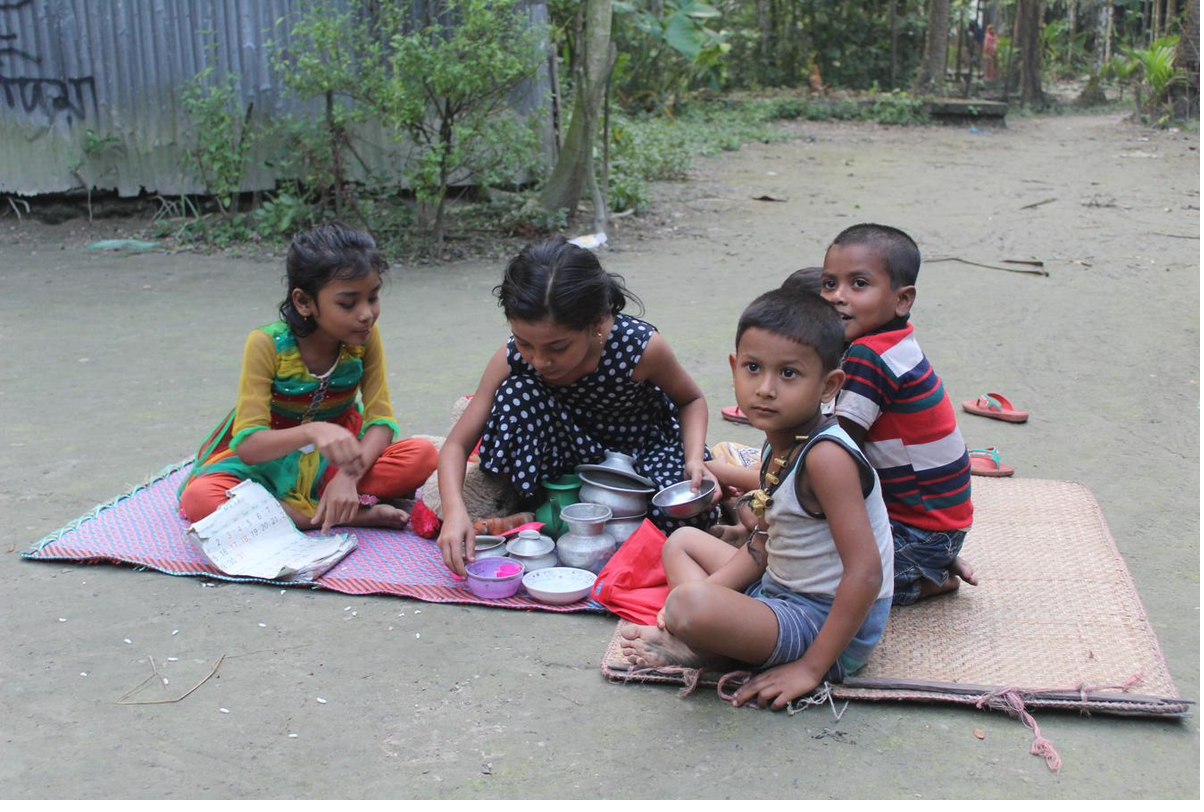
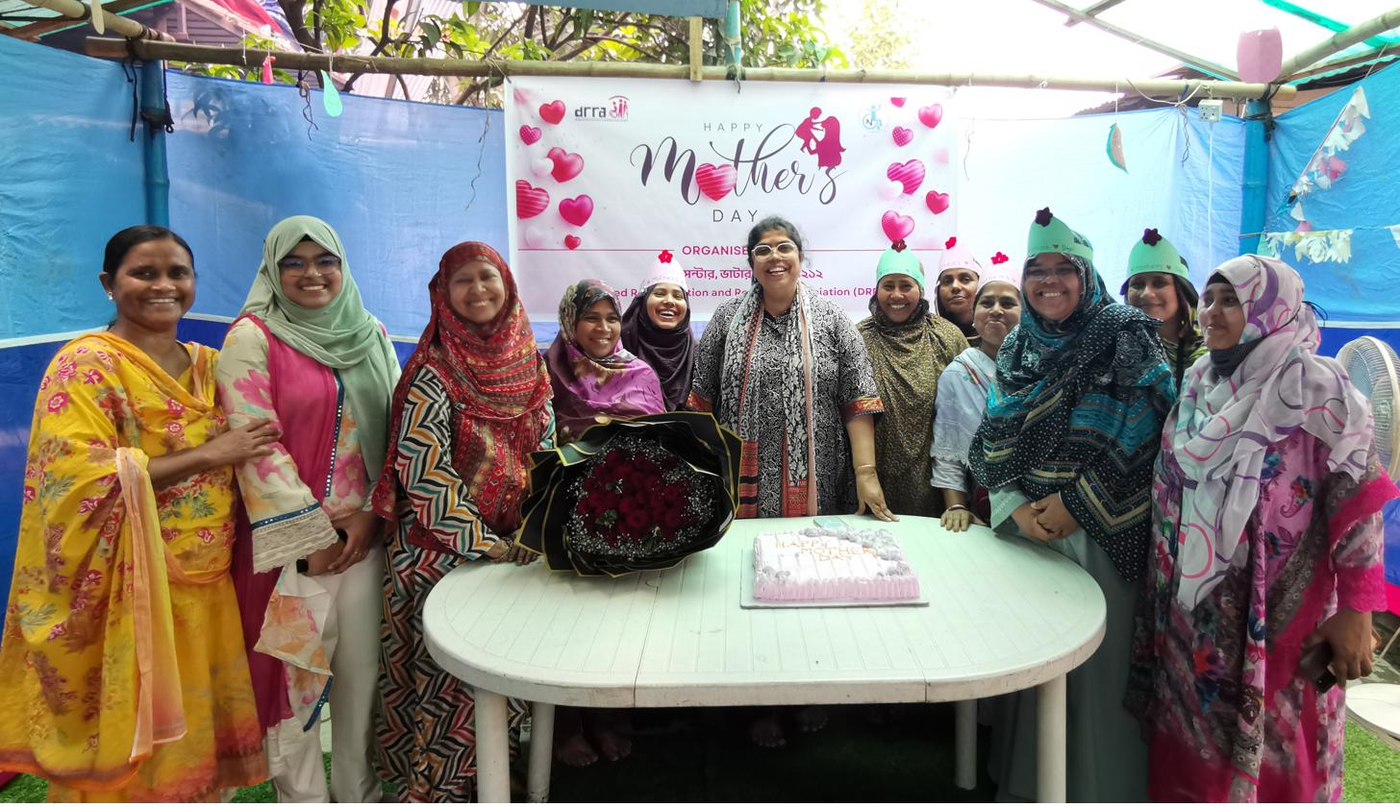
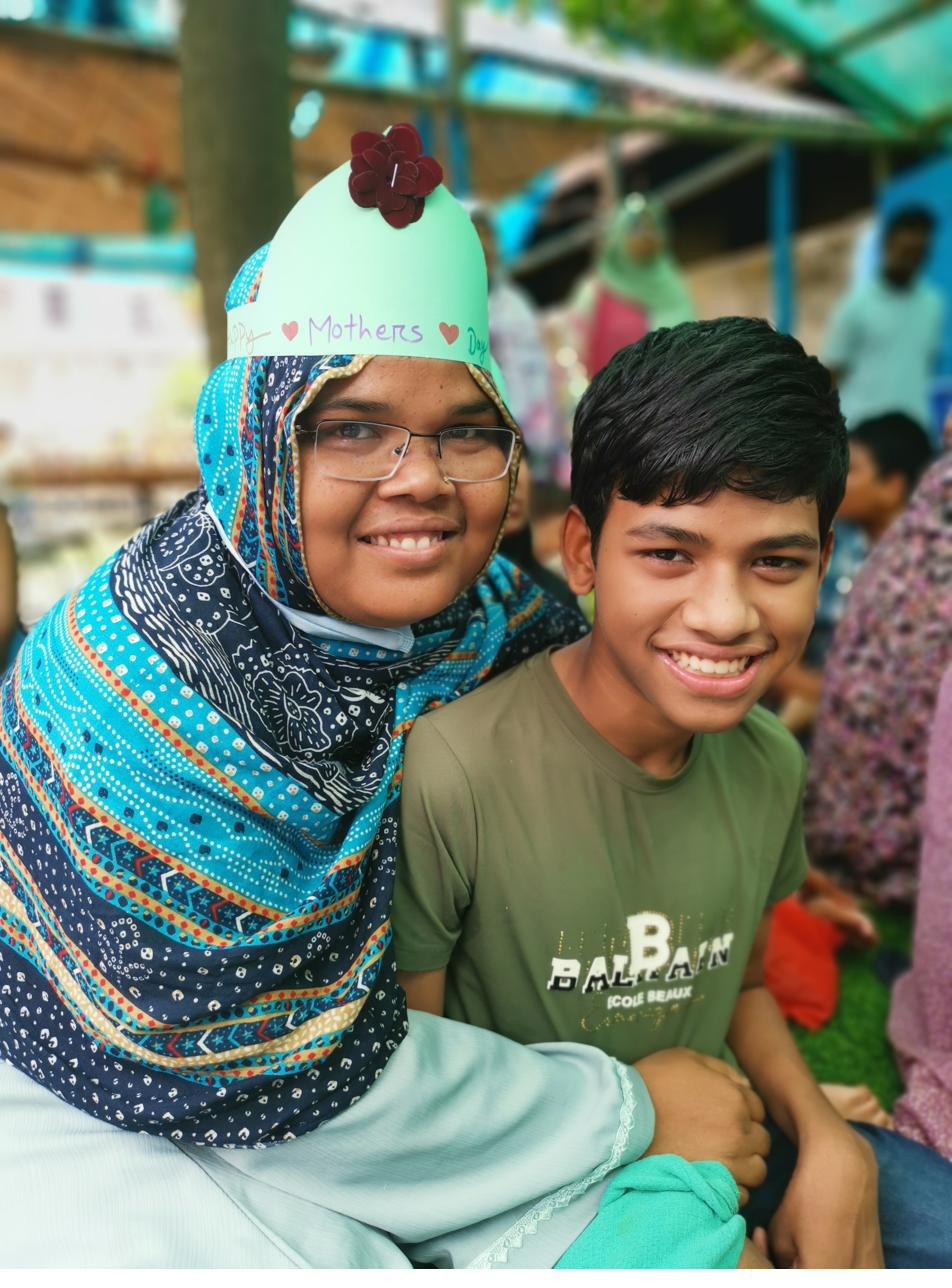
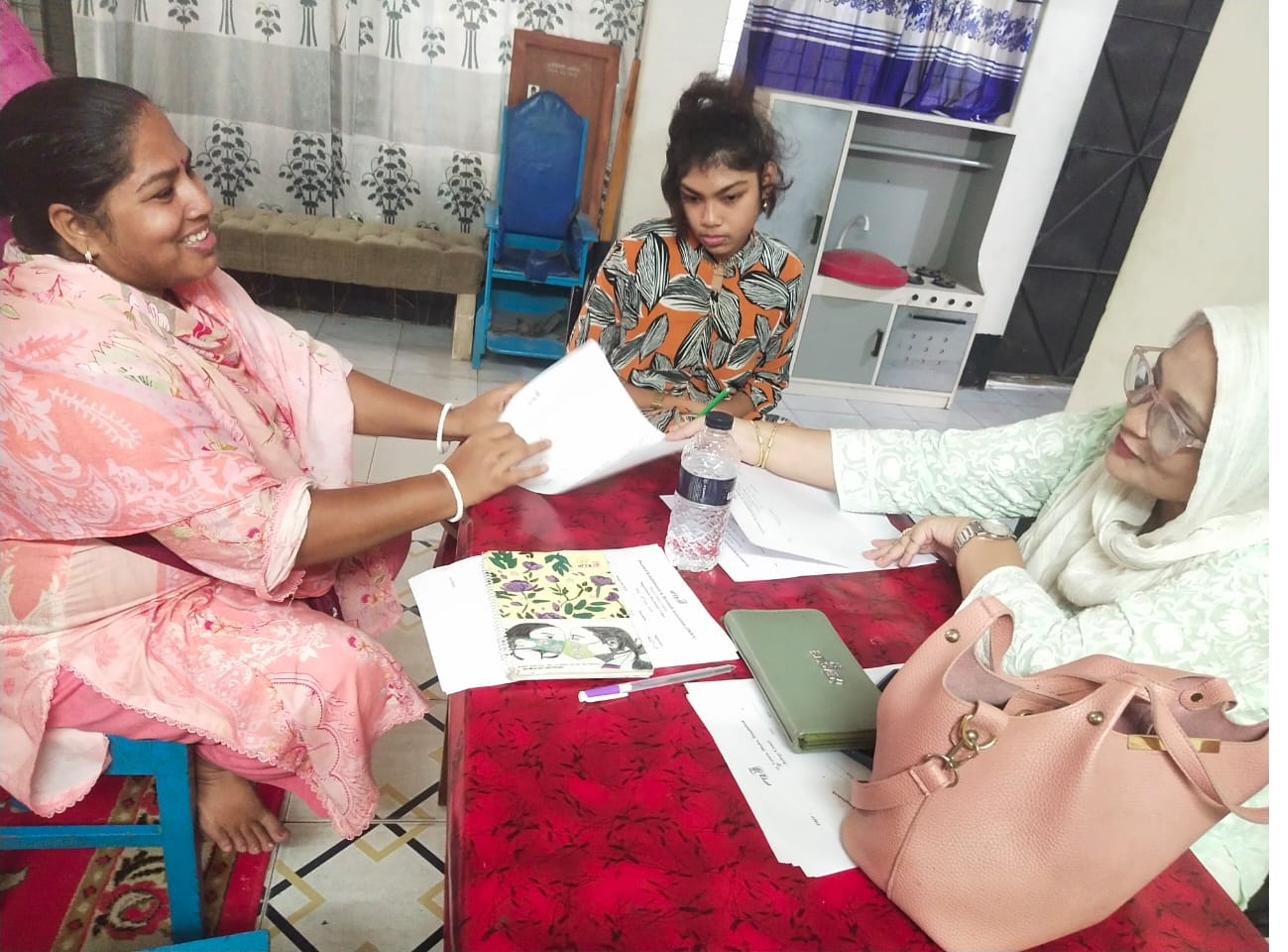
Real photographs from DRRA’s programmes and community events. Captions are factual descriptions, not attributed quotes, and do not name the people shown.
Browse by theme
Have a story to share?
Donors, volunteers and partners: we'd love to feature your experience.