Economic Inclusion & Sustainable Livelihood
Skills, income and enterprise for everyone
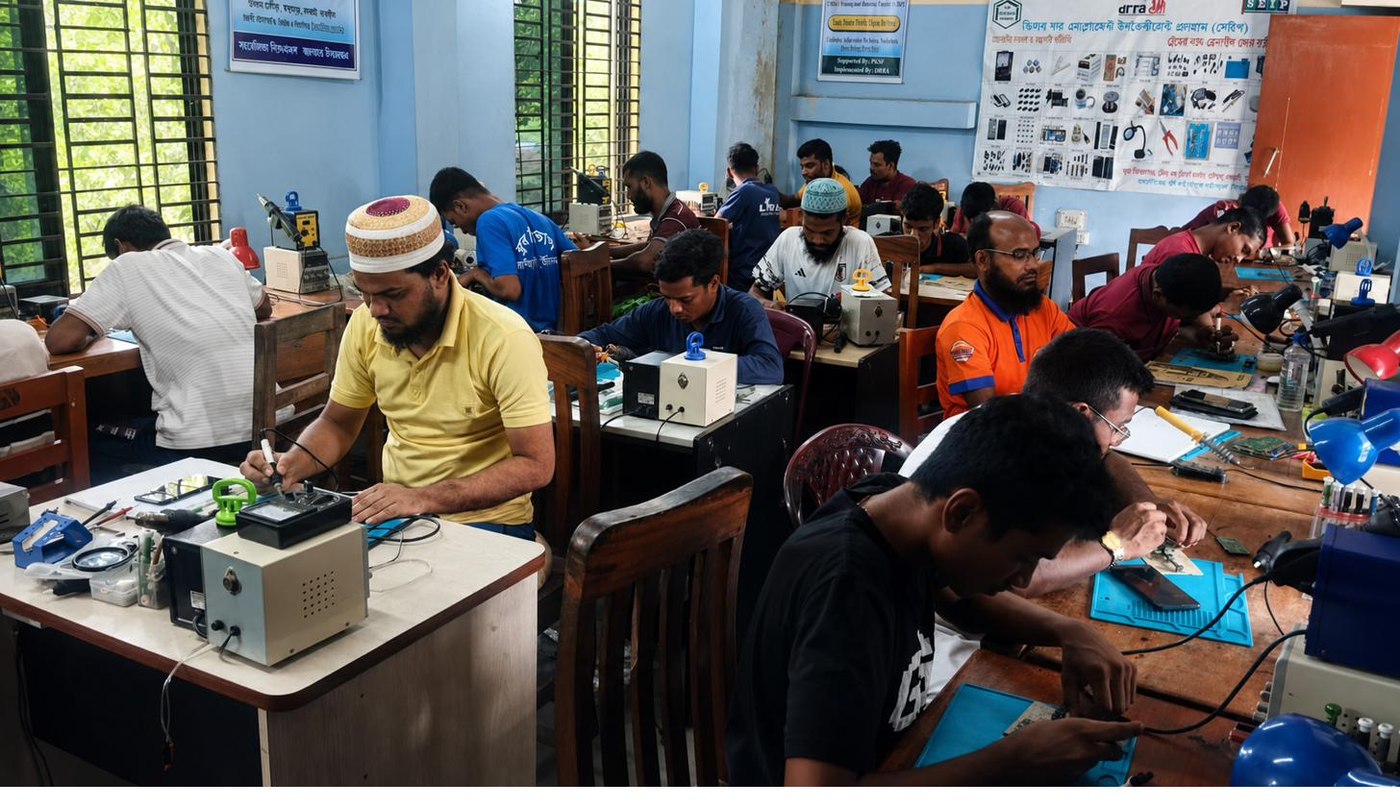
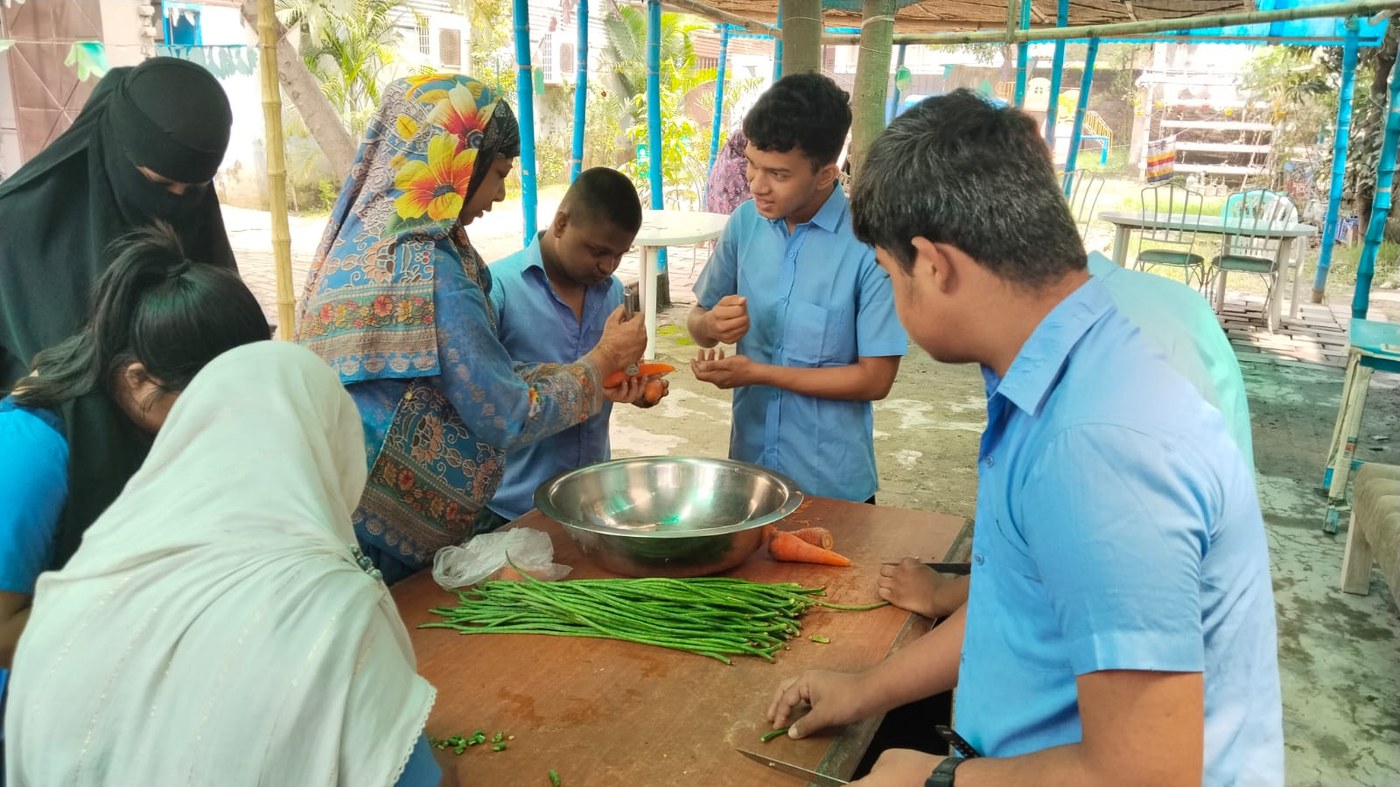
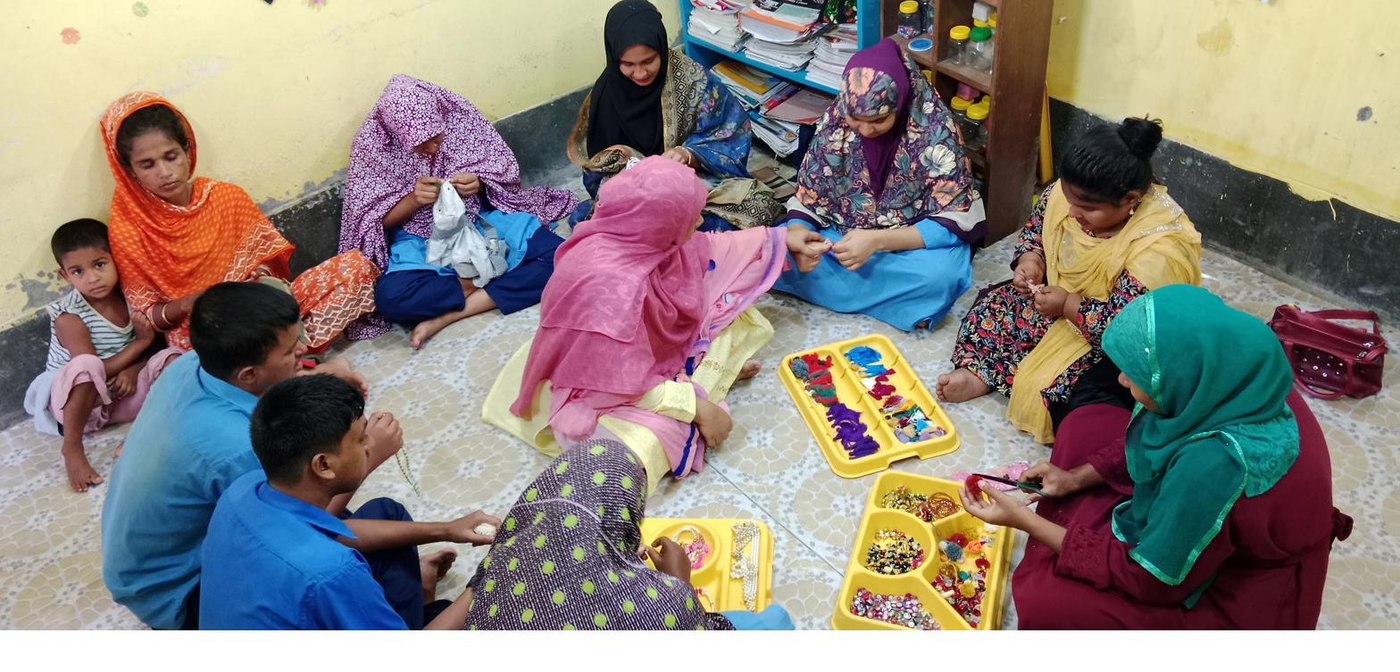
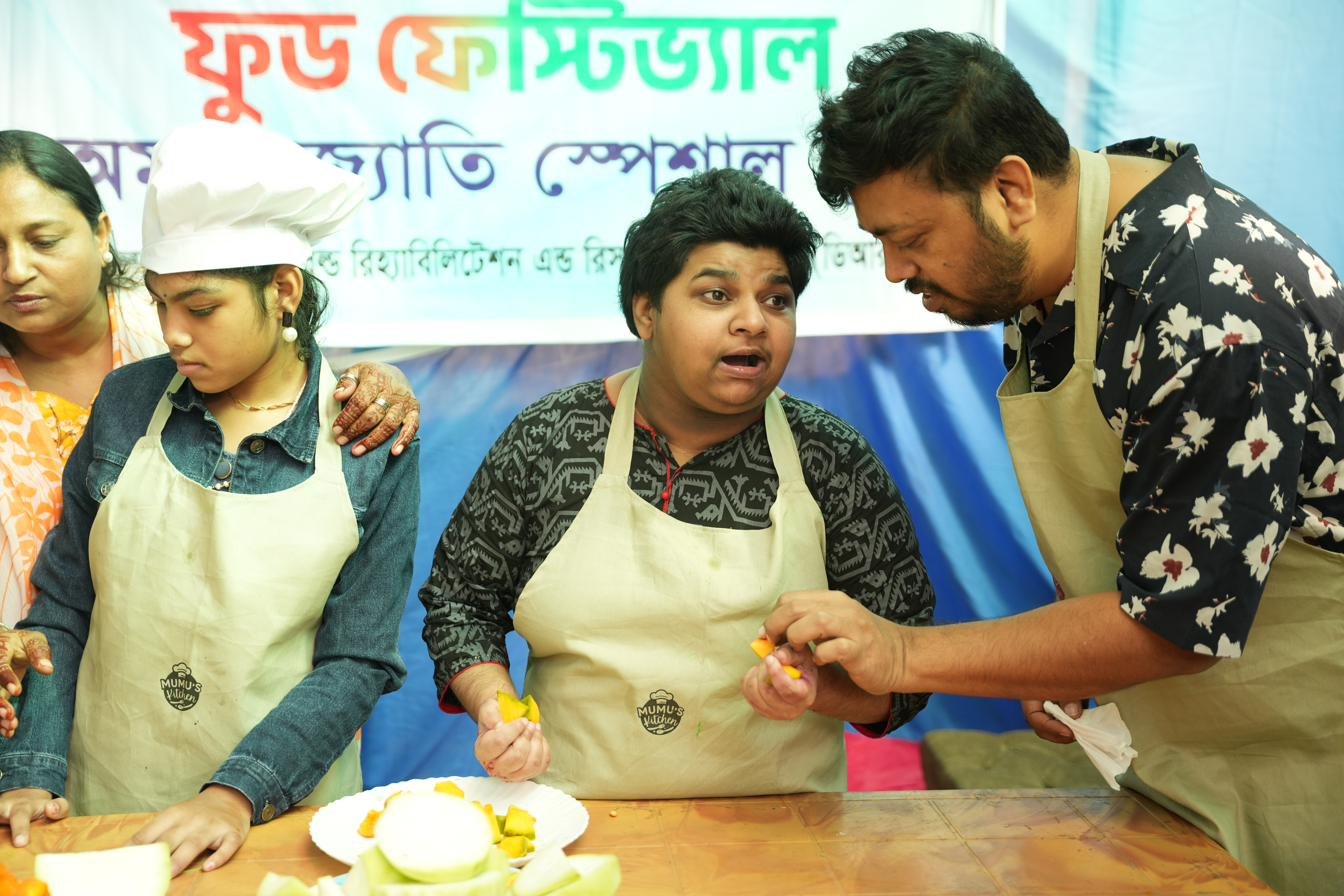
DRRA turns skills into income for persons with disabilities, women and marginalised young people, through vocational training, self-help groups, inclusive microfinance and social enterprise.
Skills are not enough on their own
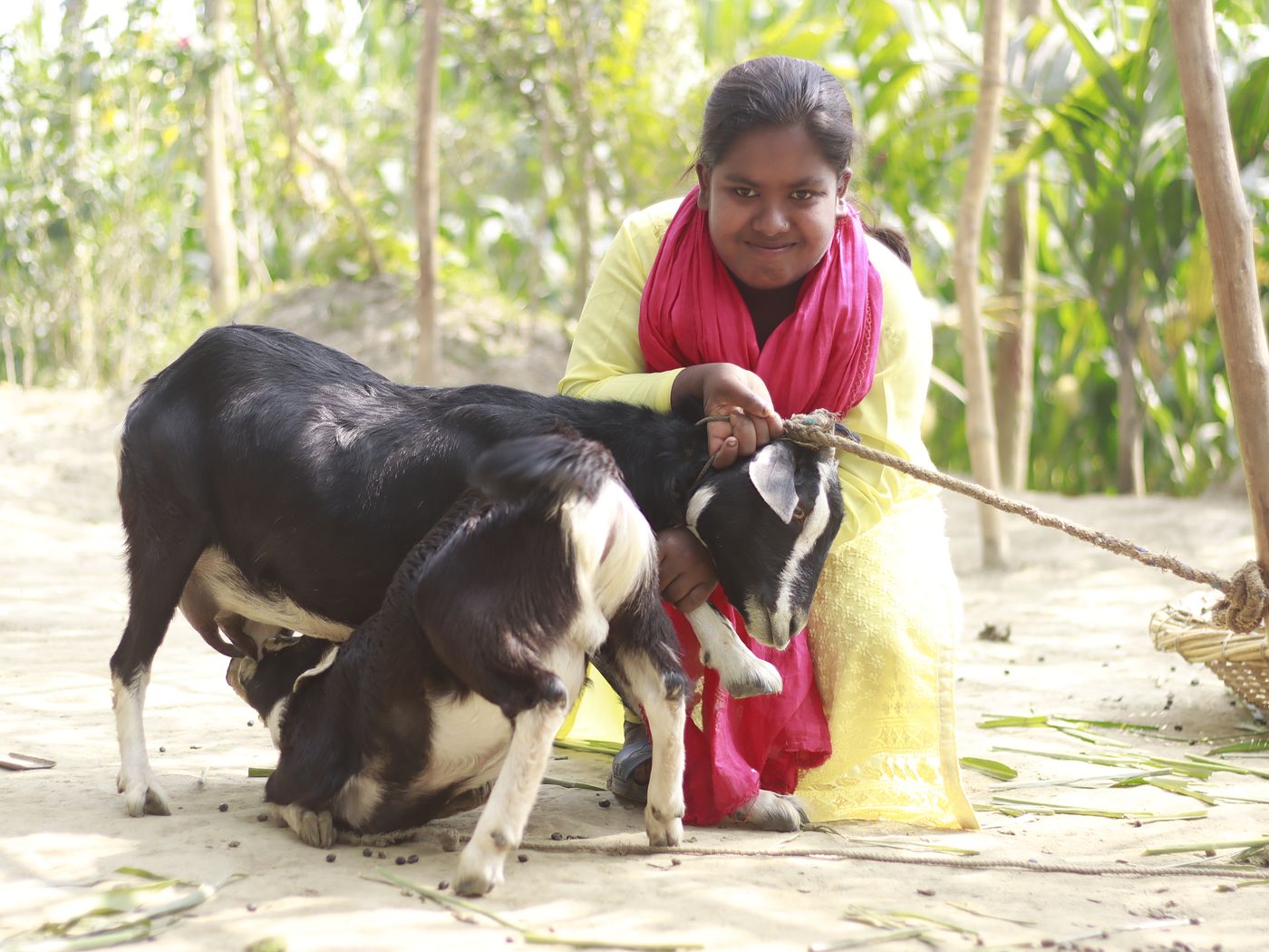
Persons with disabilities in Bangladesh are often refused credit, left out of training and passed over for work. Without an income of their own, they and their families depend on support from others, and have little say in the decisions that affect them.
DRRA promotes economic inclusion by linking skills to real markets and real money. Training is matched to local demand, start-up resources are given as revolving funds, and people are connected to microfinance, government services and buyers. Self-help groups and organisations of persons with disabilities (OPDs) make the gains last.
The work reaches persons with disabilities, women, young people and climate-vulnerable households in both rural districts and urban settlements, and it is closely linked to DRRA’s Women Empowerment and Youth Leadership programmes.
Four models for economic inclusion
Recognising the challenges of climate vulnerability, the diverse capacities of persons with disabilities and the varying availability of employment and business opportunities, DRRA has developed, practised and refined four complementary models of financial inclusion and livelihood development through field experience and research.
These approaches are designed for inclusive application in both climate-vulnerable and other urban and rural contexts, engaging youth, women (including women with disabilities), individuals and families according to their capacities, needs and economic opportunities.
The four models are:
- MODEL 1
Group-Based Savings and IGA
Promoting collective economic activities, peer support and financial inclusion through context-specific group approaches.
- MODEL 2
Entrepreneurship
Developing and supporting entrepreneurial initiatives and market-oriented businesses.
- MODEL 3
Family-Based Development
Strengthening family capacities, resources and economic opportunities through an integrated family development approach.
- MODEL 4
Direct Assistance
Providing individualised support for income-generating activities based on personal capacity and livelihood potential and market access.
The community garment model
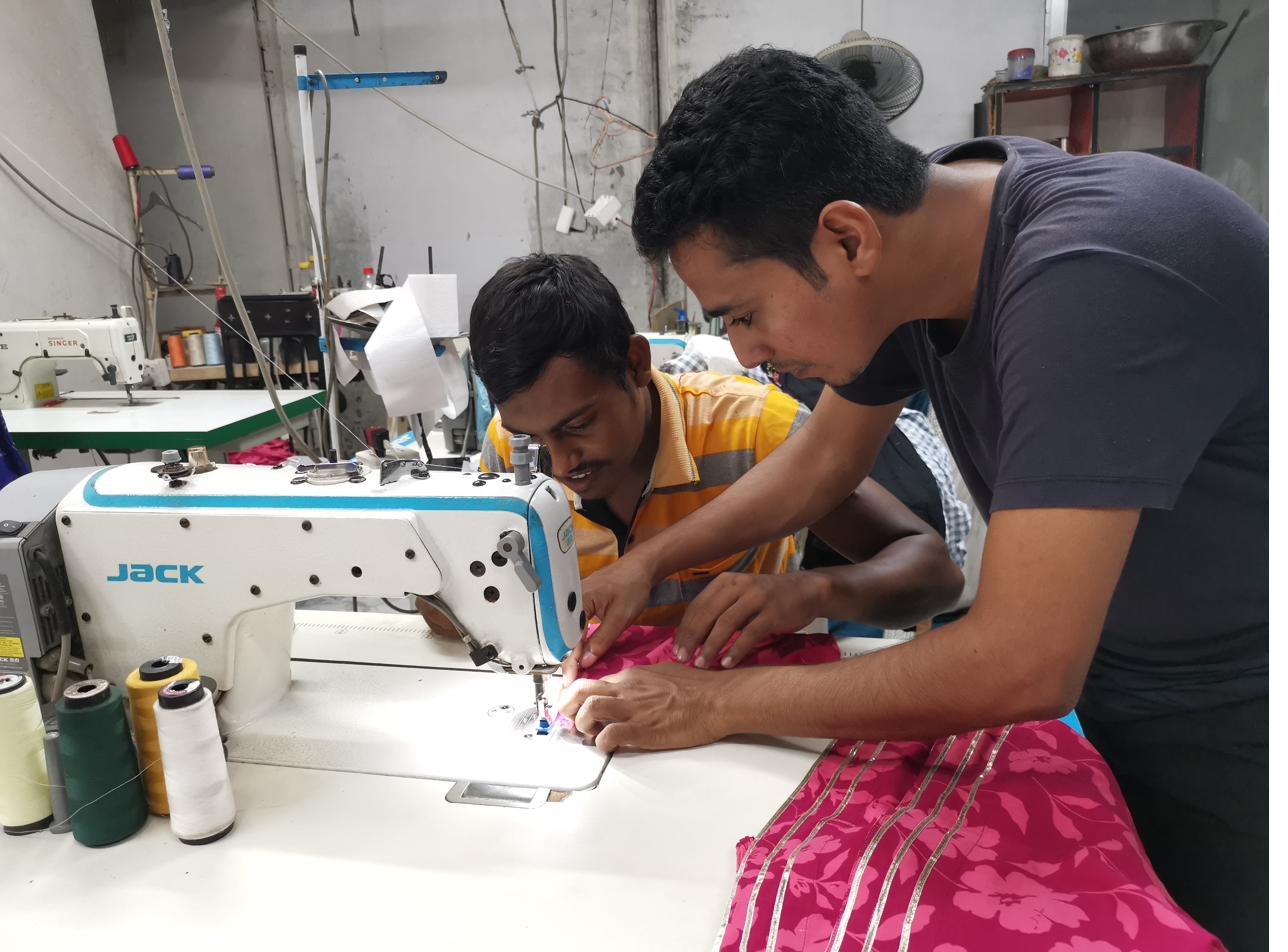
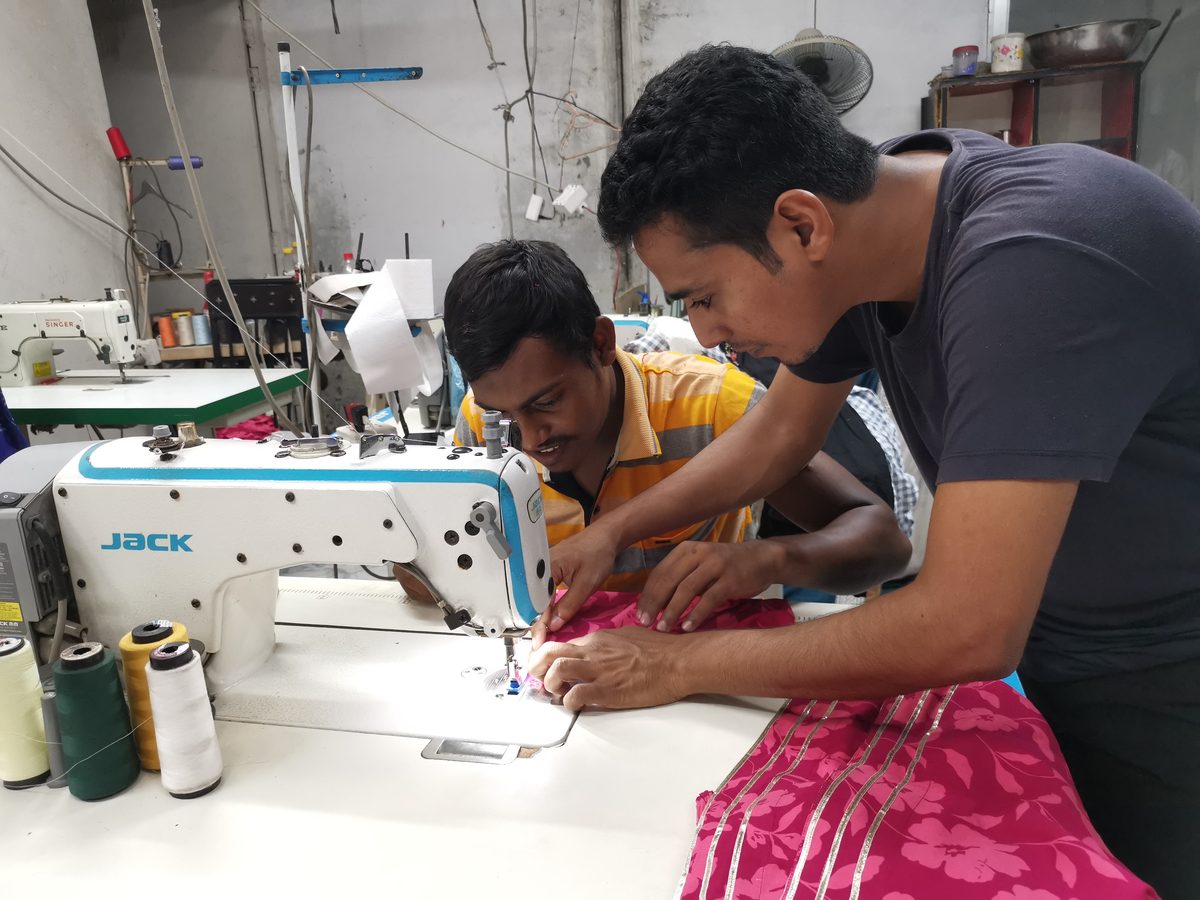
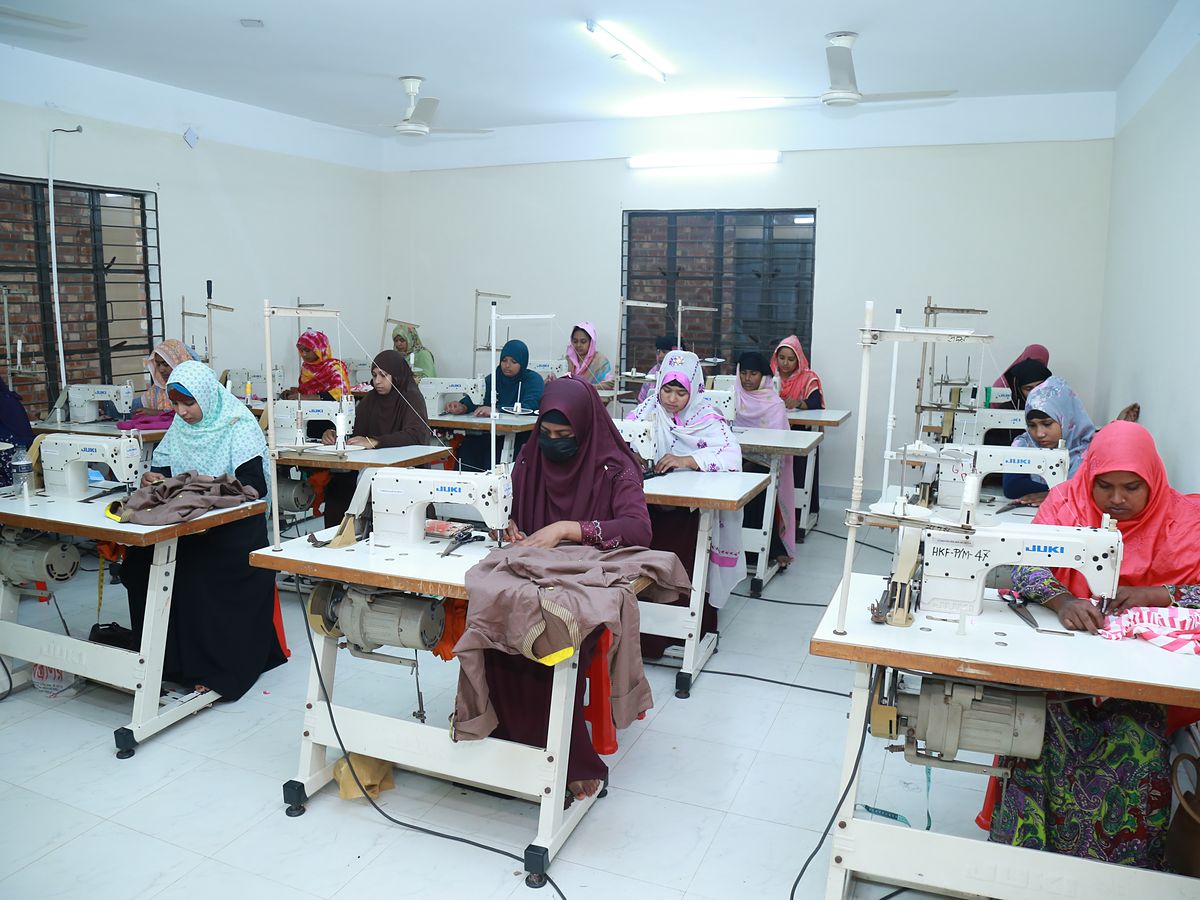
Bangladesh’s garment industry employs millions, but its workplaces are rarely accessible, and it produces large amounts of textile waste. DRRA’s community garment model brings production close to home and opens it to persons with disabilities and to women who have left factory work.
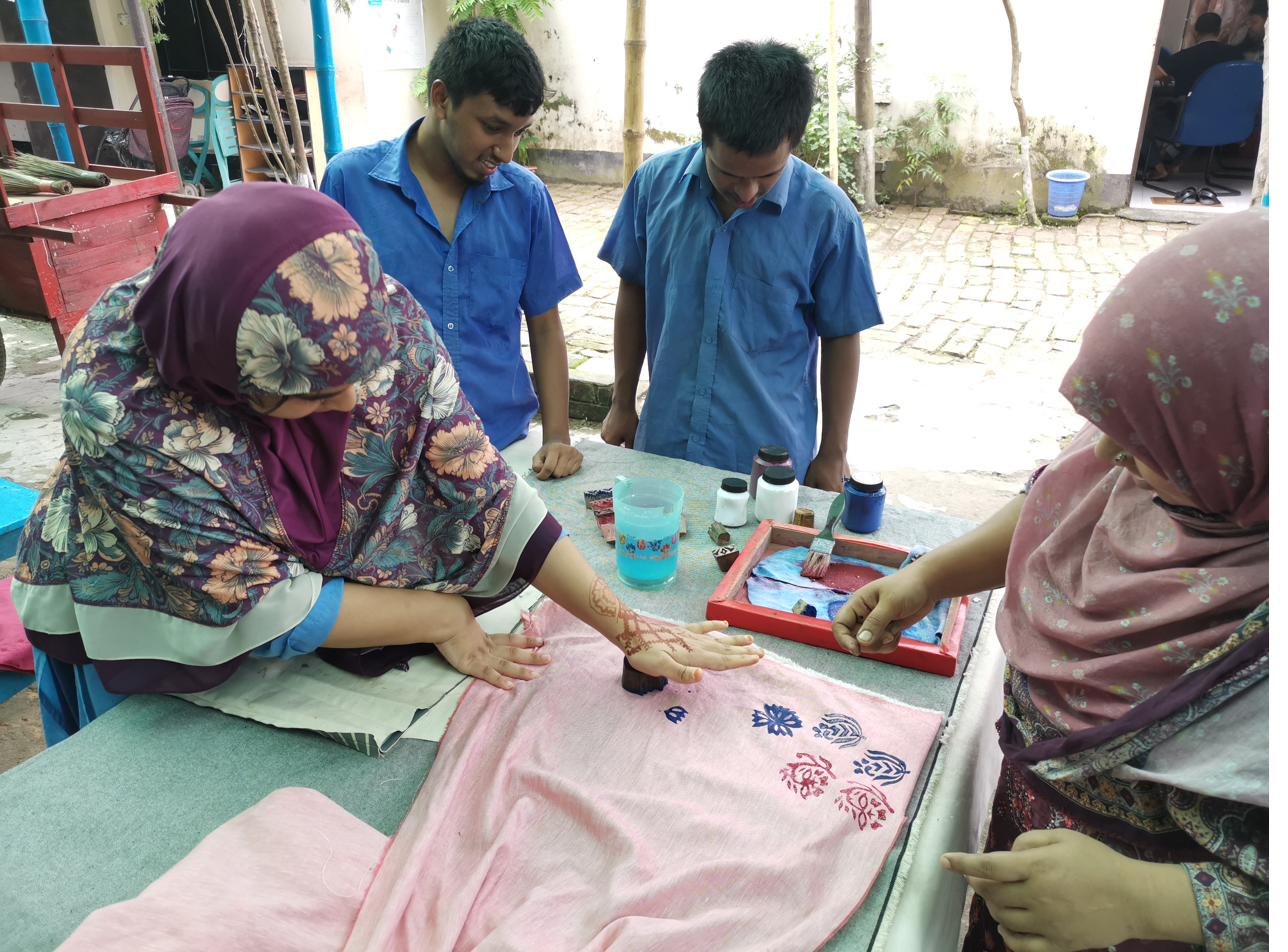
Trainees learn cutting, sewing, block printing and finishing in DRRA’s workshops, building on early work by trainees at Neela Centre in Dhaka. Their products are sold under Malancha, DRRA’s inclusive fashion brand, launched in December 2023 with a runway show at Amorjoti School where the students who made the clothes also modelled them.
- Co-ords, fusion kurtis, fatuas, panjabis, three-piece suits, totes and bags
- Sold through DRRA’s shop and a Bangladeshi retail partner; 100% of net proceeds fund the makers and this programme
- Solar panels installed at Neela Centre in 2025 added three working hours a day for the craft unit
- Next step: an inclusive circular-textiles pilot that turns garment off-cuts into quality products and accessible, decent jobs in Tongi, Gazipur (see Climate Justice & Response)
Enterprise built with communities
- 2008 · UDDOG and a bakeryDRRA supported the start-up of two enterprises.
- 2011 · Sundary Honey, SatkhiraAfter Cyclone Aila, an organisation of persons with disabilities turned honey collection into an enterprise involving more than 100 people, including 70 women with disabilities, by 2019.
- 2012 · Inclusive microfinance and the Ability CentreMicrofinance licensed by the MRA; the Ability Centre began producing assistive devices, engaging young people with neurodevelopmental disabilities.
- 2017 · Care Farm and Wheel TradeTwo further enterprises started.
- 2022 · SEIP partner training instituteRecognised skills training under PKSF’s SEIP programme.
- 2023 · MalanchaDRRA’s inclusive fashion brand, bringing disability inclusion, climate resilience and entrepreneurship together.
- 2026 onward · Standardised skills and employmentStandardised skill development and employment for persons with disabilities, inclusive fashion, AI automation and entrepreneurship.
What a follow-up study showed
In 2017 DRRA followed up 300 people who had completed livelihood training in Satkhira. Most were working, but fewer than a third were working in the trade they had trained for. Later programmes link training more closely to local demand and to finance.
- 79%of the 300 trainees were women
- 75%were engaged in an occupation
- 31%were working in the trade they trained for
Source: DRRA livelihood follow-up study, Satkhira, 2017. See the research library.
What this programme looks like, in practice