Home / Programmes / Climate Justice & Response
SDG 13 · Climate Action

Climate Justice & Response

Persons with disabilities have done the least to cause the climate crisis and are among the hardest hit by it. DRRA works with them and their organisations so that warnings, shelters, recovery and adaptation reach everyone, and so that climate decisions and climate finance include them.

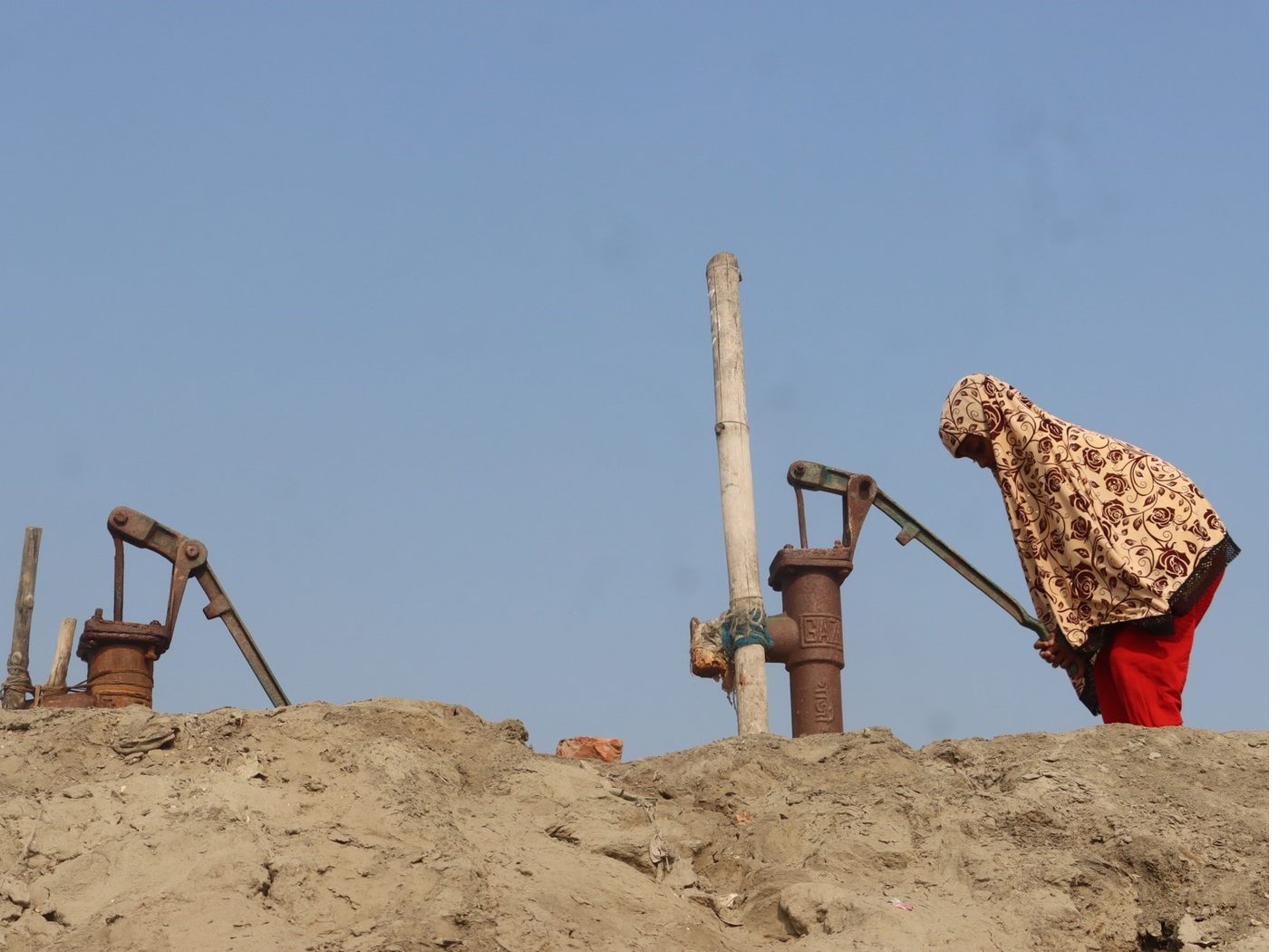
A woman pumps water from a hand pump set on a raised mound of earth under a clear sky
2007
DRRA first introduced disability-inclusive climate change adaptation
4
Climate hotspots where DRRA works directly: the coast, the floodplain, the garment belt and the city
6
Climate pilots ready to co-design with partners
Why it matters

Climate risk is rising. So is the cost of exclusion.

Bangladesh is one of the countries most exposed to climate change. Cyclones and storm surges strike the coast, floods and river erosion reshape the floodplains, and salinity, waterlogging and extreme heat are spreading. Persons with disabilities are among the least able to escape harm, and the most likely to be left out of warnings, shelters and recovery.

This is a question of justice. Bangladesh has contributed very little to global emissions, yet its people carry some of the heaviest costs, and within Bangladesh those costs fall hardest on persons with disabilities and the poorest households. Climate justice means that the people most affected have a say in decisions and a fair share of the money for adaptation and recovery.

Climate policy is starting to recognise this, but slowly. In 2025 only 35 national adaptation policies worldwide contained specific measures for persons with disabilities.

  • 84%of persons with disabilities surveyed worldwide had no personal disaster preparedness planSource: UNDRR Global Survey on Persons with Disabilities and Disasters, 2023
  • 86%had never been involved in community disaster planningSource: UNDRR Global Survey, 2023
  • 72%of national climate plans (NDCs) still made no mention of persons with disabilities in 2025Source: McGill DICARP, IDA and RIADIS, 2025
  • 1.5%of people targeted in Bangladesh’s 2022 flood response were persons with disabilities, against national estimates of 2.8–7.14%Source: Harvard Law School Project on Disability

When people are not counted, they are not reached.

How it works

The Climate Justice and Response model

DRRA’s model follows the whole disaster and climate cycle: preparing before a disaster, responding during it, recovering after it and adapting for the long term. At every stage, persons with disabilities and their organisations help assess risk, design plans and decide how money is spent, as the Sendai Framework and the Convention on the Rights of Persons with Disabilities (CRPD) require.

At the centre:persons with disabilities and their organisations (OPDs) help assess risk, design plans and decide how money is spent.
  1. 1 · Prepare

    Warnings that reach everyone

    Before a disaster
    • Early warnings in visual, SMS and vibration, sign-language, easy-read and voice formats
    • Personal preparedness and evacuation plans
    • Persons with disabilities on disaster management committees
  2. 2 · Respond

    No one left behind

    During an emergency
    • Assisted evacuation by trained volunteers
    • Accessible cyclone shelters
    • Relief and anticipatory cash that include households with persons with disabilities
  3. 3 · Recover

    Services and incomes bounce back

    After a disaster
    • Rehabilitation, therapy and assistive devices kept running
    • Livelihoods rebuilt, as with Sundary Honey after Cyclone Aila
    • Services for climate-displaced families
  4. 4 · Adapt

    Resilience for the long term

    Between disasters
    • Climate-resilient livelihoods and green skills
    • Solar resilience hubs and clean energy
    • Locally led adaptation finance within reach of OPDs

Lessons from each disaster feed the next round of preparedness

Three foundations at every stage

  • Count everyoneDisaggregate climate and disaster data by disability, sex and age, using the Washington Group questions, so that persons with disabilities are visible in plans and results.
  • Budget for accessibilityInclude accessibility and reasonable accommodation in every adaptation, energy and response budget, rather than adding them later.
  • Build it with usCo-design programmes with persons with disabilities and organisations of persons with disabilities (OPDs), and give them seats where decisions are made.
1 · Prepare

Warnings that reach everyone

Bangladesh’s Cyclone Preparedness Programme, with about 76,020 volunteers, is one of the world’s strongest early-warning systems, but warnings and shelters often fail to reach or serve persons with disabilities. DRRA makes warnings accessible in visual, SMS and vibration, sign-language, easy-read and voice formats, and maps, with consent, the people who will need support to evacuate. Each person with a disability is supported to make a personal preparedness and evacuation plan.

Persons with disabilities also take their seats on Union Disaster Management Committees, as the Standing Orders on Disaster 2019 intend. In Shyamnagar, DRRA’s CCDiDRM project built a census-based list of 568 persons with disabilities that cyclone teams now use.

2 · Respond

No one left behind

When a cyclone or flood strikes, the first hours decide who is safe. DRRA trains volunteers in assisted evacuation, audits cyclone shelters for accessibility and pushes for priority upgrades such as ramps, accessible toilets and safe spaces for women and girls with disabilities. Relief and anticipatory cash, paid before a forecast disaster hits, must include households with persons with disabilities, as the Rights and Protection of Persons with Disabilities Act 2013 requires.

3 · Recover

Services and incomes that bounce back

Recovery has to restore more than buildings. Power cuts, heatwaves and floods interrupt therapy and assistive-device services, and missed rehabilitation can mean lasting loss of function, so DRRA keeps its 127 rehabilitation centres running through continuity plans, outreach and tele-rehabilitation. Livelihoods are rebuilt too: after Cyclone Aila, an organisation of persons with disabilities in Satkhira turned honey collection into Sundary Honey, involving more than 100 people, including 70 women with disabilities, by 2019.

In Dhaka, Neela Centre serves children with disabilities in Vatara and Badda, where many families have been displaced by climate change from the coast and the floodplains.

4 · Adapt

Resilience for the long term

Between disasters, DRRA helps communities adapt so that the next shock does less harm. This means climate-resilient livelihoods and green skills for persons with disabilities, solar power for services and households, and adaptation money that reaches the community level. Solar panels installed at Neela Centre in 2025 added three working hours a day for the craft unit and save more than US$1,000 a year.

In line with the Principles for Locally Led Adaptation, DRRA works for decisions and funds to be held as close to communities as possible, through accessible community adaptation committees in which persons with disabilities have a real voice.

Where we work directly

Four places, four kinds of climate risk

DRRA works directly in four districts that together show how climate change affects persons with disabilities across Bangladesh, and through 44 local partner organisations in other districts.

South-west coast

Satkhira

Cyclones, storm surges, salinity and waterlogging. Home to DRRA’s longest-running disaster preparedness work, CCDiDRM in Shyamnagar and Sundary Honey.

Floodplain

Manikganj

Floods and river erosion that destroy homes, land and incomes. Focus for accessible flood warnings and resilience hubs.

Garment belt

Gazipur

Textile waste and factory jobs. Testing how the circular economy can create accessible, decent work.

City

Dhaka

Climate-displaced families in informal settlements, heat and crowding. Neela Centre serves children with disabilities in Vatara and Badda.

Our climate track record

Inclusion that has already worked on the ground

From the cyclone-hit coast to climate-displaced families in Dhaka, DRRA has shown that when persons with disabilities help design preparedness, energy and livelihoods, those systems work better for everyone.

2011 · Sundary Honey, Satkhira

After Cyclone Aila, an organisation of persons with disabilities started honey collection and farming. More than 100 people were involved by 2019, including 70 women with disabilities.

2013 · Inclusive disaster preparedness

Persons with disabilities brought into disaster preparedness in cyclone-prone Satkhira and Khulna.

2019–21 · CCDiDRM, Shyamnagar

A census-based baseline of 568 persons with disabilities. Members joined Union Disaster Management Committees, a ramp was installed at a Union Parishad and cyclone teams used the lists.

2022 · A voice at the UN

Part of Bangladesh’s delegation at the UN CRPD Committee review in Geneva; accredited to the CRPD Conference of States Parties.

2024–26 · Neela Centre, Dhaka

Services for children with disabilities in Vatara and Badda, where many families have been displaced by climate change. Solar panels (2025) added three working hours a day and save more than US$1,000 a year (May 2026).

2026 · DRRA at COP31

UNFCCC observer organisation (provisionally admitted), bringing six co-designed pilots and a policy brief to Antalya, 9–20 November 2026.

International and national standards

Built on agreed standards

The commitments to include persons with disabilities in climate action already exist, internationally and in Bangladesh. What is missing is practice. DRRA’s work turns these standards into warnings, shelters, services and budgets that people can use.

Standards DRRA builds on, what each says and how DRRA puts it into practice
StandardWhat it saysHow DRRA puts it into practice
International
Paris Agreement (2015), preambleParties should respect, promote and consider their human rights obligations, including the rights of persons with disabilities, when taking action on climate change.Disability inclusion is built into every adaptation and clean-energy pilot DRRA proposes.
UN Convention on the Rights of Persons with Disabilities (CRPD)Article 11: protection and safety in situations of risk, including natural disasters. Also Article 9 (accessibility), Article 27 (work) and Article 32 (international cooperation).Accessible warnings, shelters and workplaces; inclusive green jobs; partnerships with international funders.
Sendai Framework for Disaster Risk Reduction 2015–2030, para. 36(a)(iii)Persons with disabilities and their organisations are critical in assessing disaster risk and in designing and implementing plans.Persons with disabilities on Union Disaster Management Committees; OPDs as co-leads of every pilot.
Charter on Inclusion of Persons with Disabilities in Humanitarian Action (2016) and IASC Guidelines (2019)Humanitarian action must be non-discriminatory, remove barriers, involve persons with disabilities and their organisations, and collect data disaggregated by disability.Assisted evacuation, accessible shelters, inclusive relief and anticipatory cash, and disaggregated beneficiary lists.
UN Early Warnings for All initiativeEveryone on Earth should be protected by early warning systems by the end of 2027.Multi-format, accessible warnings delivered with Cyclone Preparedness Programme volunteers.
Principles for Locally Led AdaptationDevolve decisions to the lowest appropriate level, address structural inequalities including disability, and provide patient, predictable funding.Accessible community adaptation committees and a small-grants facility for community micro-projects.
Washington Group questions and the Global Goal on AdaptationA standard way to identify disability in data; COP30 adopted adaptation indicators with suggestions for disaggregation.Disability-disaggregated baselines and results in every project.
Bangladesh
Rights and Protection of Persons with Disabilities Act 2013Persons with disabilities must be given priority in disaster relief and recovery.Monitoring that relief and recovery lists include persons with disabilities.
Disaster Management Act 2012 and Standing Orders on Disaster 2019Local disaster management committees must identify people at heightened risk because of disability, share alerts with them and help them evacuate.Census-based lists of persons with disabilities used by cyclone teams; members on committees.
National Plan for Disaster Management 2021–2025Recognises that persons with disabilities are often overlooked and calls for more inclusive risk management.Evidence and models from Satkhira and Manikganj shared with government.
National Adaptation Plan 2023–2050, Renewable Energy Policy 2025 and the forthcoming National Circular Textile StrategyNational frameworks for adaptation, clean energy and the circular economy.Advocacy for disability-disaggregated reporting, inclusive energy access and inclusive employment in each.
Policy brief · COP31

Five recommendations

DRRA’s COP31 policy brief, Making climate action work for everyone, sets out five recommendations for governments, climate funds, the private sector and civil society.

  1. Count everyone in adaptation dataDisaggregate the Global Goal on Adaptation indicators, early warning and climate-fund results by disability, sex and age, using the Washington Group questions.
  2. Make climate finance reach persons with disabilitiesBudget lines for accessibility and reasonable accommodation; inclusion as a review criterion; simplified access for OPDs and local disability-inclusive organisations as adaptation finance is scaled up.
  3. Make early warning and anticipatory action accessibleMultiple warning formats, accessible shelters, assisted evacuation, and households with persons with disabilities included in anticipatory cash.
  4. Make the just transition and circular economy create accessible, decent workInclusion targets in green-skills and jobs programmes; accessible, safe workplaces in circular sectors; procurement that rewards inclusive suppliers.
  5. Keep health, rehabilitation and assistive technology runningInclude rehabilitation and assistive technology in health adaptation plans and climate-resilient facility standards: reliable power, cooling, flood-proofing and continuity plans.
Partner with us

Six pilots, ready to co-design

Each pilot builds on DRRA’s existing work and matches an official COP31 thematic day. Reach figures in the concept sheets are proposed targets, not results, and budgets are indicative ranges to be re-costed with partners.

  1. Accessible early warning and anticipatory action

    Accessible warnings, preparedness plans and shelter upgrades in Satkhira and Manikganj.

    COP31: Thu 12 Nov · Wed 18 Nov
  2. Climate-resilient rehabilitation and health

    Keeping rehabilitation and assistive technology running through heat, floods and power cuts.

    COP31: Mon 9 Nov
  3. Solar resilience hubs and clean energy

    Accessible, solar-powered hubs and household energy for persons with disabilities.

    COP31: Tue 10 Nov
  4. Climate-resilient livelihoods and green skills

    Resilient incomes, green skills and youth enterprise.

    COP31: Sat 14 Nov
  5. Inclusive circular textiles

    Turning garment off-cuts into quality products and accessible, decent jobs in Tongi, Gazipur.

    COP31: Wed 11 Nov · Mon 16 Nov
  6. Climate justice and locally led adaptation

    Leaders with disabilities on local committees, and adaptation money within their reach.

    COP31: Fri 13 Nov · Wed 18 Nov
Meet us at COP31

Let’s build it together

DRRA’s three-person delegation is in Antalya, Türkiye, from 9 to 20 November 2026 to meet partners who will count persons with disabilities, budget for accessibility and co-design pilots with us in Bangladesh.

In the field

What this programme looks like, in practice

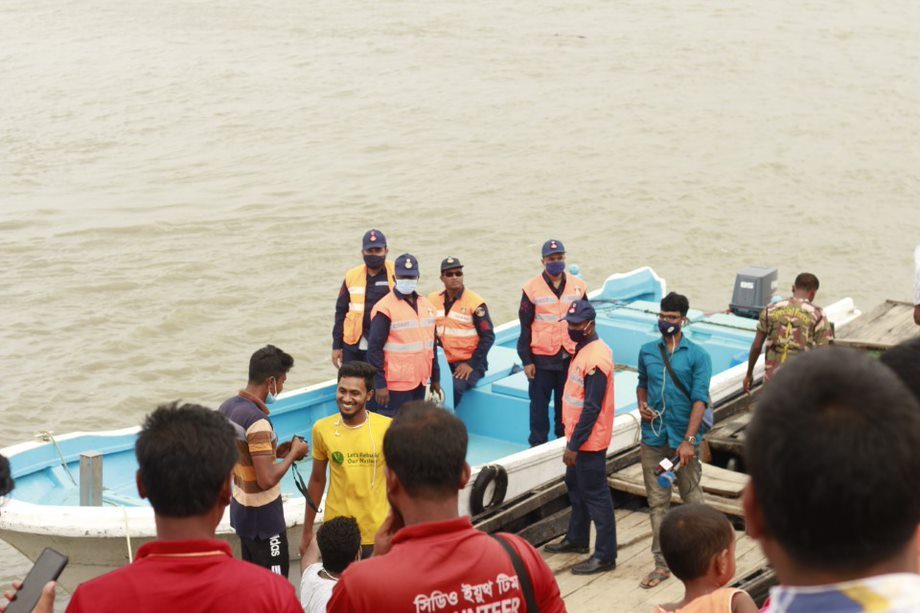
Young volunteers in red T-shirts talk with rescue workers in life jackets beside a boat on a river
Volunteers and rescue teams on the river
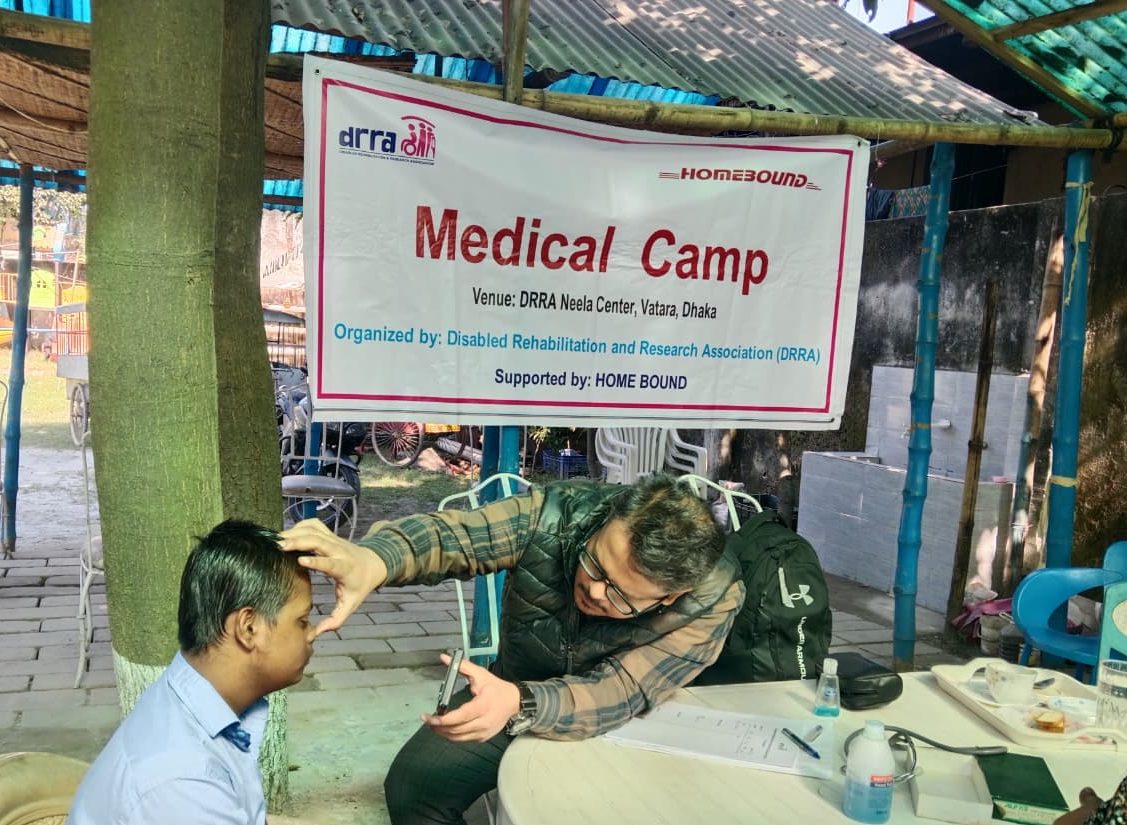
A doctor examines a young man at a DRRA medical camp at Neela Centre, Vatara, Dhaka
Medical camp at Neela Centre, Dhaka
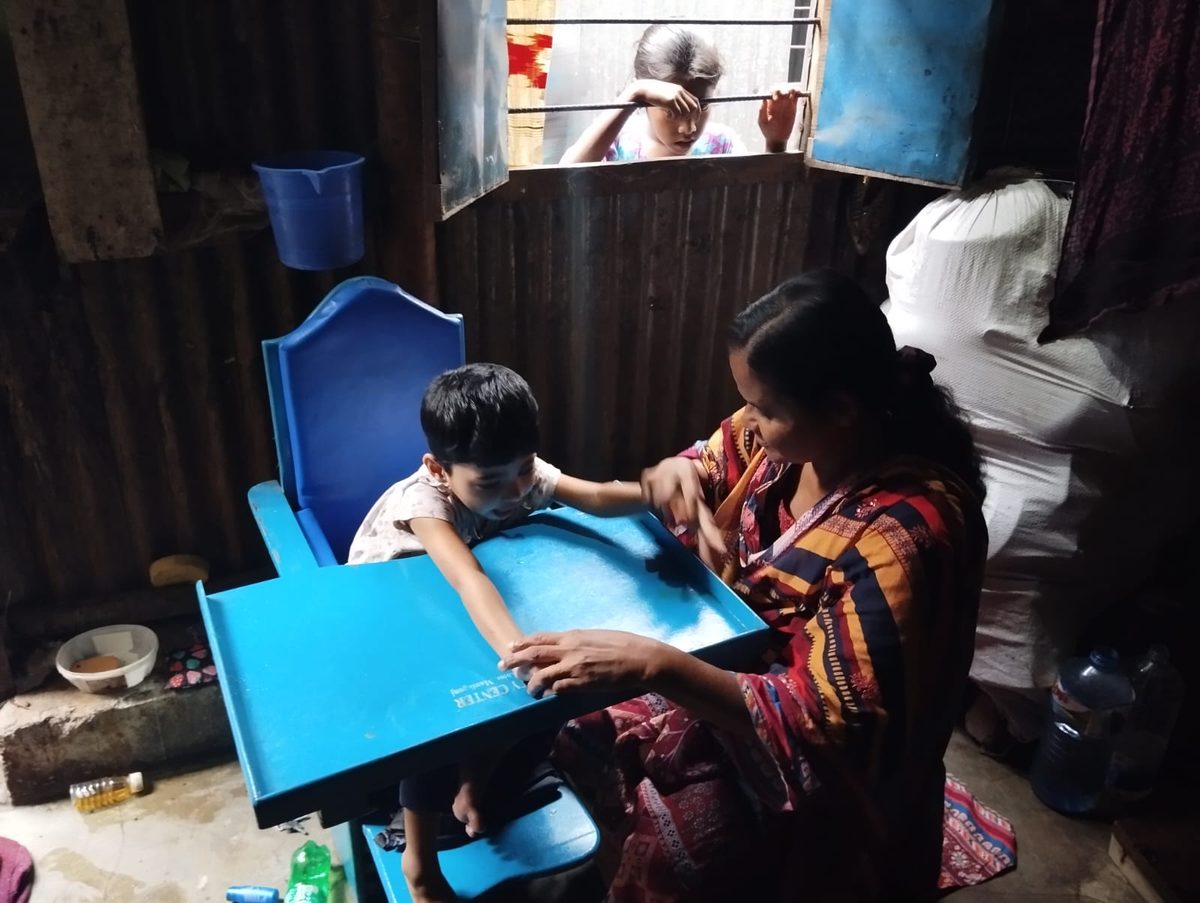
A woman sits beside a child in a blue supportive chair inside a dimly lit home
Community outreach at home
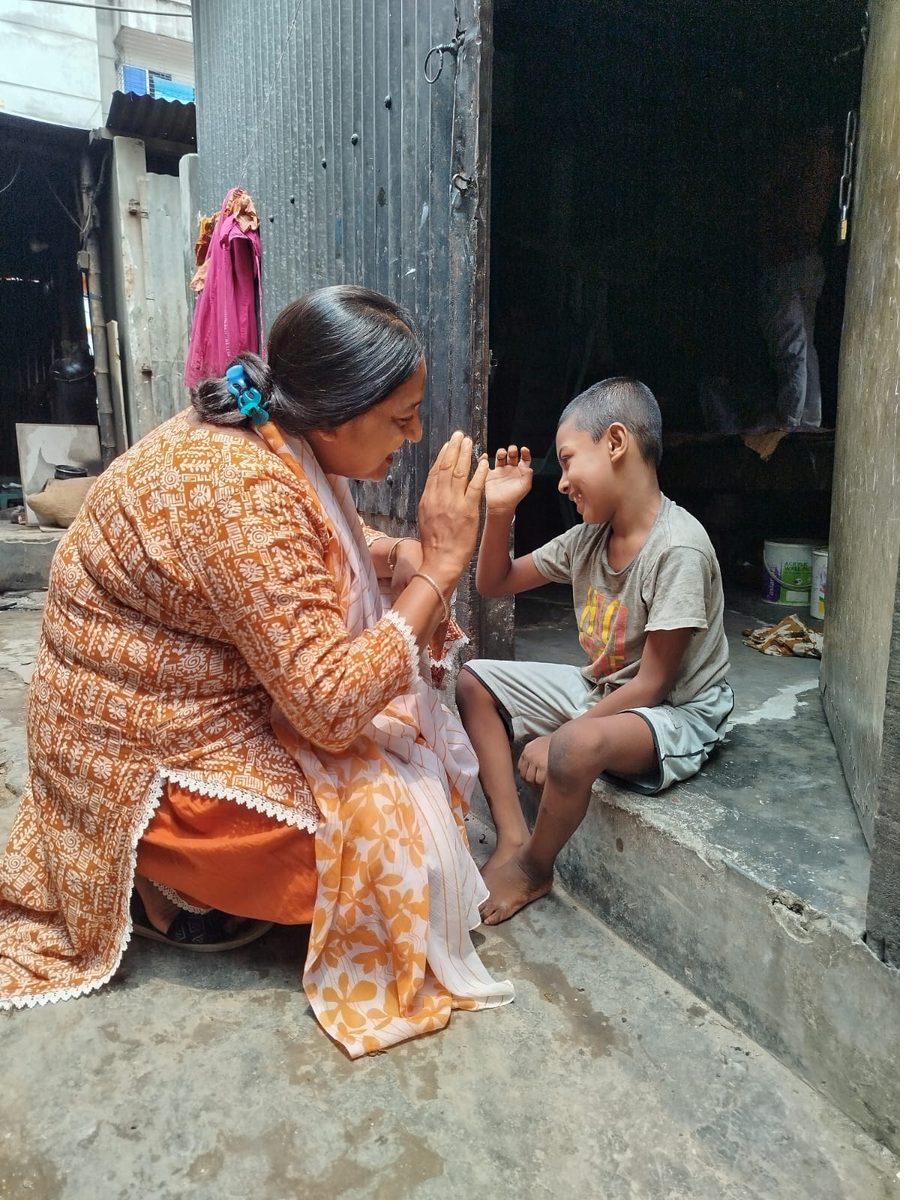
A woman and a smiling boy play a clapping game in the doorway of a tin-walled home
At home in an informal settlement
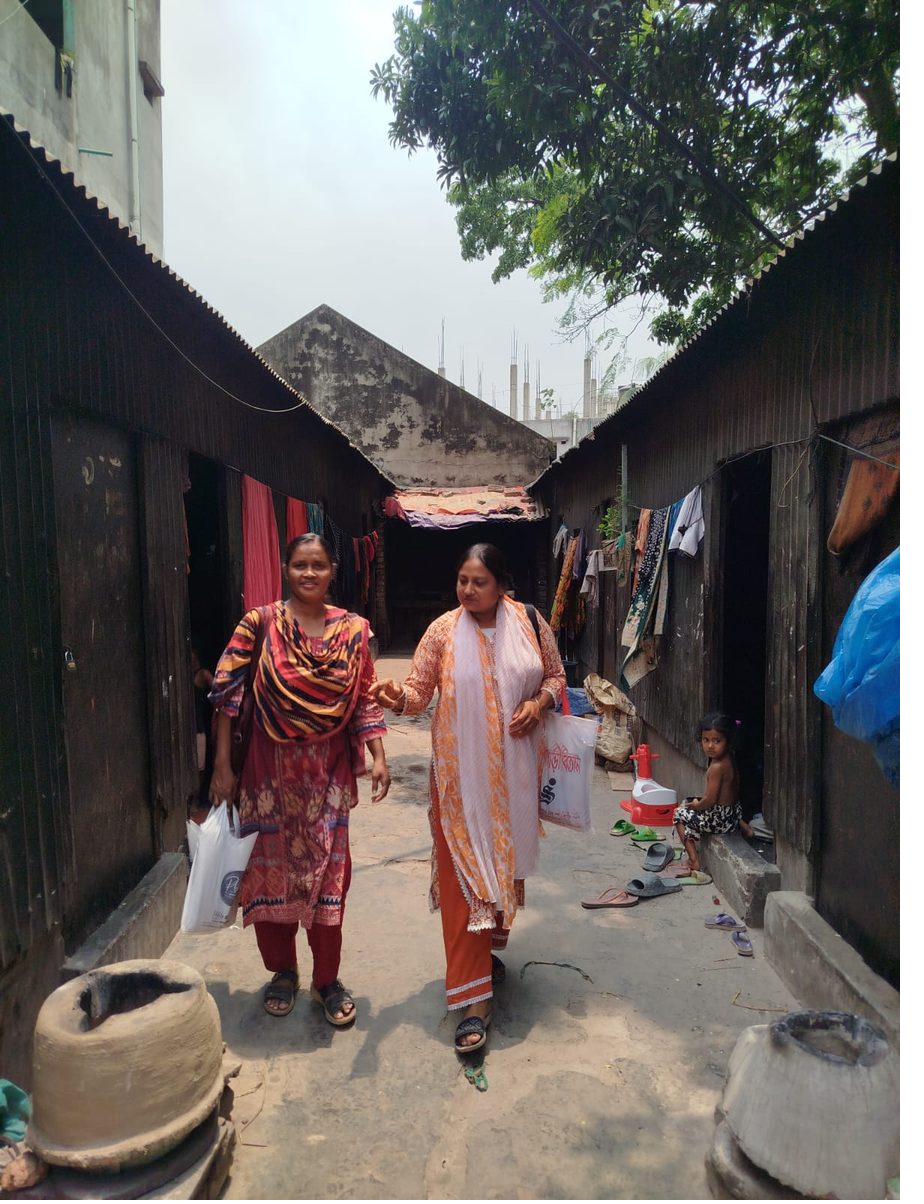
Two women walk together down a narrow lane between tin houses
In the lanes of an informal settlement
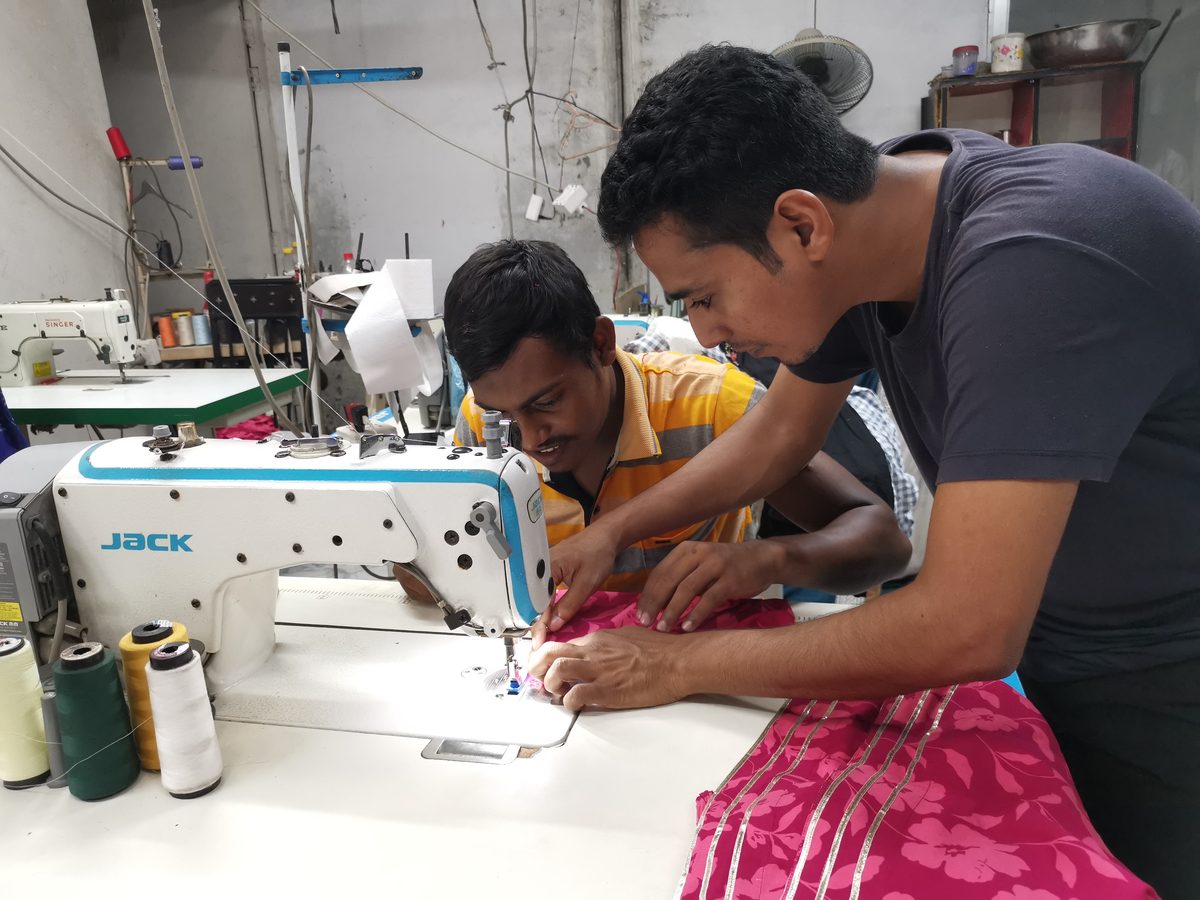
A trainer guides a young man as he sews fabric on an industrial sewing machine
Garment skills for decent work
Where funding goes

What a gift to this programme can support

Indicative amounts. DRRA confirms current costs when a gift is designated.

$5,000–15,000
One community adaptation micro-project, chosen and run by a community committee that includes persons with disabilities