Home / Programmes / Women Empowerment
SDG 5 · Gender Equality

Women Empowerment

Empowering women. Advancing equality. Building an inclusive society.

Women and girls with disabilities claim their rights, use the services they need, earn their own income, stay in education and lead their own organisations.

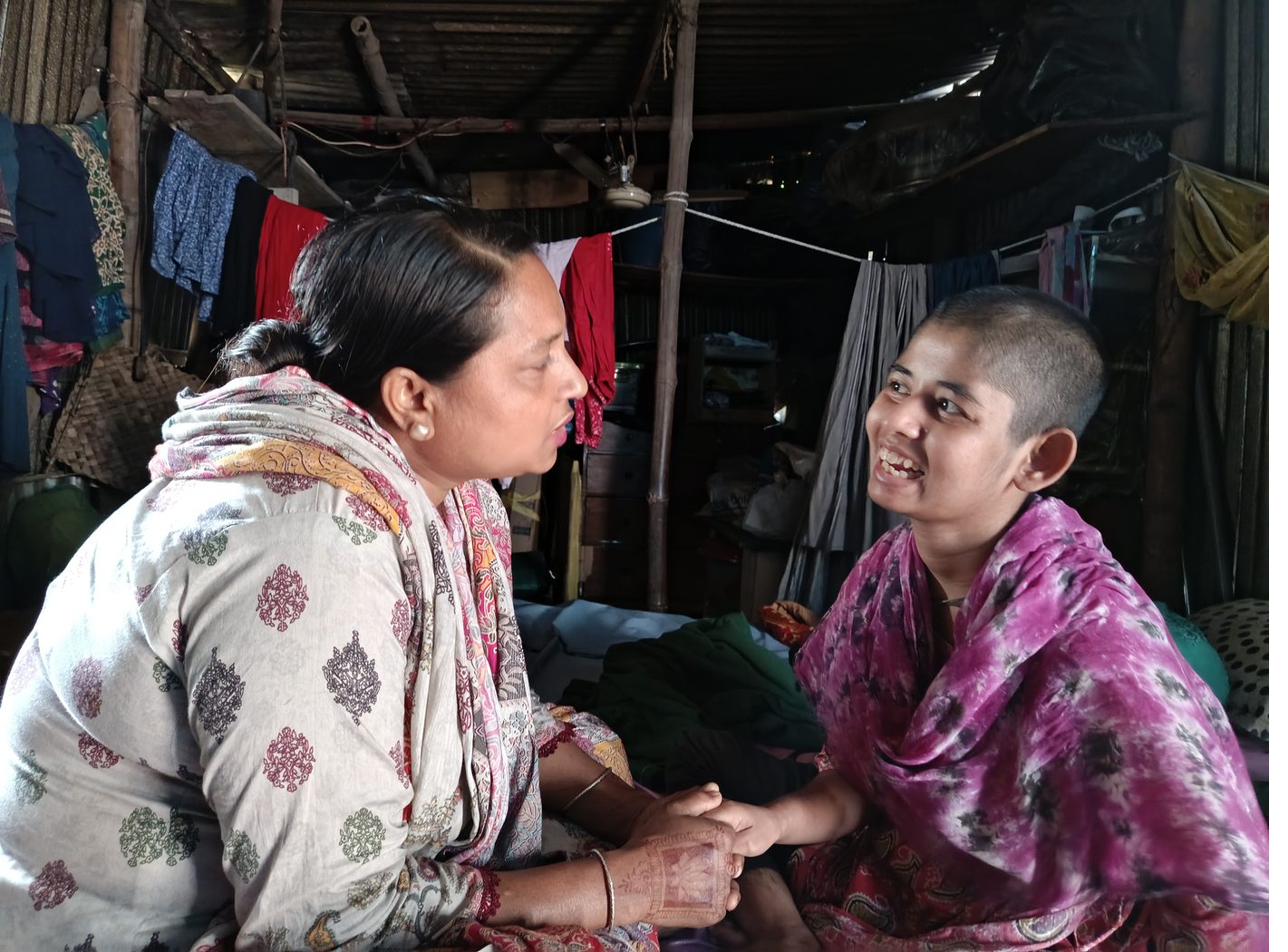
Two women hold hands and smile as they talk together inside a home
Challenges

Excluded twice over

Women and girls with disabilities face discrimination both as women and as persons with disabilities. Article 6 of the UN Convention on the Rights of Persons with Disabilities recognises that they are subject to multiple discrimination. In Bangladesh this often means missing school, having no income of their own, being left out of health services and being more exposed to violence.

DRRA promotes women’s empowerment by strengthening women’s rights, leadership, economic independence and participation in decision-making. Through skills development, vocational training, entrepreneurship, access to financial services, livelihood opportunities and social business initiatives, we support women to build sustainable incomes and greater control over their lives.

We place particular emphasis on women with disabilities and women from marginalised communities, addressing barriers to education, employment, mobility and social participation. By working with families, communities, local institutions and government stakeholders, DRRA strives to create an inclusive environment where every woman can exercise her rights, realise her potential and contribute meaningfully to society.
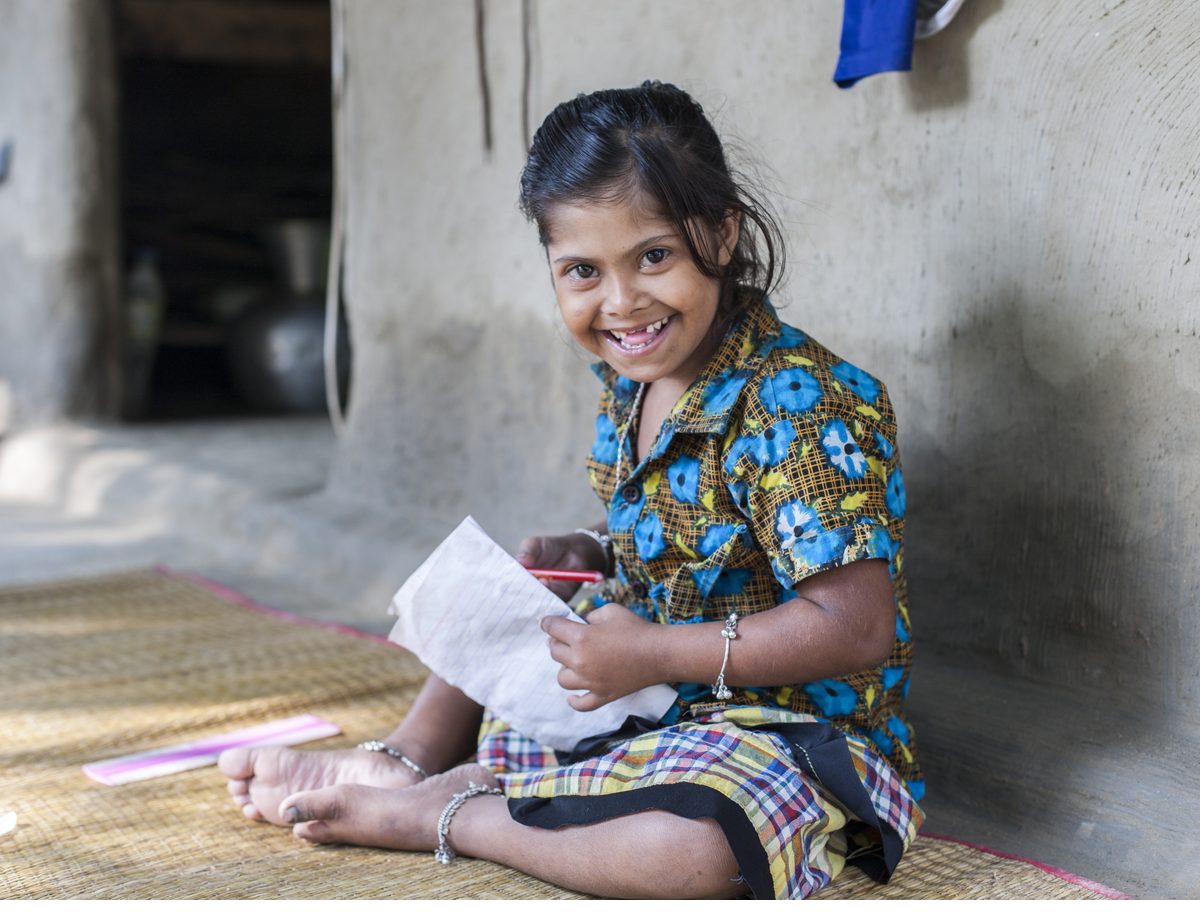
A smiling girl sits on a mat outside her home, writing on a sheet of paper
Learning at home
  • 56%were completely unaware of menstruation
  • 15%maintained menstrual hygiene
  • 60%were unaware of the risks of early marriage
  • 69%did not receive the government disability allowance

Source: DRRA’s KISHORI (Knowledge on Inclusive Sexuality and Health) baseline, a survey of 1,400 adolescent girls with disabilities aged 10 to 19 in Jashore and Satkhira, March to August 2019.

In DRRA’s 2018 study with Banchte Shekha, none of the girls with disabilities or their mothers interviewed knew the national helpline 109 for women and children facing violence.
How we work

Seven standard steps

Every women’s group DRRA supports follows the same steps, from first contact to leadership. Each step builds on the one before it.

  1. ReachWomen and girls with disabilities are identified with organisations of persons with disabilities (OPDs), community workers and local government, and asked what they need.
  2. OrganiseThey come together in self-help groups, which grow into women-headed OPDs.
  3. Know your rightsMembers learn their rights under the UN Convention, CEDAW and the Rights and Protection of Persons with Disabilities Act 2013.
  4. Use servicesEach woman and girl is linked to SRHR, WASH, legal support, digital literacy and social protection.
  5. EarnAsset transfer, livelihood training and entrepreneurship turn skills into an income of her own.
  6. LearnScholarships, non-formal education and girls-friendly schools keep girls learning.
  7. LeadWomen-headed OPDs speak with service providers and local government, and take seats on local committees.
In Satkhira, one self-help group went to a hospital to hold staff to account after a pregnant woman with disabilities was ignored by doctors. She then received proper treatment. Members of other groups have joined Union Disaster Management Committees. (DRRA research, Disability, Disaster and Empowerment, 2015)
Foundation

Rights-based activity

Everything rests on rights. Since 2009 DRRA has worked to put the UN Convention on the Rights of Persons with Disabilities (UNCRPD) into practice for women and girls, alongside the Convention on the Elimination of All Forms of Discrimination against Women (CEDAW).

  • UNCRPD Article 6Women with disabilitiesRecognises multiple discrimination and requires measures so that women and girls with disabilities enjoy all rights fully and equally.
  • UNCRPD Article 7Children with disabilitiesGirls and boys with disabilities enjoy all rights equally with other children, with their best interests first and a say in matters that affect them.
  • UNCRPD Article 9AccessibilityEqual access to buildings, transport, information, communication and services open to the public.
  • CEDAW Article 9NationalityEqual rights for women to acquire, change or keep their nationality, and to pass it on to their children.
  • CEDAW General Recommendation No. 19Violence against womenGender-based violence is a form of discrimination that seriously limits women’s ability to enjoy their rights and freedoms.

Women-headed OPDs

Women-headed organisations of persons with disabilities (OPDs) are at the centre of the work. Run by women with disabilities, they grow out of self-help groups, raise their members’ concerns with service providers and local government, and increasingly raise funds and run projects of their own. DRRA has supported women leaders in disability and rehabilitation since 2013.

Pillar 1

Service delivery

Mainstream services often overlook women and girls with disabilities. DRRA makes services accessible to them and links each woman and girl to the services she needs.

Inclusive SRHR

Sexual and reproductive health and rights information and services that girls and women with disabilities can understand and use. The KISHORI project and DRRA’s 2018 study with Banchte Shekha mapped needs and services, and DRRA helped develop a standard operating procedure on disability-inclusive family planning in 2020.

Inclusive WASH

Water, sanitation and hygiene facilities that women and girls with disabilities can reach and use with privacy and safety, including for menstrual hygiene at home and at school.

Legal support

Help to report violence and discrimination and to seek justice, through Union Parishads, One-Stop Crisis Centres, women’s affairs officials and the national helpline 109.

Gender-sensitive digital literacy

Training in using mobile phones and the internet safely, designed around women’s needs, so that women and girls with disabilities can find information, reach services and run their businesses.

Social protection schemes

Help to obtain a disability identification card and to enrol in government schemes such as the disability allowance and the maternity allowance.

Pillar 2

Economic empowerment

An income of her own gives a woman a stronger voice at home and in her community. DRRA combines three approaches, linked to its four models for economic inclusion.

Asset transfer

A productive asset, chosen with each woman to match her skills and the local market, gives her a real start towards earning.

Livelihood

Trade-based skills training, group savings in self-help groups, and links to microfinance and government services, through models such as JIBIKA.

Entrepreneurship

Women build enterprises around local products: Sundary Honey in Satkhira, which involved 70 women with disabilities by 2019; Bangla Ma; and Malancha, a clothing brand for the products of DRRA’s community garment model.

Pillar 3

Education

Girls with disabilities often miss out on school, especially when cost, distance or menstruation get in the way. DRRA helps them enrol, stay and succeed.

Girls’ scholarships

Scholarships cover school costs so that girls with disabilities can enrol and stay in school.

Non-formal education

Community Learning Centres offer non-formal inclusive education, life skills and pre-vocational training for girls and young women who are out of school. DRRA’s 2021 analysis of the Non-Formal Education Act 2014 recommended how to make non-formal education accessible.

Girls-friendly schools and dignity kits

Schools with private, accessible toilets and menstrual hygiene support, and dignity kits with menstrual and personal hygiene items, so that girls do not have to miss school during their periods.

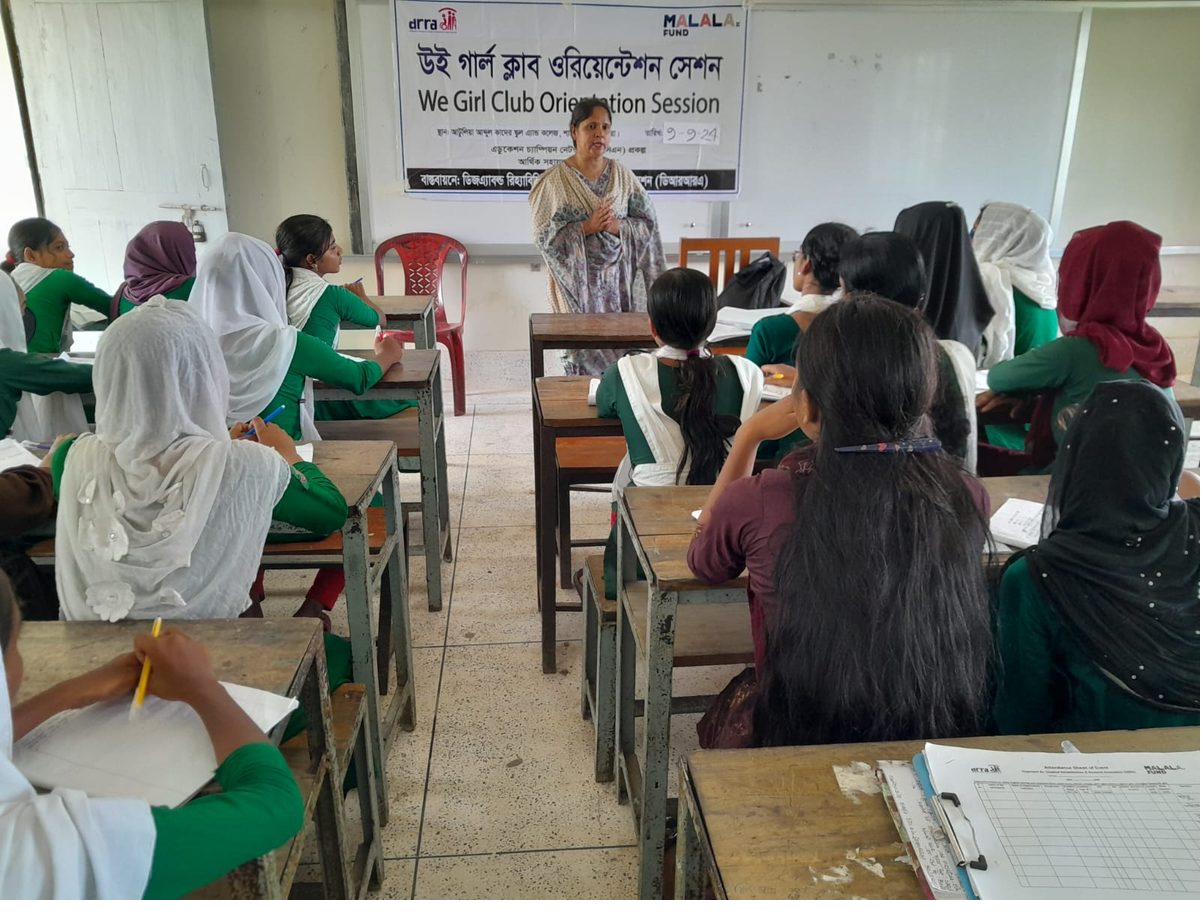
As a Malala Fund Education Champion from 2023, DRRA’s founder leads work to bring out-of-school girls back into education, including through We Girl Clubs. See Inclusive Education & Lifelong Learning.
In the field

What this programme looks like, in practice

Schoolgirls sit at desks as a facilitator leads a We Girl Club orientation session
We Girl Club orientation session
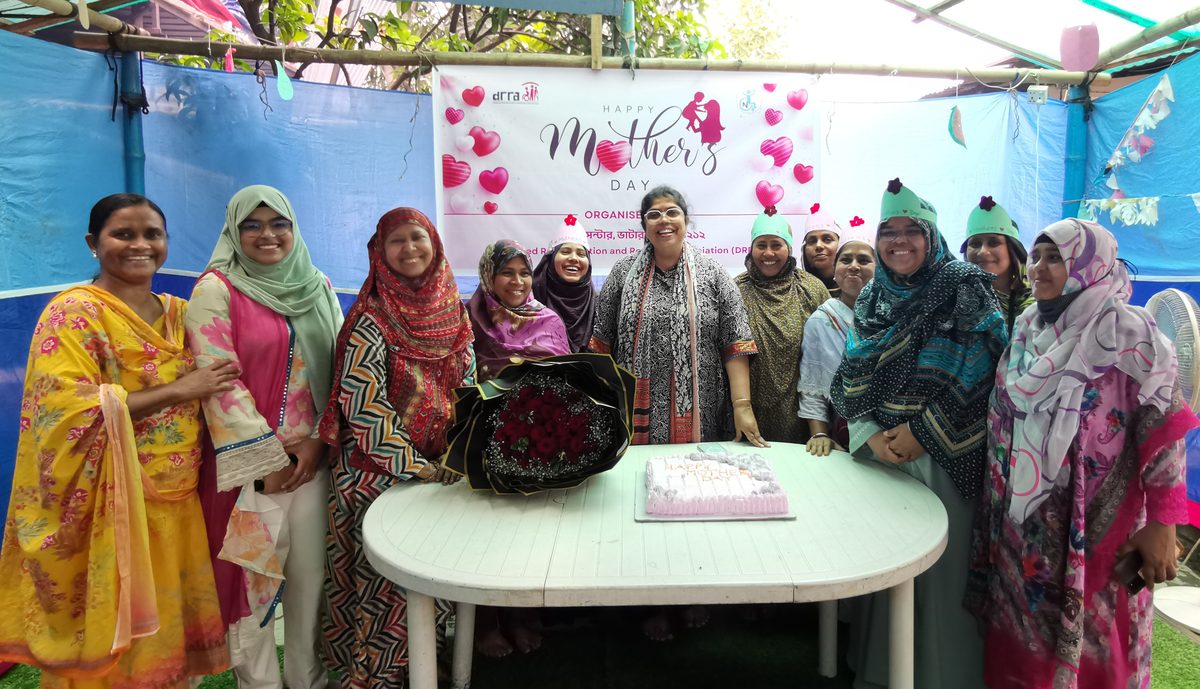
A group of women stand around a table with a cake and flowers at a Mother’s Day event at Neela Centre
Mother’s Day at Neela Centre
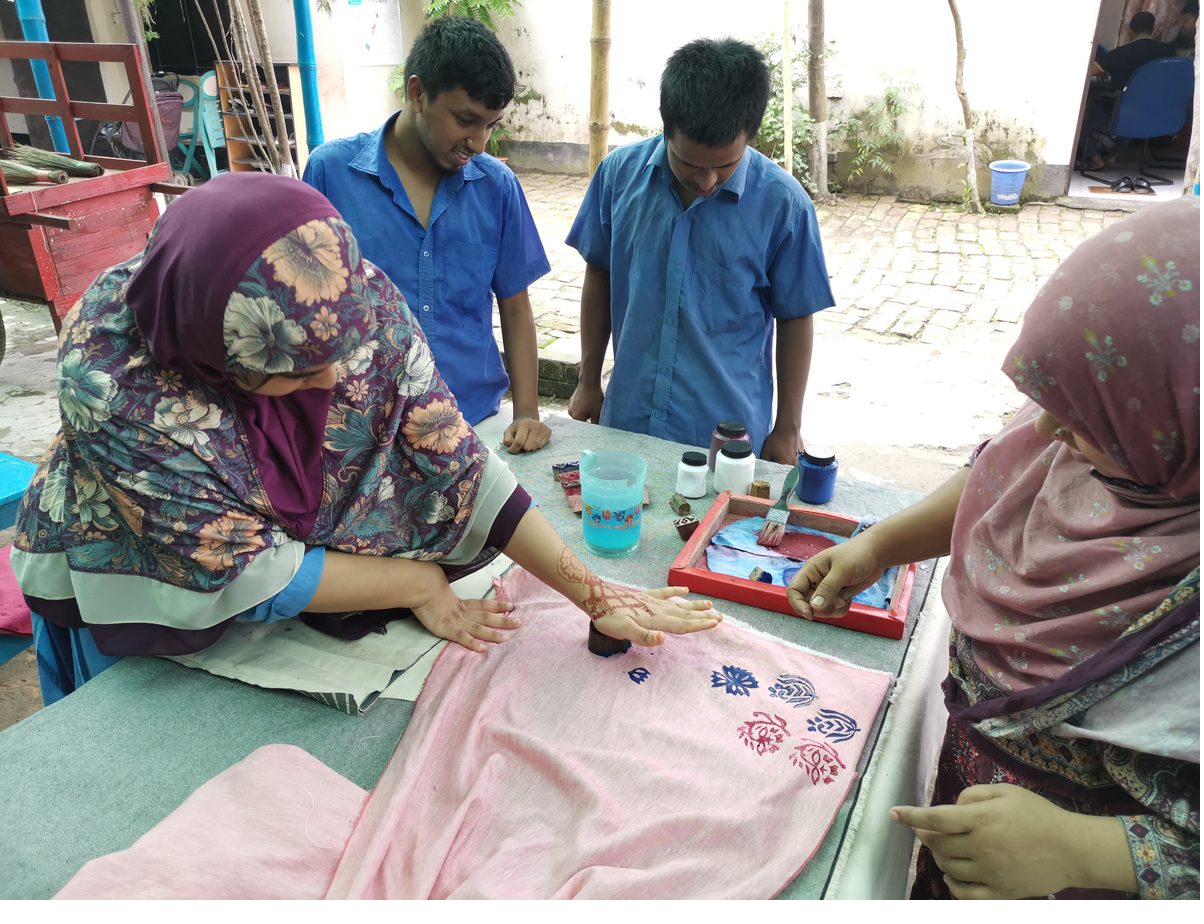
Women block-print a flower pattern onto pink fabric as two young men watch
Block printing on fabric
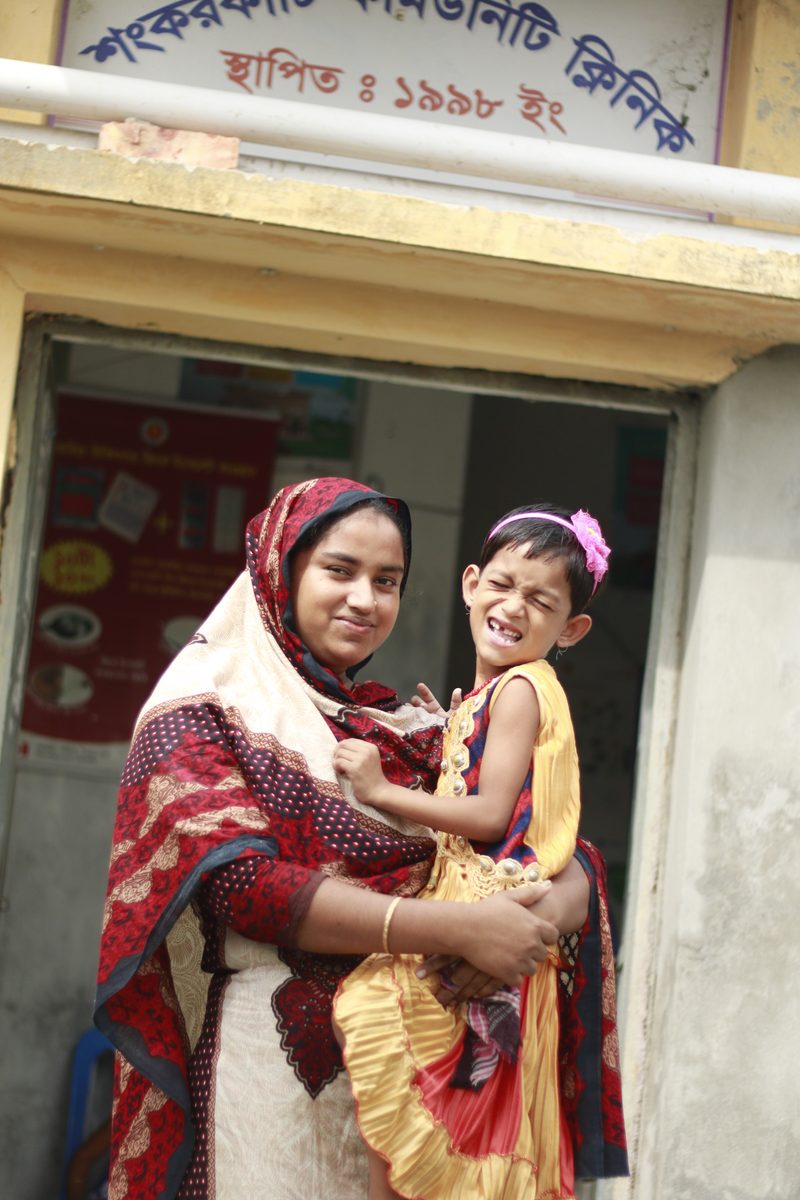
A mother holds her smiling young daughter in the doorway of a community clinic
At the community clinic
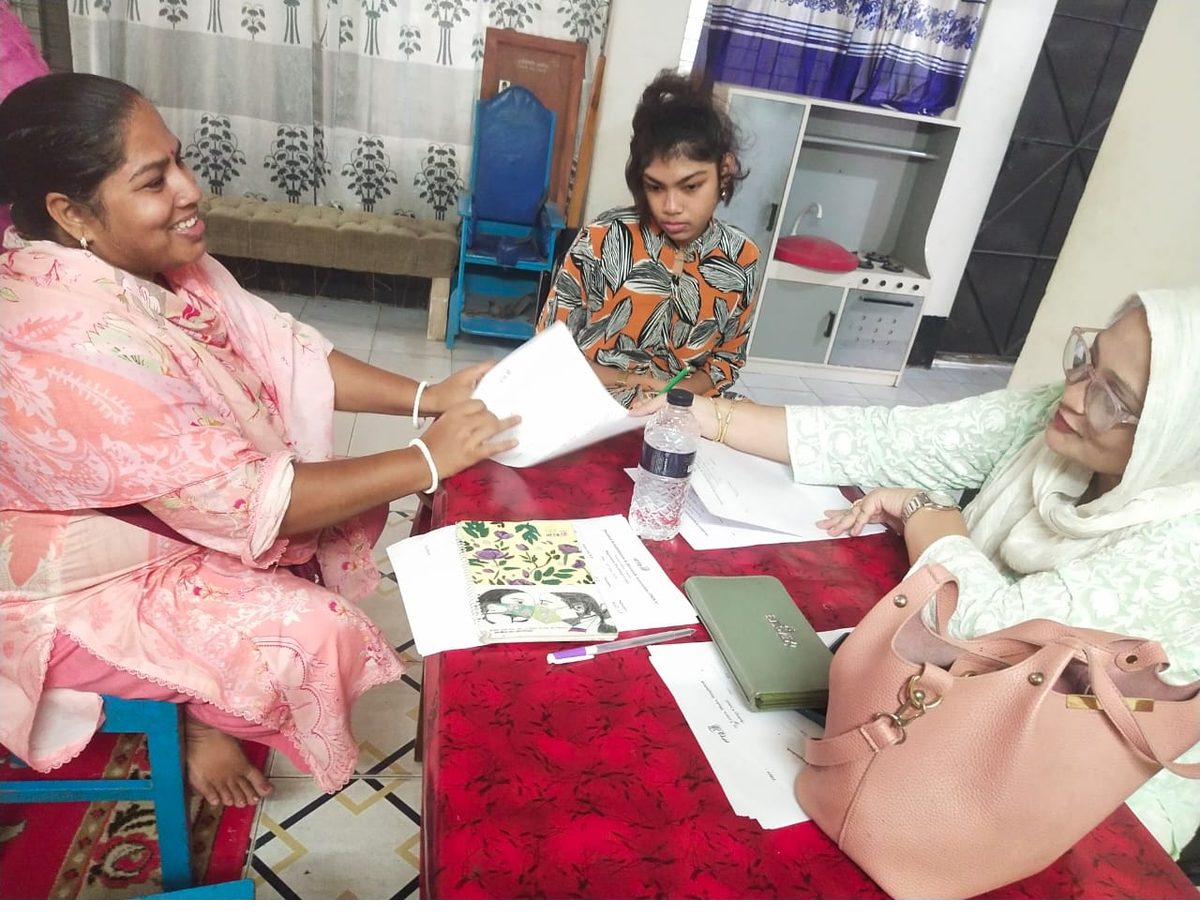
Two women talk over papers at a table while a young woman sits beside them
Talking things through
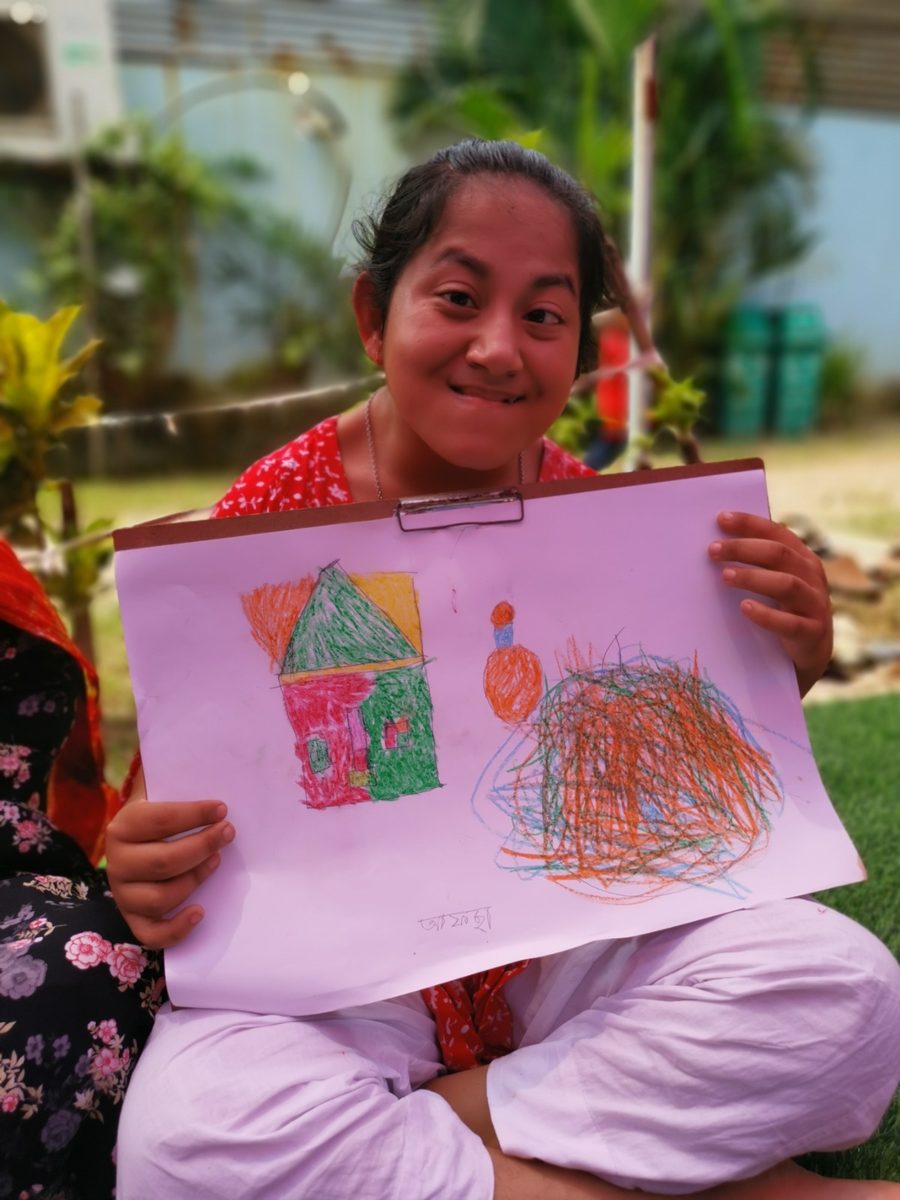
A young woman smiles as she holds up a colourful drawing of a house
Proud of her drawing
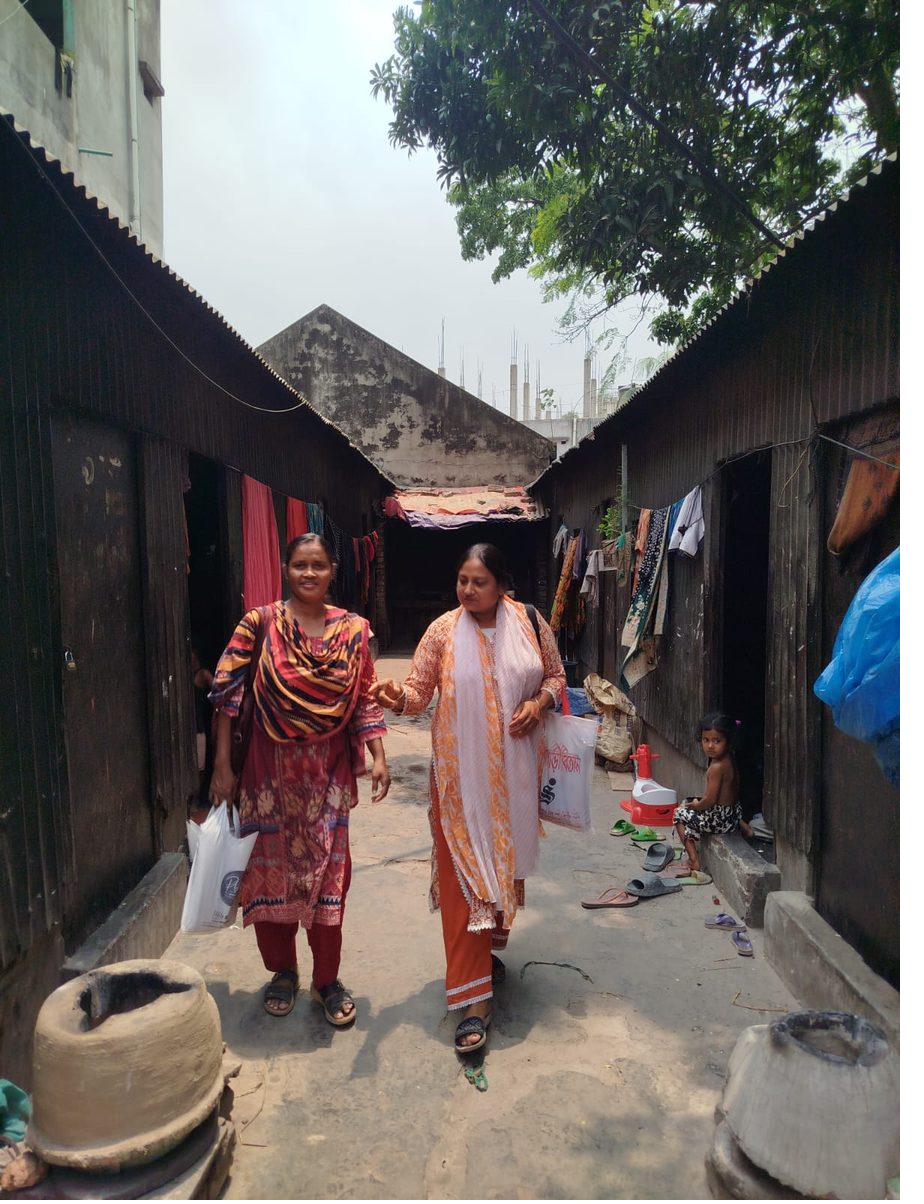
Two women walk together down a narrow lane between tin houses
In the lanes of an informal settlement
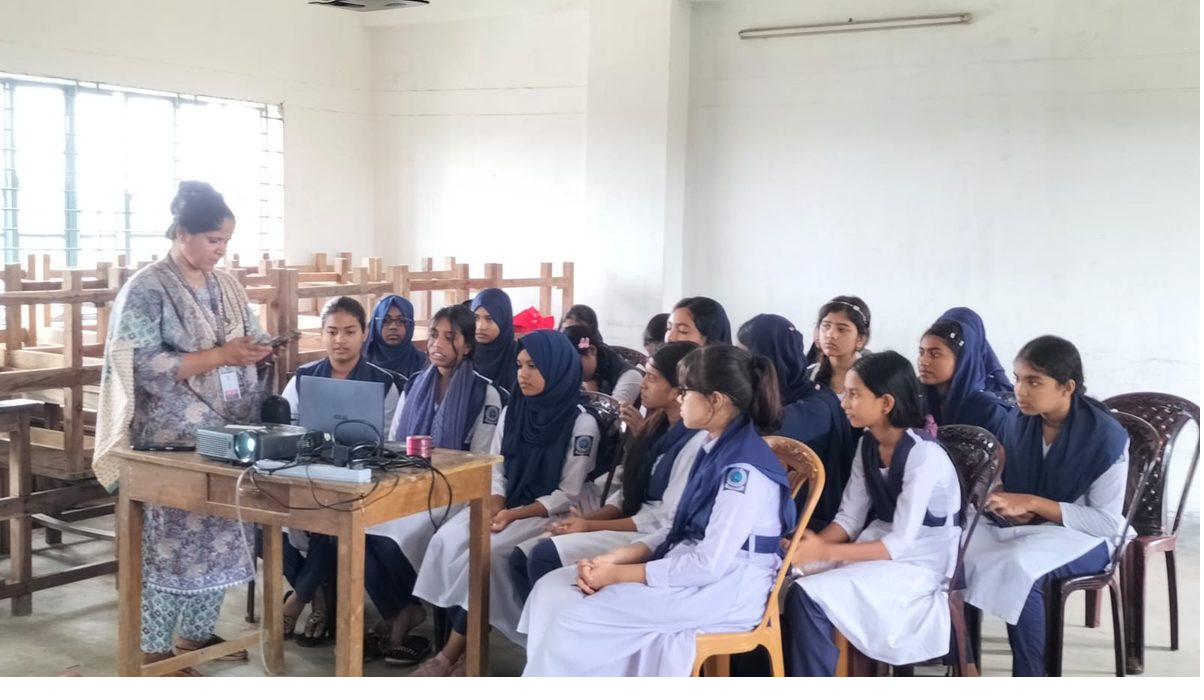
Secondary school girls in uniform sit in a row as a facilitator leads a session with a projector
A session with secondary school girls