Parents and family members
- Prepare and share traditional and locally available foods
- Support food-related activities
- Create joyful experiences for children
Nourishing lives, inspiring learning and celebrating together
At DRRA, food is more than a source of nutrition—it is an opportunity for joy, celebration, learning, therapy and social interaction towards independent living for children with disabilities.
DRRA’s Food Support Programme aims to ensure access to safe, nutritious and balanced food for children and young people with disabilities participating in its residential rehabilitation and centre-based education programmes. The programme recognises that proper nutrition is fundamental to children’s physical, intellectual and cognitive growth. It is also part of activities in daily living, participation in education and sensory development.
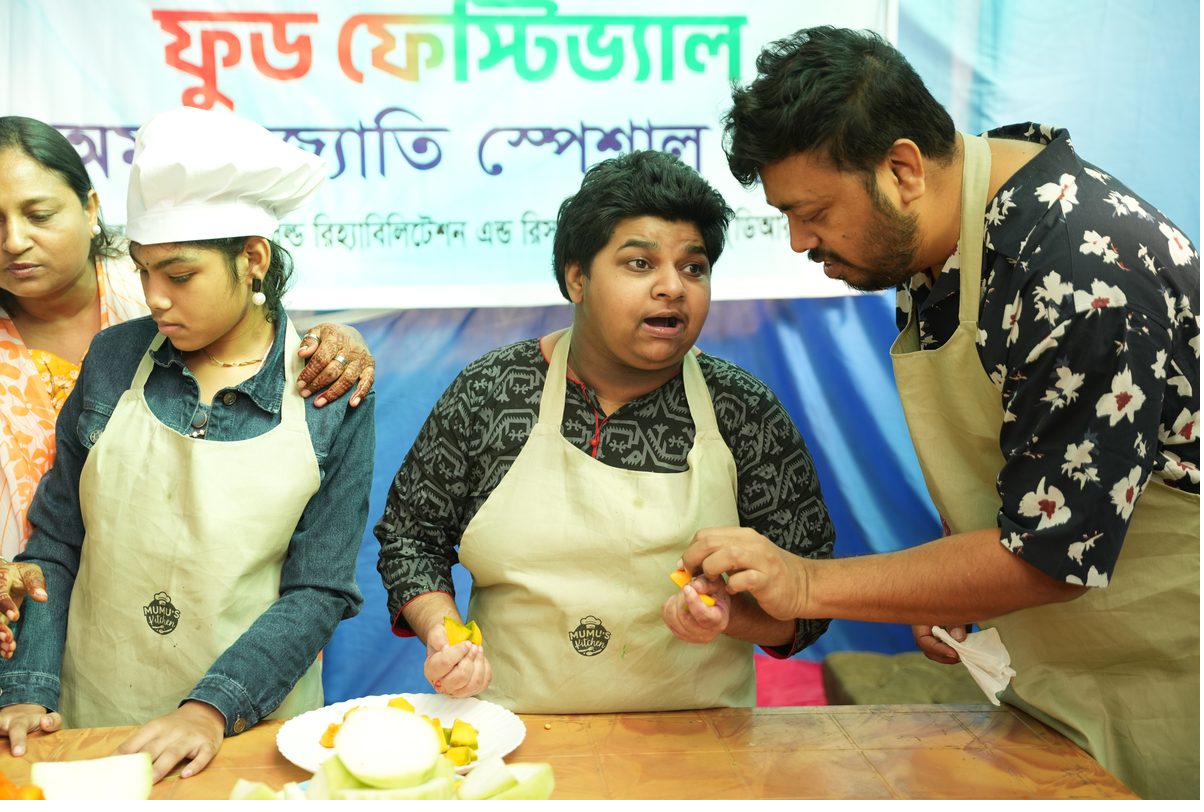
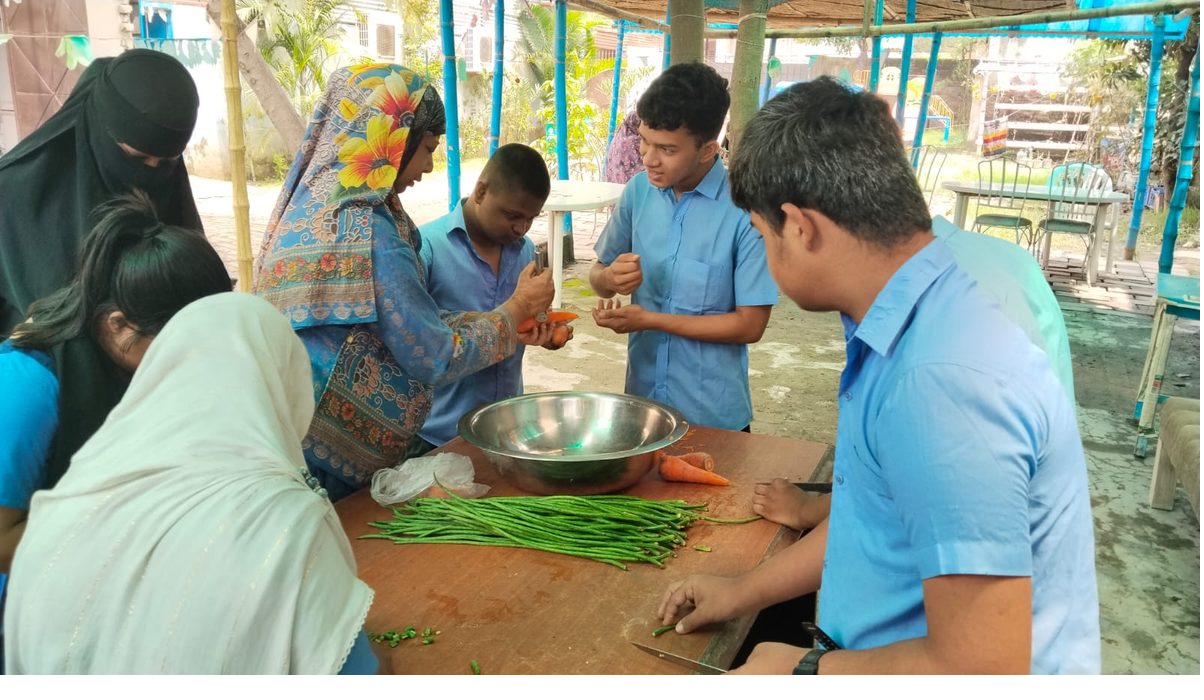
Beyond nutrition, DRRA uses food as an important tool for sensory stimulation and learning, and children and families are encouraged to take part in the sessions.
The programme also encourages children to practise eating and develop self-feeding skills, using demonstration videos (SOKKHOM) according to their individual abilities and needs.
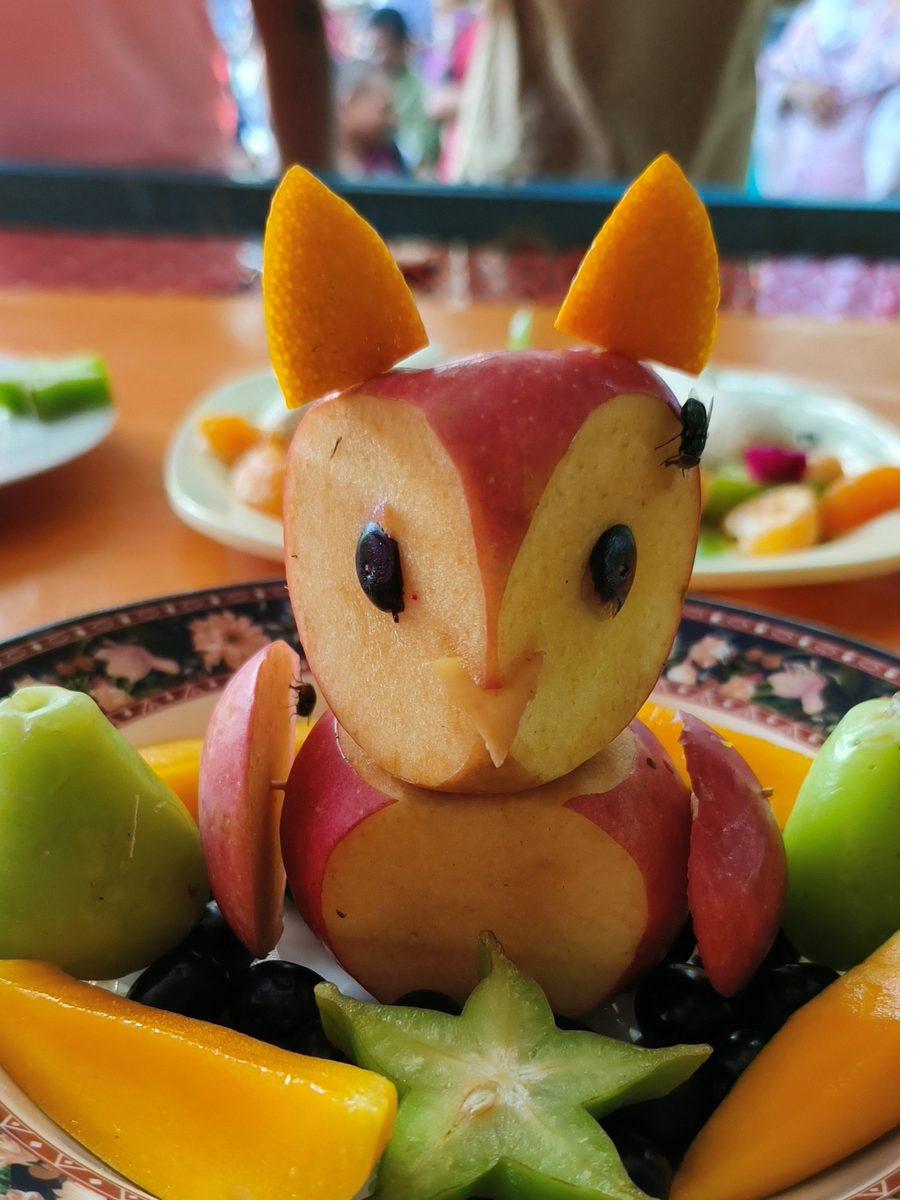
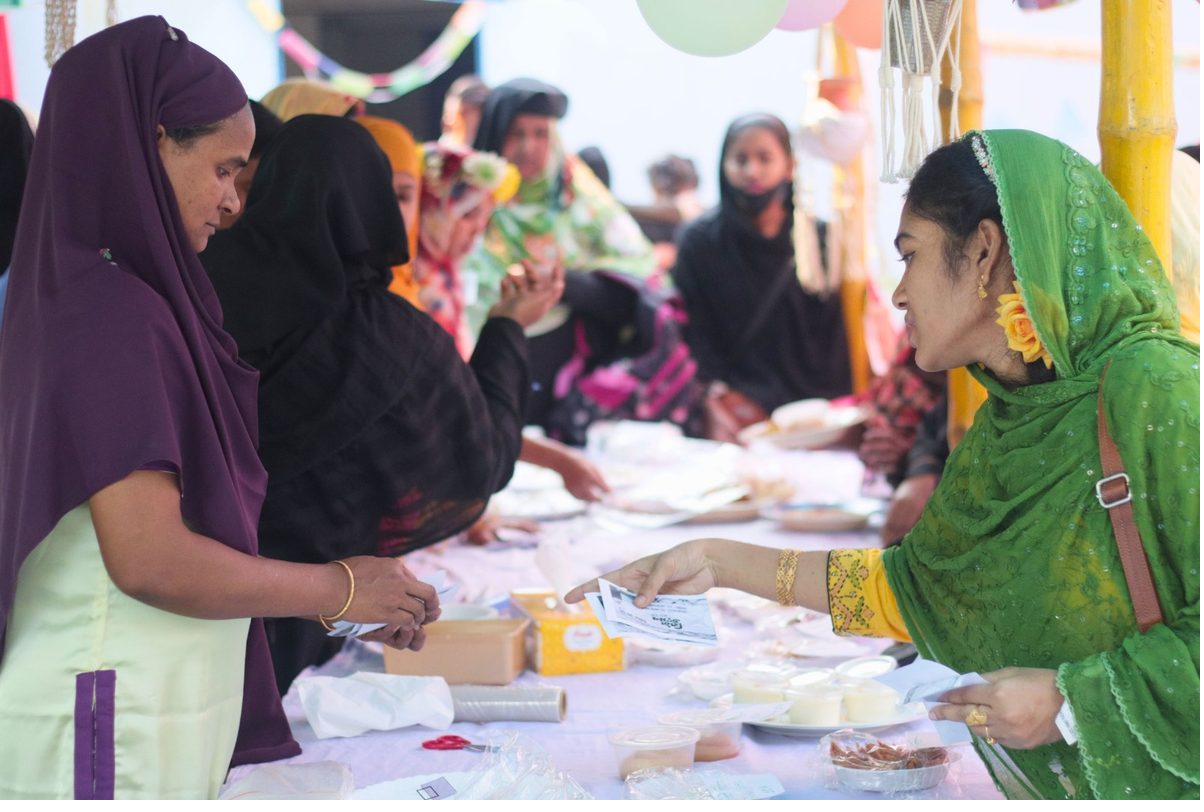
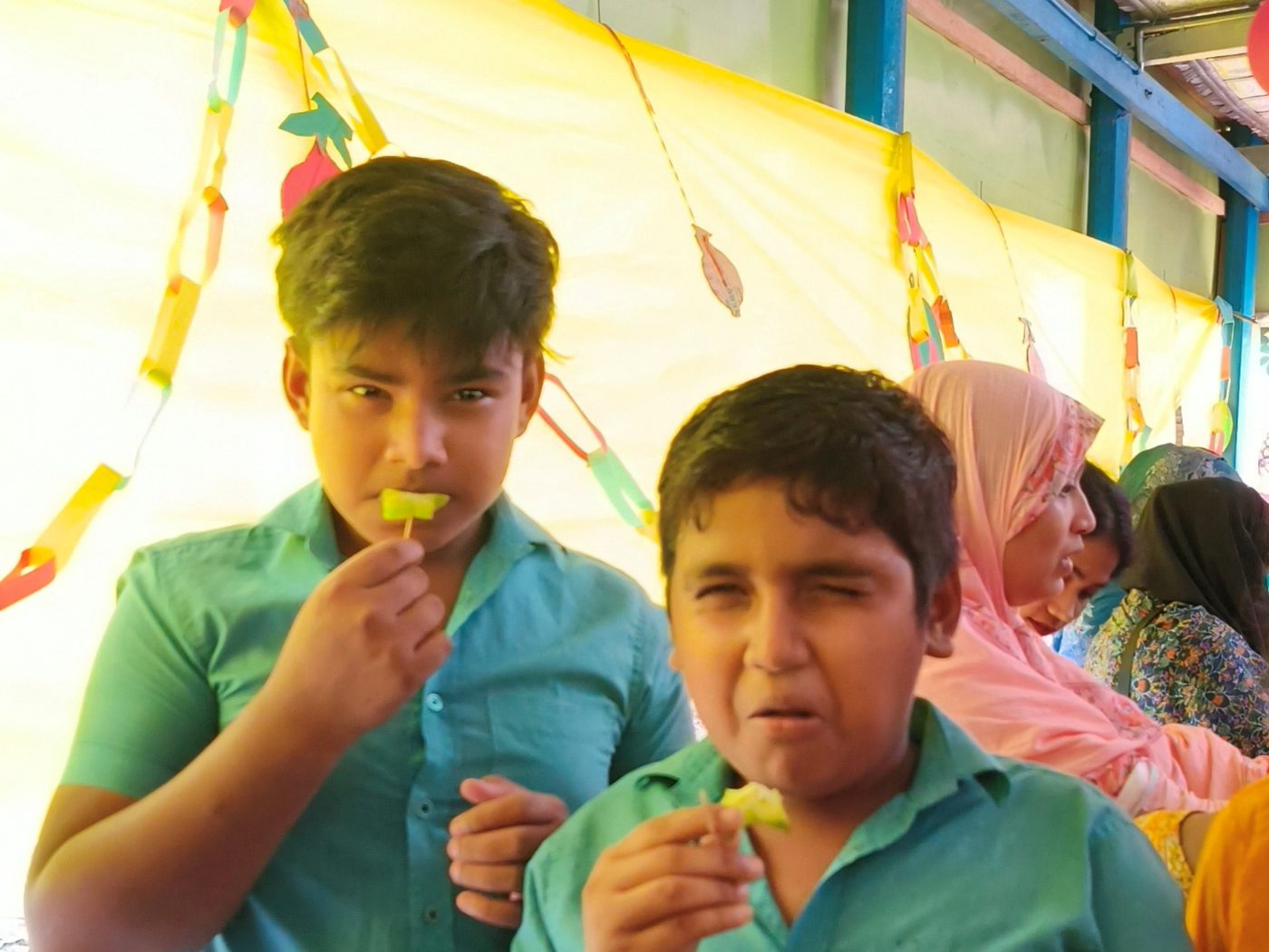
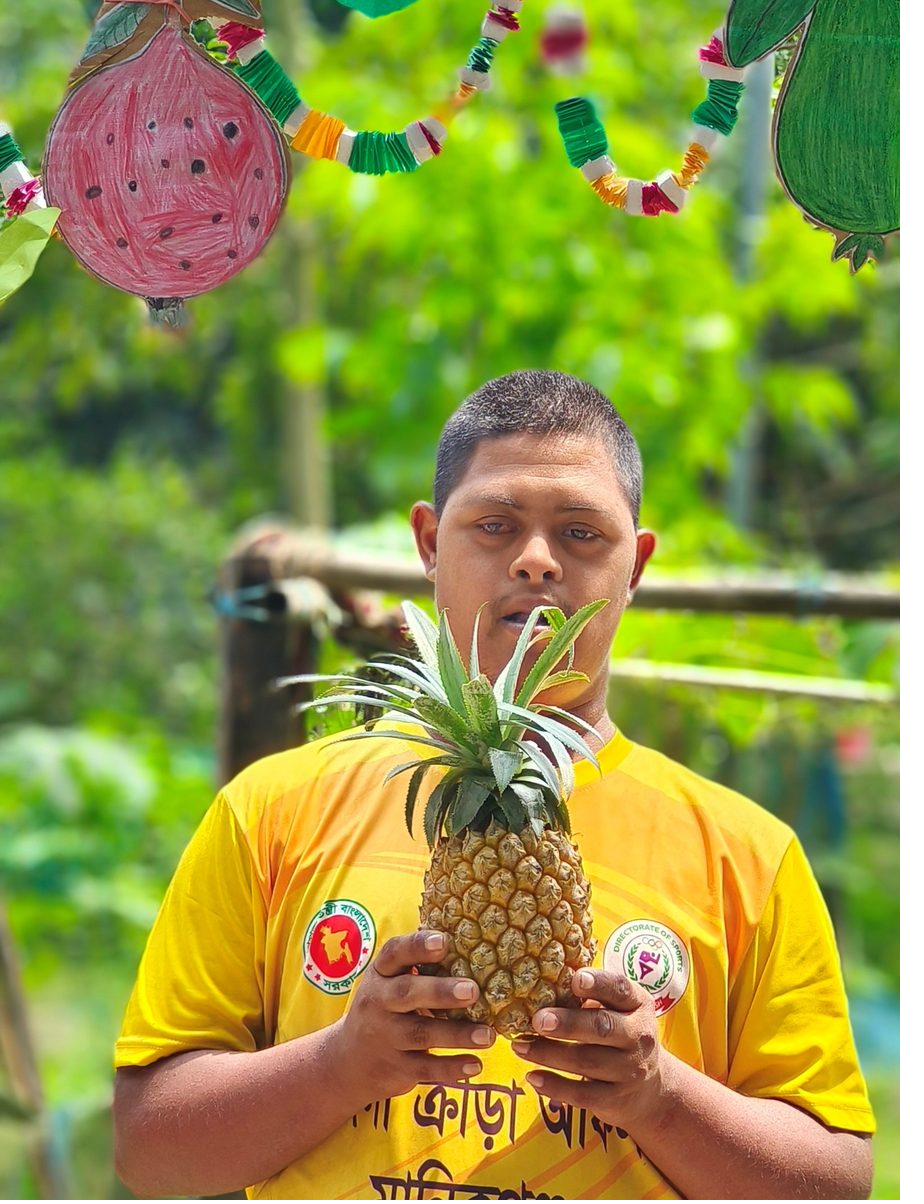
We organise food festivals because seasonal fruits and special menus are still a big celebration and festival for them. Throughout the year, DRRA organises seasonal fruit festivals and celebrations around different occasions, including traditional food (cake), seasonal celebrations and cultural events.
Parents and family members actively contribute to and participate in these celebrations by preparing and sharing traditional and locally available foods, supporting food-related activities and creating joyful experiences for children. Community participation further enriches these occasions, strengthening relationships, sharing local food traditions and promoting a sense of belonging and inclusion.
These celebrations give children opportunities to experience different foods, interact with family members and people from the community, communicate their preferences and take part in shared social activities.
DRRA provides food basket support to families of children with disabilities who face extreme economic hardship, particularly ultra-poor, internally displaced and jobless households. The programme helps these families maintain access to at least three meals a day, reduce food-related financial pressure and protect the nutritional well-being of their children and family members.
The programme also encourages families to participate in savings initiatives. Even small, regular savings can gradually create a financial safety net, helping households purchase food during emergencies, cope with temporary income loss and reduce dependence on emergency assistance. For families facing displacement, unemployment or extreme poverty, this combined approach provides two important forms of support: food security today and greater capacity to manage food crises tomorrow.
Through this initiative, DRRA aims to help families maintain regular meals, protect children’s nutrition, reduce household financial stress and build a pathway towards greater economic resilience and self-reliance.
DRRA’s Food Support Programme represents an important investment in the nutrition, learning, therapy, confidence and independence of children with disabilities.
Through the combined efforts of DRRA, parents, families and communities, the programme seeks to establish a more inclusive and supportive environment where food becomes a meaningful part of children’s everyday learning, development and happiness.
At DRRA, every meal is an opportunity to nourish, learn, explore, communicate, celebrate and grow.